Under the directions and guidance of Chief Minister Dr. Mohan Yadav, a new chapter of development is set to unfold in the areas of Balaghat district that have now been freed from Naxalism. With the elimination of Naxalism, the State Government is now placing special emphasis on connecting these areas with roads, electricity, drinking water, irrigation, education, healthcare, communication, tourism and employment opportunities, thereby bringing them into the mainstream of development.
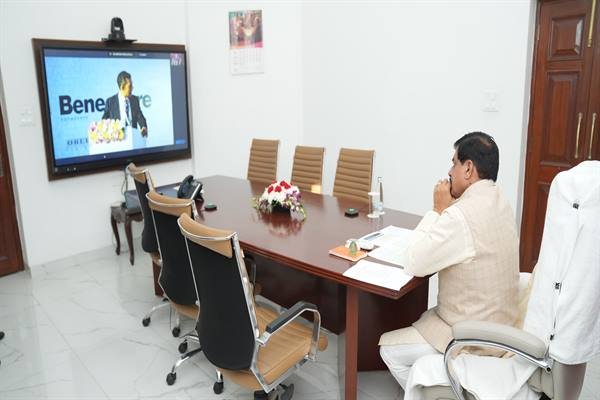
A comprehensive action plan worth ₹330 crore has been prepared for the overall development of 100 villages. Projects worth ₹266 crore under this plan have already been approved. Government initiatives for the comprehensive development of these areas are now beginning to translate into tangible results on the ground. As a result, moving beyond fear, new possibilities of trust and development are taking shape across the region. To highlight the transformation and development prospects in the formerly Naxal-affected areas, a joint media workshop was organised on Thursday by the Press Information Bureau (PIB), Bhopal, and the Balaghat district administration.
Addressing the workshop, Balaghat DIG Shri Vineet Jain informed that Naxalism had been eliminated from the district following 1,239 operations. Balaghat Collector Shri Aditya Singh gave a detailed presentation on the ₹330 crore action plan prepared for the comprehensive development of 100 villages. Superintendent of Police Shri Malay Jain, AIG, Hawk Force, Shri Ravi Dwivedi, Additional SP Shri Nitesh Bhargava and PIB Director Shri Manish Gautam were also present. While officials outlined the future development strategy for the formerly Naxal-affected areas, sarpanches and young residents of these villages appraised the administration of additional local requirements for accelerating regional development.
Naxalism remained a major challenge in Balaghat for nearly 35 years. By March 2026, the police and security forces had eliminated Naxalism from the district through 1,239 operations. The expansion of basic infrastructure in the affected villages is now being accorded priority. Over the past five years, 35 road projects and 43 bridges and culverts have been completed at a cost of ₹337 crore, improving connectivity to 250 villages. Communication facilities are also being expanded through approximately 90 mobile towers.
Under the Mission Aadi Seva, being implemented in these areas under the guidance of Chief Minister Dr. Yadav, initiatives are also being undertaken to strengthen the local economy while preserving tribal culture and traditions. Through Baiga Haats, homestays, cultural parks, art galleries and e-marketplaces, local products such as handicrafts, bamboo crafts, woodcraft, silk products and Gond paintings are being connected with wider markets. Arrangements are also being developed to monitor development works through GIS technology and maintain a village-wise database of residents migrating to other cities in search of employment.
During the media workshop, villagers and youth highlighted the improved peace and security in their villages following the elimination of Naxalism, along with better access to government schemes and services. They described these changes as a welcome transformation and an important indicator of the region's emerging development prospects.