Jalna Guardian Minister Reviews Water Scarcity and Fodder Availability in District Through Video Conference
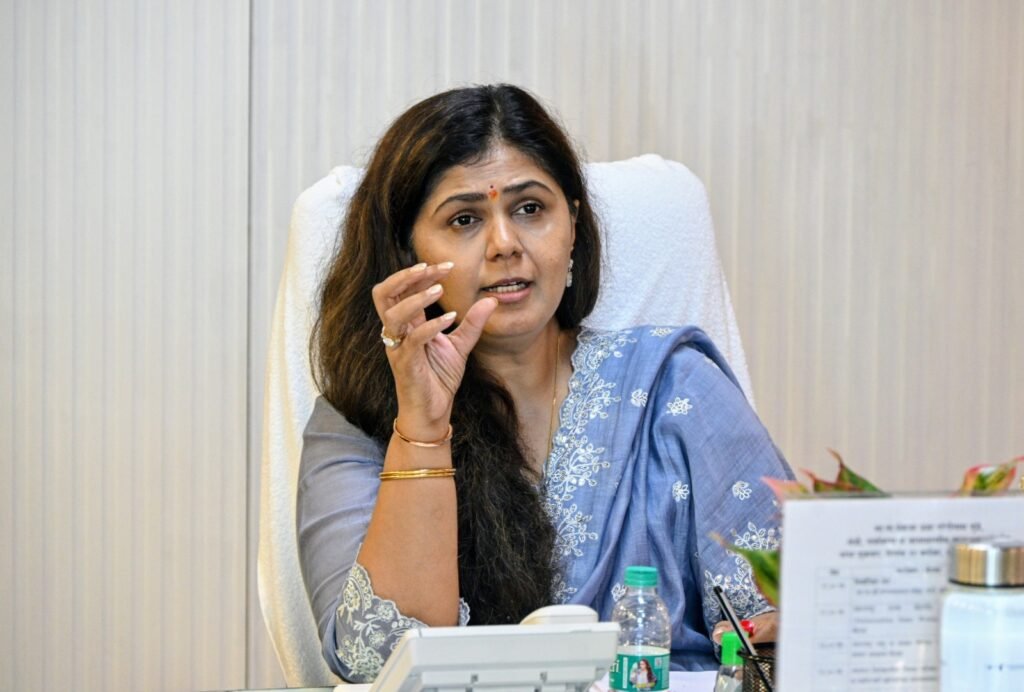
Mumbai, September 2026: An immediate audit of the current status of all water sources in Jalna district, available water storage and potential utilisation should be undertaken, followed by preparation of a water supply plan up to next August, said Jalna Guardian Minister and Minister for Environment and Animal Husbandry Pankaja Munde.
She directed officials to give the highest priority to ensuring the availability of drinking water for citizens, as well as water and fodder for livestock.
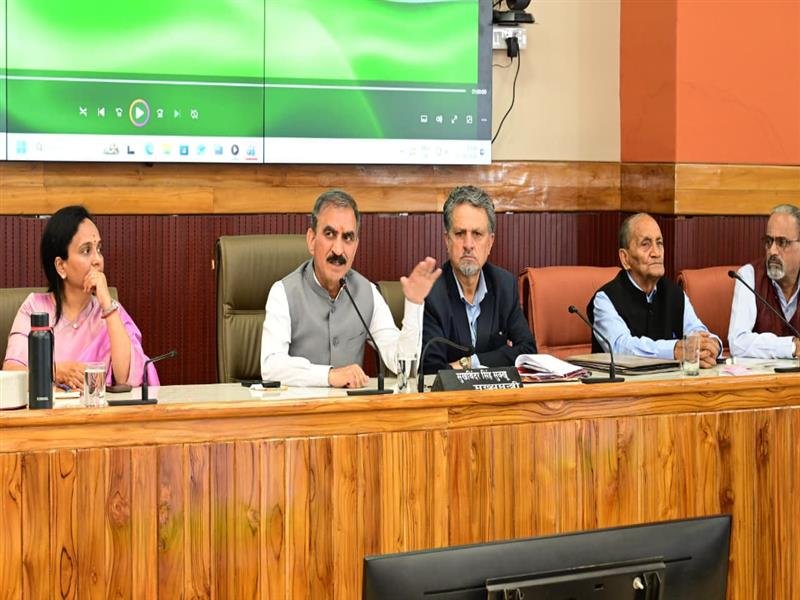
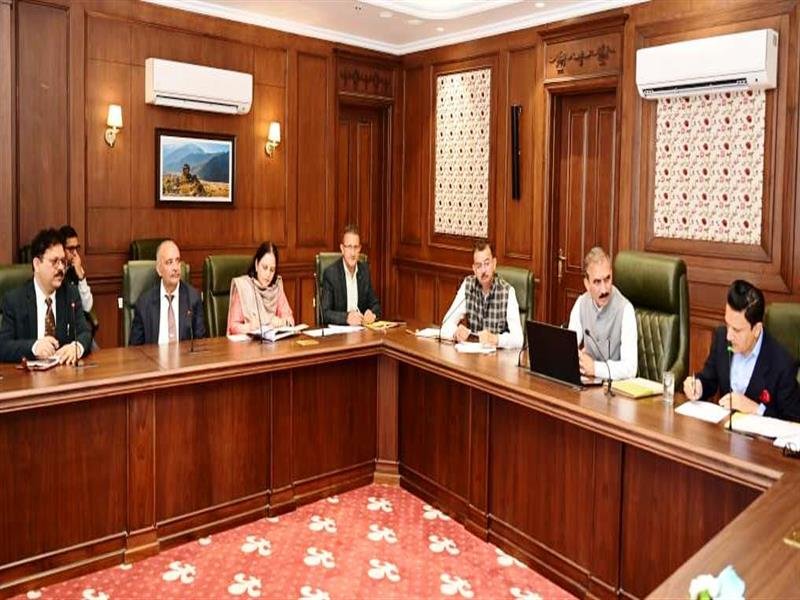
Munde reviewed the water scarcity situation and fodder availability in Jalna district through a video conference. Jalna District Collector Ashima Mittal, Zilla Parishad Chief Executive Officer Dr Krishna Kant Kanwaria, Additional District Collector Ramesh Misal, Resident Deputy Collector Shashikant Hadgal and other senior officials were present.
The Guardian Minister directed Collector Ashima Mittal to complete an audit of the water storage available in dams, lakes, wells, minor irrigation projects and other natural water sources in the district before the next review meeting.
She also sought an accurate assessment of the status of water supplied through lifting from the Jayakwadi Project and the period for which water would remain available to Ambad and Jalna cities.
Munde said that although the current water stock was likely to last until March, alternative arrangements should be planned in advance, keeping in mind the possibility that adequate water may not be available until the next monsoon.
She directed officials to identify drinking water sources for municipal corporations, Nagar Panchayats, large Gram Panchayats and remote and hilly villages well in advance. The water storage in these sources should be monitored regularly, with alternative sources kept ready wherever necessary.
To ensure judicious use of available water, officials were asked to review water-intensive activities, including agriculture, industries, large construction projects and other uses, and prepare proposals for necessary measures.
Munde also stressed the need to use technology to make tanker-based water supply transparent and effective. She directed officials to equip every water tanker with a GPS system to ensure that water actually reaches citizens in need.
Prepare Separate Action Plan for Fodder Availability
Munde directed officials to prepare a separate fodder action plan covering the livestock population in Jalna district, available fodder and the potential shortage.
The plan should identify the requirement for fodder depots or fodder camps, the district’s fodder self-sufficiency and sources from which additional fodder can be procured. She also directed officials to coordinate with collectors of neighbouring districts and assess the availability of fodder there.
Farmers in areas with adequate water availability should be encouraged to cultivate fodder crops, she said. The feasibility of using areas under silt cultivation for fodder production should also be examined and an appropriate proposal prepared.
If state-level decisions or additional funds are required for establishing fodder camps or implementing other measures, proposals should be submitted to the government immediately, Munde said.
A separate meeting focused on drinking water, livestock water and fodder will be held on October 28. Munde directed officials to keep detailed information ready for the meeting, including the audit of water sources, fodder planning, villages likely to face water scarcity and the measures required to address the situation.
District Collector Ashima Mittal said the process of auditing all water sources and identifying areas likely to face water scarcity would be completed on priority. Special attention would also be given to drinking water and fodder availability, while coordination would be maintained with neighbouring districts.
In view of the possibility of drought-like conditions, all concerned departments should undertake advance planning and implement necessary measures, Mittal said.
She directed officials to identify all water sources in the district and compile information on their availability and current status. She also instructed all concerned agencies to conduct crop-cutting experiments seriously and accurately, as farmers receive crop insurance benefits based on the results of these experiments.
Taluka-level officials were also directed to hold meetings on the water scarcity situation and undertake advance planning for the necessary measures.