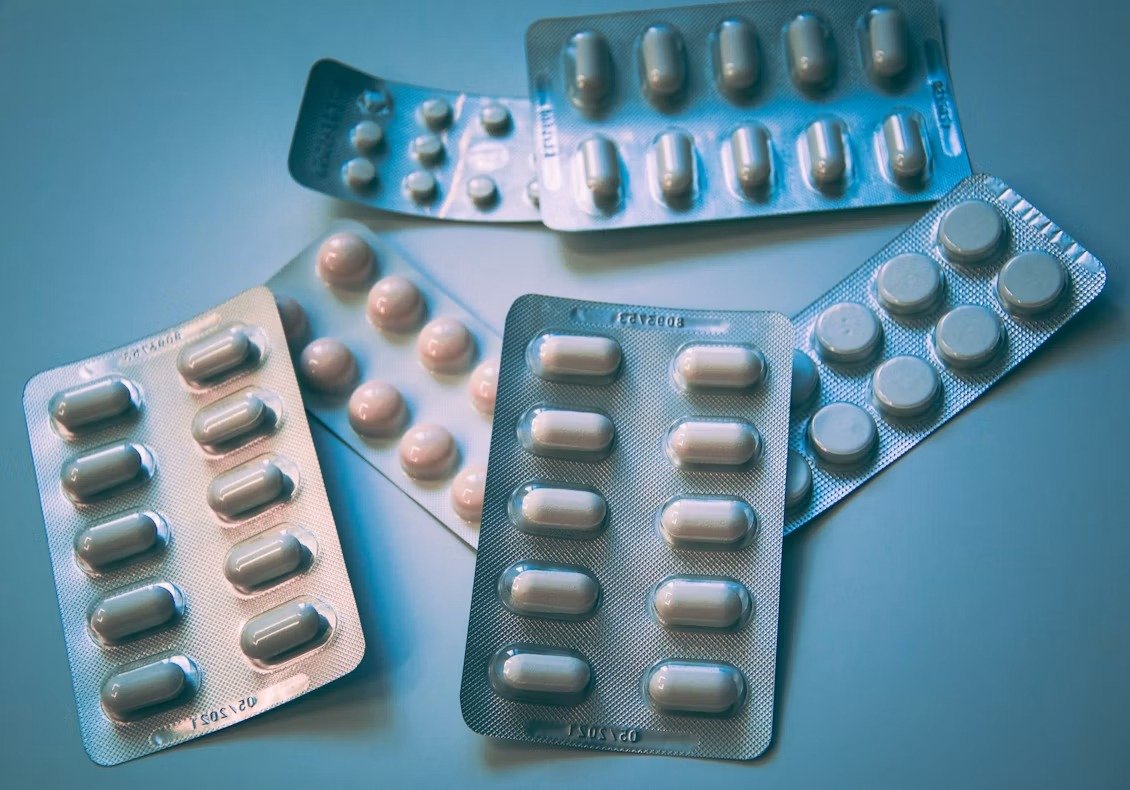
Shocking difference in prices emerge from inspection of hospital pharmacies: injection bought for ₹74.09, MRP labelled at ₹4,980.94
After UPFSDA inspected 214 hospital pharmacies, huge gap found between purchase and selling prices of medicines
Of 130 medicines, MRP of 36 more than 10 times the purchase price; in some cases the gap is up to 67 times
Many injectable medicines used in ICU and serious infections also show a big gap between purchase rate and MRP
Polymyxin-B, Colistin, Tigecycline, Terlipressin and Caspofungin among many medicines on the list
Lucknow, October 2026 : A big gap has emerged between the purchase rate of medicines available in hospitals and the maximum retail price (MRP) printed on the pack. In the larger interest of providing safe drugs, the Uttar Pradesh Food Safety and Drug Administration (UPFSDA) is inspecting pharmacies of medical colleges and private hospitals. During the inspection, a comparative study of the purchase rate and MRP of medicines available in these pharmacies was also conducted. Of the data collected from 214 hospital pharmacies across the state, 130 medicines were analyzed, of which 36 have an MRP that is far more than 10 times the pharmacy's purchase price. In some medicines, this gap was recorded at about 67 times. Notably, these include many injectable medicines used in serious infections, ICU and other complex medical conditions.
Polymyxin-B: Purchased for ₹74.09, MRP on pack ₹4,980.94
In the study, the pharmacy purchase rate of Polymyxin-B Injection (GUFIPOL 500,000 Unit), used in serious bacterial infections, was recorded at only ₹74.09, while the MRP on the pack was ₹4,980.94. That is, the MRP was about 67 times the purchase price. For GUFIPOL 5 Lac of the same medicine, the purchase price was recorded at ₹90 and the MRP at ₹4,528.10. In this case, the MRP was found to be about 50 times the purchase rate. Thus, even among different brands/packs of the same medicine, a notable gap between purchase price and MRP was seen.
Terlipressin: Purchased at ₹56, MRP ₹3,050
The purchase price of Terlipressin Injection (Terlitech 10 ml), used in certain medical conditions related to serious liver disease, was recorded in the study at ₹56, while its MRP was ₹3,050. Thus, the MRP was about 54 times the purchase price. For another brand of the same medicine, TERONIM 10 ML, the purchase price was recorded at ₹56 and the MRP at ₹2,600. Here, a gap of about 46 times was found between purchase price and MRP.
About 46 times gap in Colistin and Tigecycline
Powerful antibiotics used in treating drug-resistant serious infections are also included in the study. The purchase price of Colistimethate Sodium 4.5 MIU was recorded at ₹210, while its MRP was ₹9,702.31. That is, the MRP was about 46 times the purchase price. Similarly, for Tigecycline Injection 50 mg, the purchase price of ₹154.54 compared with an MRP of ₹7,110.47. Here too, a gap of about 46 times emerged between MRP and purchase rate. These figures found in the inspection are significant because these are not medicines in the category of ordinary OTC drugs, but medicines used in hospitals to treat serious and complex infections.
Gap of 5.31 to 9.98 times across different brands of Meropenem
The study also compared data across different brands of the same medicine. For various brands of Meropenem 1 gm, used in treating serious bacterial infections, the ratio of purchase price to MRP was not uniform. Across its different brands, the MRP was recorded at about 5.31 times to 9.98 times the pharmacy's purchase price. That is, even in a medicine of the same strength, the gap between purchase rate and MRP changes as the brand changes.
Caspofungin: Purchased for ₹800, MRP ₹21,230
A big gap was also recorded across different brands of Caspofungin 70 mg, used in treating serious fungal infections. One brand's purchase price was ₹800, while its MRP was recorded at ₹21,230. That is, the MRP was about 26.5 times the purchase price. For another brand of the same medicine, the purchase price was ₹897.75 and the MRP was recorded at ₹19,892. In this case, the MRP was about 22 times the purchase price. These figures show that even across different brands of a medicine of the same strength, the ratio of purchase rate to MRP is not uniform.
Gap of more than ₹62 thousand in cancer medicine
In expensive cancer and life-saving medicines, although the ratio of purchase price to MRP is lower compared to some other injections, the gap in rupees per unit was recorded as quite large. For example, the purchase price of Bevacizumab 400 mg was ₹7,541.10, while its MRP was recorded at ₹69,995. That is, a gap of ₹62,453.90 emerged between purchase price and MRP. The purchase price of Inonza 1 mg is ₹2,07,504, while the MRP is ₹3,02,610. Meanwhile, the purchase price of Simulect 200mg inj is ₹72,700.95 and the MRP is ₹95,420. In addition, the purchase price of Keytruda 100 mg inj is ₹1,81,860 and the MRP is ₹2,16,500.
Big price gap in medical devices too
The inspection was not limited to medicines. Data on the purchase price and MRP of medical devices used in hospitals was also examined. The purchase price of one 3-way stop cock was recorded at ₹6.40, while its MRP was ₹163. Thus, the MRP was about 25 times the purchase price. Another medical device had a purchase price of ₹20.95, while its MRP was recorded at ₹500. Here too, a gap of about 24 times emerged between purchase price and MRP.
The math of high margins behind high MRP
The wide gap between purchase rate and MRP in the data collected from hospital pharmacies also raises questions about the pricing and trade margin model of medicines. The departmental analysis is also looking into why the MRP on the pack is recorded as many times higher even though medicines are supplied to hospitals at very low rates. There is a suspicion that, to maintain room for higher trade margins and discounts, the MRP is in some cases kept much higher than the actual purchase rate. In such a situation, a hospital can show the patient a big discount on the MRP, while its actual purchase price is far lower than that. In this arrangement, there is ample room for margin for both the manufacturer and the hospital, but how much of the real benefit reaches the patient is the key question.