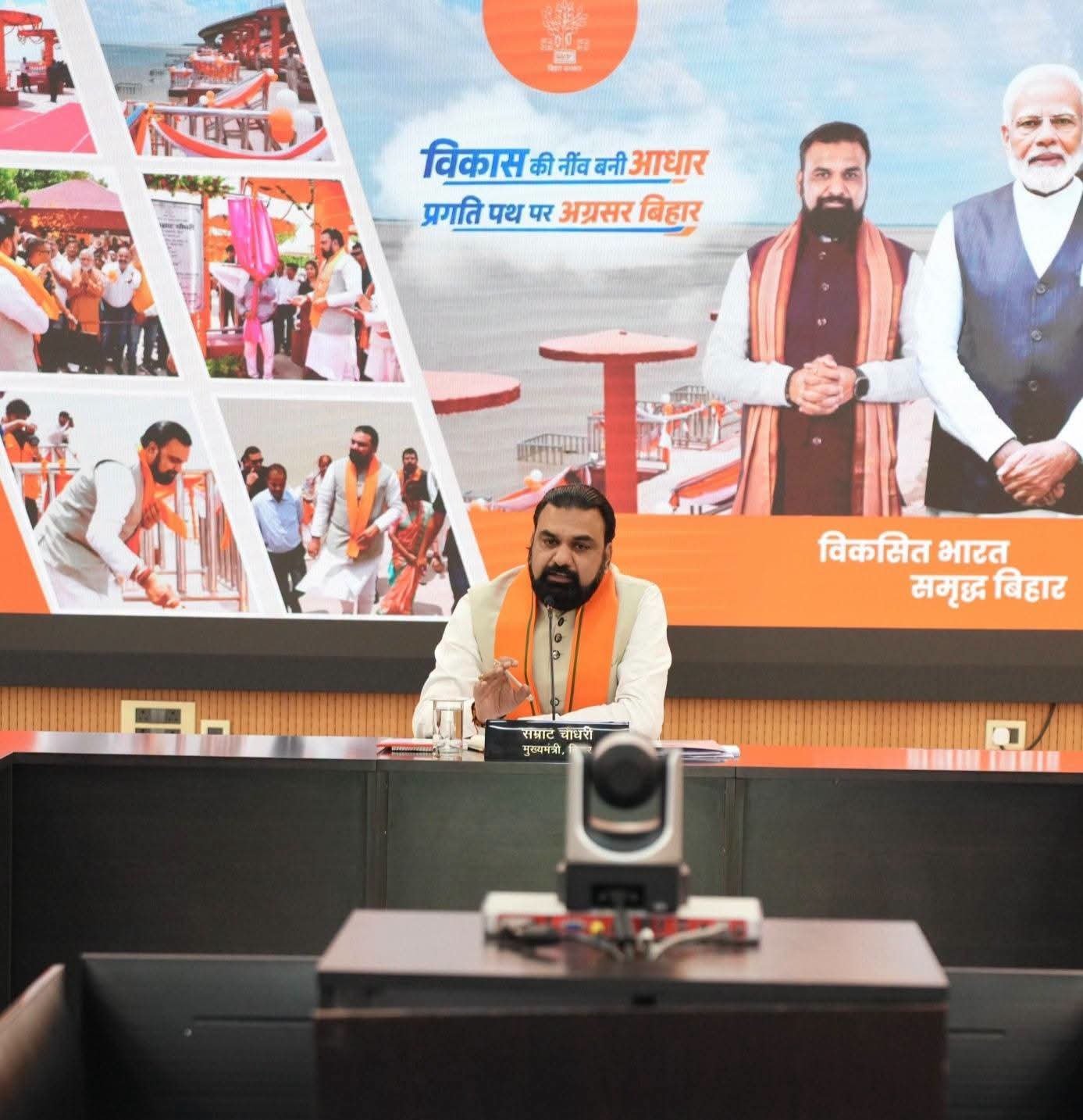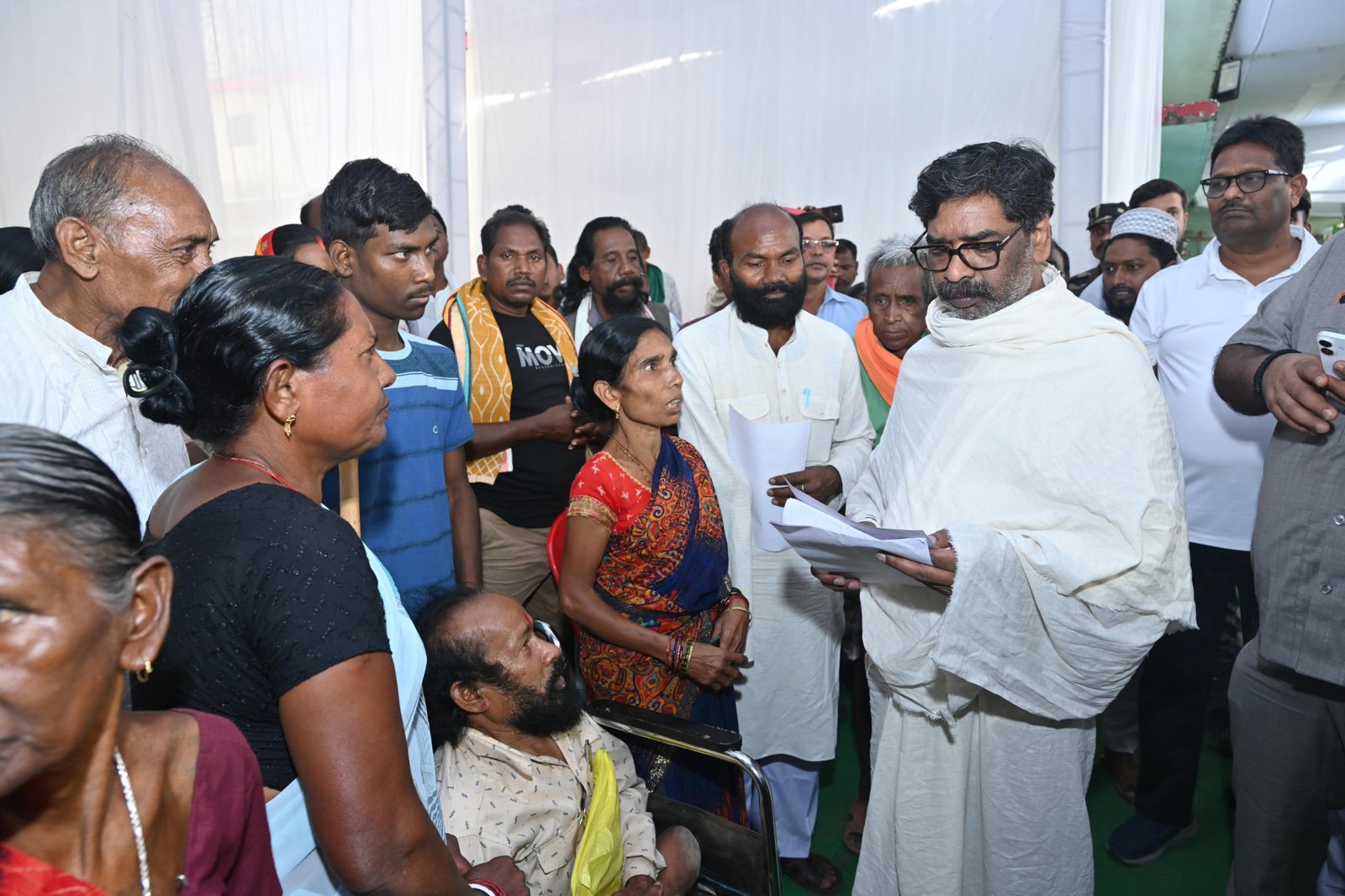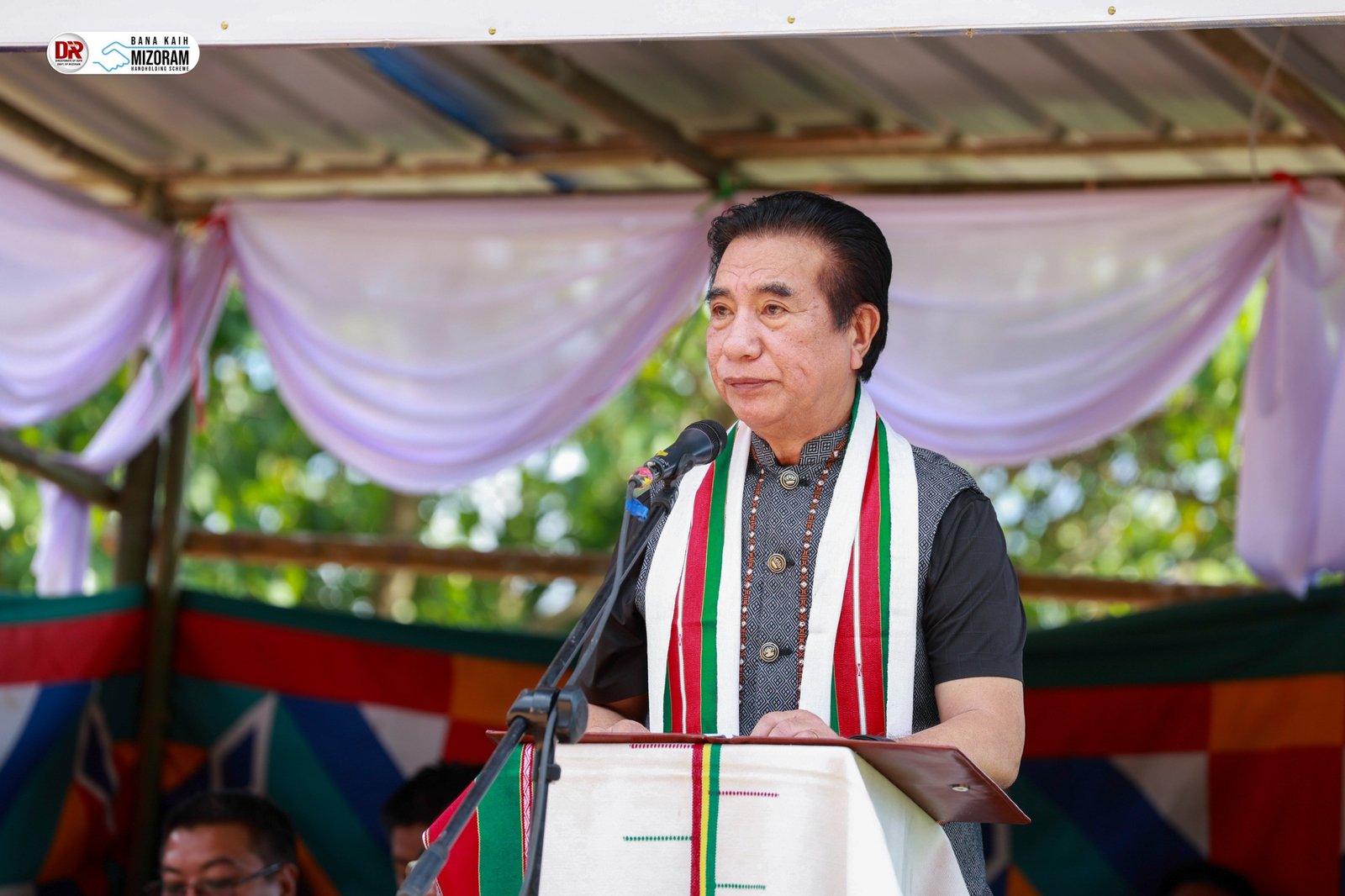
Ngaizawl, October 2026: Mizoram Chief Minister Lalduhoma on Friday joined the Khawdo Kut celebrations organised by the people of Ngaizawl village as the chief guest. Local MLA and Adviser to the Chief Minister, Engineer H. Ginzalala, attended as the guest of honour. Khawzawl Deputy Commissioner K. Vanlalthiana, Superintendent of Police Amit Kaushik and other district officials were also present.
Khawdo Kut, also known as Khuado Pawi, is regarded as one of the most important traditional festivals of the Paite community, a Mizo ethnic group. Historians believe the festival has been celebrated since around 1400 AD.
Addressing the gathering, Lalduhoma said the people of Tualpui considered Ngaizawl their own village and regarded its residents as members of their extended family. He praised the village’s scenic landscape, including its hills, valleys and natural surroundings, and expressed happiness at being welcomed warmly by the community.
The Chief Minister said the traditional festivals and cultural values of the different Mizo communities were an important part of Mizo identity and should be preserved and promoted.
Chief Minister Highlights Development Initiatives
Describing Khawdo Kut as a festival of thanksgiving, Lalduhoma highlighted several development projects and initiatives benefiting Ngaizawl.
Under Part I of the Special Assistance to States for Capital Investment (SASCI) programme for 2026–27, ₹5.36 crore has been allocated for construction of the road connecting Ngaizawl and Tualpui.
A major eco-tourism water-harvesting pond is also being developed near Ngaizawl to collect rainwater and stream water. An additional ₹3.76 crore has been allocated for continuing the project.
The 13.340-km Khawzawl–Ngaizawl road was completed under the Pradhan Mantri Gram Sadak Yojana-II (PMGSY-II) on April 1, 2024. Under the prescribed arrangements, the contractor will maintain the road until March 31, 2029. The more severely damaged stretches were repaired earlier this year.
The Ngaizawl Water Supply Scheme, featuring solar-powered pumping facilities and implemented under NABARD’s Rural Infrastructure Development Fund (RIDF)-XXVIII, was completed in March 2025 at a cost of ₹5.26 crore.
Support for Self-Help Groups and Rural Employment
The Chief Minister said Ngaizawl has 11 self-help groups (SHGs), all of which have received start-up assistance and revolving funds. Two livestock-feed processing machines have also been installed to help the groups make productive use of the support.
During the 2025–26 financial year, the village received ₹49,85,702 in wage payments under the rural employment programme. The material component amounted to ₹47,75,500, taking total expenditure to ₹97,61,202.
Lalduhoma also praised MLA H. Ginzalala for his development initiatives, noting that the engineer had prepared ambitious plans for the region. He expressed hope that the proposed projects would be implemented successfully.
The Chief Minister said the state government had initially introduced minimum support prices for five agricultural crops and recently extended the scheme to four more, taking the total to nine crops. He urged farmers in Ngaizawl to take advantage of the scheme and other government programmes to strengthen their livelihoods.
Call to Preserve Mizo Heritage
Concluding his address, Lalduhoma said Khawdo Kut should remind people of the importance of their land, culture and community. He urged residents to preserve their traditions while working towards development and ensuring that future generations could continue celebrating the festival with pride and happiness.
He encouraged the people to follow a clear vision and a constructive path towards progress, and extended his best wishes to the village.
The celebrations were held at the Ngaizawl playground. Vice-President of the Village Council A. Thangsuanpau presided over the programme, while Khaikhatpiang conducted the ceremonial proceedings. Guest of honour H. Ginzalala and Village Council President Robert Khamkhanpau also addressed the gathering.
History of Ngaizawl Village
Ngaizawl was established in 1927 by Paite families who migrated from Burma and settled within the territory of the Tualpui chief, with the permission of the then chief, Thanherhna. The settlement later came under the administration of Khenchhuma, the younger son of Chief Thanherha.
During the period of conflict in the region, the residents were brought together in Khawzawl. However, they continued cultivating fields around Ngaizawl under jhum cultivation permits. According to the account shared in the report, the village has maintained its continuity since its establishment in 1927.
Ngaizawl currently has around 205 households and a population of approximately 1,200 people.