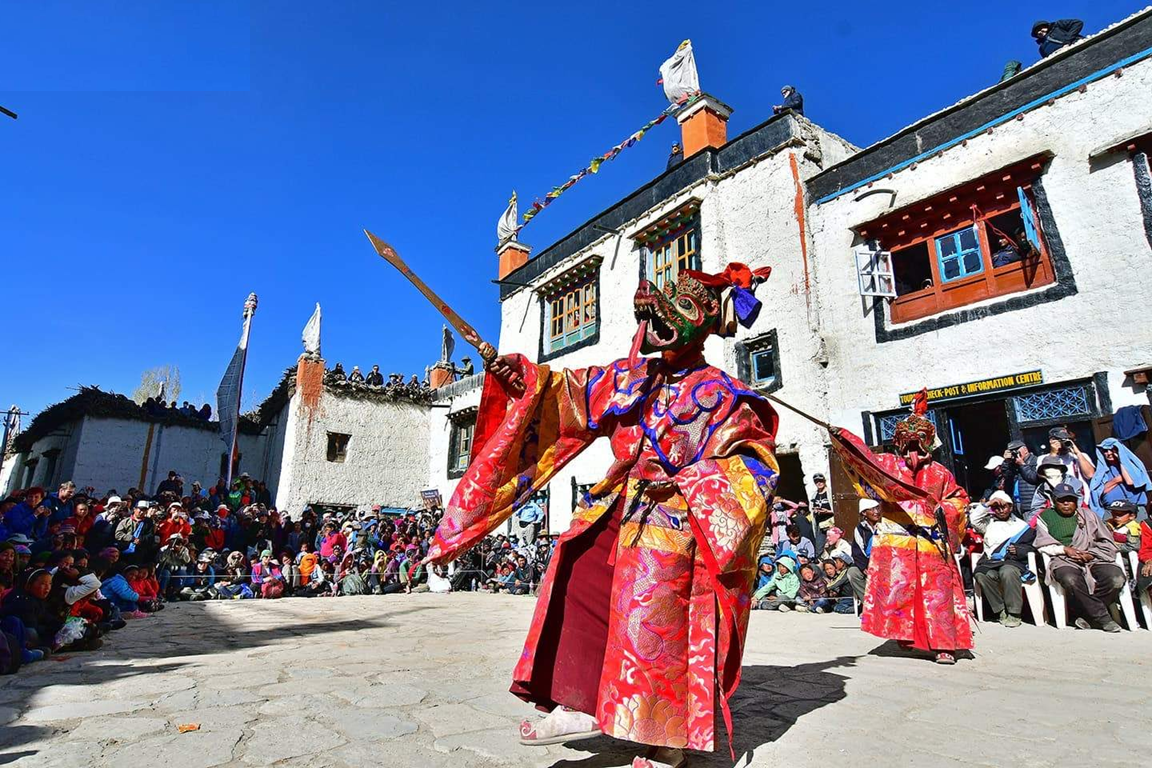
Hyderabad, Aug 2026 :Nepal is often introduced through one spectacular image — the snow-covered Himalayas rising above the clouds. But the country is far more than a destination for mountaineers and trekkers. From ancient temple squares and medieval cities to serene lakes, wildlife reserves, sacred pilgrimage centres and remote mountain trails, Nepal offers an extraordinary variety of experiences within a relatively compact landscape.
For first-time visitors, the country can feel like several destinations rolled into one. Kathmandu opens the door to Nepal's spiritual and architectural heritage, while the historic cities of Patan and Bhaktapur take travellers deep into the world of Newari art and culture. Pokhara offers Himalayan tranquillity, while Sagarmatha National Park provides an opportunity to experience the world's highest mountain region.
Elsewhere, the ancient streets of Kirtipur, the trekking trails of Helambu, the natural beauty of Dharan, the wildlife of Chitwan and the religious significance of Janakpur reveal another side of Nepal.
If you are planning a Nepal holiday, these ten destinations provide an excellent introduction to the country's diverse attractions.
Kathmandu: Where Nepal's Story Begins
For most travellers, Kathmandu is the natural starting point. The capital is a fascinating combination of ancient architecture, bustling streets, religious shrines and historic royal courtyards.
The city's spiritual character is impossible to miss. Pashupatinath Temple is among its most important religious landmarks and attracts devotees and visitors throughout the year. A walk through Durbar Square offers another glimpse into Kathmandu's architectural heritage, with its historic buildings, courtyards and museums.
The square is also associated with Kumari Chok, home to the living goddess Kumari, an important part of Kathmandu's religious traditions.
Yet Kathmandu is not only about history and spirituality. Adventure seekers can also find plenty to do, including activities such as bungee jumping.
The capital is best experienced slowly — walking through its historic quarters, observing daily life and discovering the contrast between its ancient traditions and modern urban character.
Patan: A Journey into Newari Grandeur
Just outside Kathmandu lies Patan, also known as Lalitpur, a city where architecture and spirituality come together beautifully.
Patan carries an unmistakably regal atmosphere. Its temples, courtyards, monasteries and traditional architecture transport visitors into another era.
One of its highlights is the Golden Temple, richly decorated with gold, silver and bronze ornamentation. The five-storey Kumbeshwar Temple is another impressive landmark, while Rudravarna Mahavihar, one of Nepal's oldest monasteries, offers an opportunity to understand the region's Buddhist heritage.
Patan is particularly rewarding for travellers interested in architecture, religion, history and traditional craftsmanship.
Bhaktapur: A Living Heritage City
If Patan showcases Nepal's architectural sophistication, Bhaktapur offers perhaps an even more immersive experience of traditional Newari culture.
The historic city is known for its art, festivals, handicrafts and distinctive indigenous lifestyle. Walking through its streets feels like stepping into another century, with traditional buildings and workshops providing a window into a culture that continues to thrive.
Food is an essential part of the Bhaktapur experience. Visitors should sample JuJu Dhau, the city's famous creamy yoghurt, and explore traditional Newari cuisine.
The city is also an excellent destination for souvenir shopping. Pottery, puppets, handicrafts and locally produced artistic items make Bhaktapur a rewarding stop for travellers looking to take home something distinctly Nepali.
Pokhara: Where the Himalayas Meet the Lake
For travellers seeking peace and natural beauty, Pokhara is difficult to beat.
Surrounded by the Himalayas and centred around a pristine lake, Pokhara has a relaxed atmosphere that contrasts sharply with the energy of Kathmandu. The city is also one of Nepal's most popular bases for trekking.
The Annapurna region offers numerous trekking opportunities, making Pokhara a favourite among adventure travellers.
For those interested in the history and culture of Himalayan exploration, the International Mountain Museum provides insights into mountaineering and the communities that inhabit the Himalayan region.
September to November and May are traditionally considered favourable periods for visiting, when weather conditions can be pleasant for sightseeing and outdoor activities.
Kirtipur: Nepal's Ancient Soul
Away from the better-known tourist centres, Kirtipur offers an opportunity to experience a quieter and deeply historic side of Nepal.
One of the country's ancient cities, Kirtipur has played an important role in Nepal's history and is home to several temples and Buddhist monuments.
The Kirti Bihar Buddhist monastery, built in a traditional Thai architectural style, is among the attractions worth exploring. The 16th-century Bhag Bhairav Temple is another significant landmark.
Visitors can also discover Chilancho Stupa, one of the area's historic Buddhist attractions.
Kirtipur is ideal for travellers who want to move beyond the conventional tourist circuit and explore Nepal's historical depth at a slower pace.
Sagarmatha National Park: Into the Everest Region
For many visitors, Sagarmatha National Park represents the ultimate Himalayan experience.
The protected region is famed for its spectacular mountain landscapes, high-altitude ecosystems and extraordinary biodiversity. Travellers may encounter unique Himalayan flora and, with luck, elusive wildlife such as the snow leopard.
But reaching the park is itself an adventure. Depending on the starting point, travellers may need to trek for at least two days before entering deeper into the region.
The recommended periods for visiting are generally March to May and September to November.
Sagarmatha is not simply a destination to tick off a travel list. It is an experience of dramatic landscapes, demanding trails and the extraordinary environment surrounding Mount Everest.
Helambu: A Trek Through Changing Landscapes
For travellers interested in trekking but looking for an alternative to some of Nepal's more demanding routes, Helambu offers a fascinating combination of mountain scenery and cultural diversity.
The region is known for its changing topography and traditional communities. Trekking through Helambu allows visitors to experience Nepal away from its major urban centres and connect with its mountain landscapes and local culture.
Depending on the route and starting point, a Helambu trek can take approximately five to six days.
The temperatures can fall considerably, particularly at higher elevations, so travellers should pack suitable warm clothing and thermal layers.
Dharan: Scenic Beauty at the Foothills
Located at the foothills of the Mahabharat range, Dharan offers another perspective on Nepal.
The city is known for its natural beauty and temples and remains less crowded than some of the country's better-known tourist destinations. Its surroundings retain a sense of tranquillity that appeals to travellers looking for a more relaxed experience.
A visit to Dharan should include some of its important temples and religious sites. Travellers can also explore the surrounding landscape and enjoy the quieter rhythm of life.
Raja Rani Lake is another attractive option, particularly for visitors looking for a peaceful picnic spot.
Chitwan National Park: Nepal's Wild Side
Nepal's appeal extends far beyond its mountains, and Chitwan National Park demonstrates just how diverse the country's natural landscape can be.
Once associated with royal hunting expeditions, the area is now a protected wildlife reserve and a UNESCO World Heritage Site.
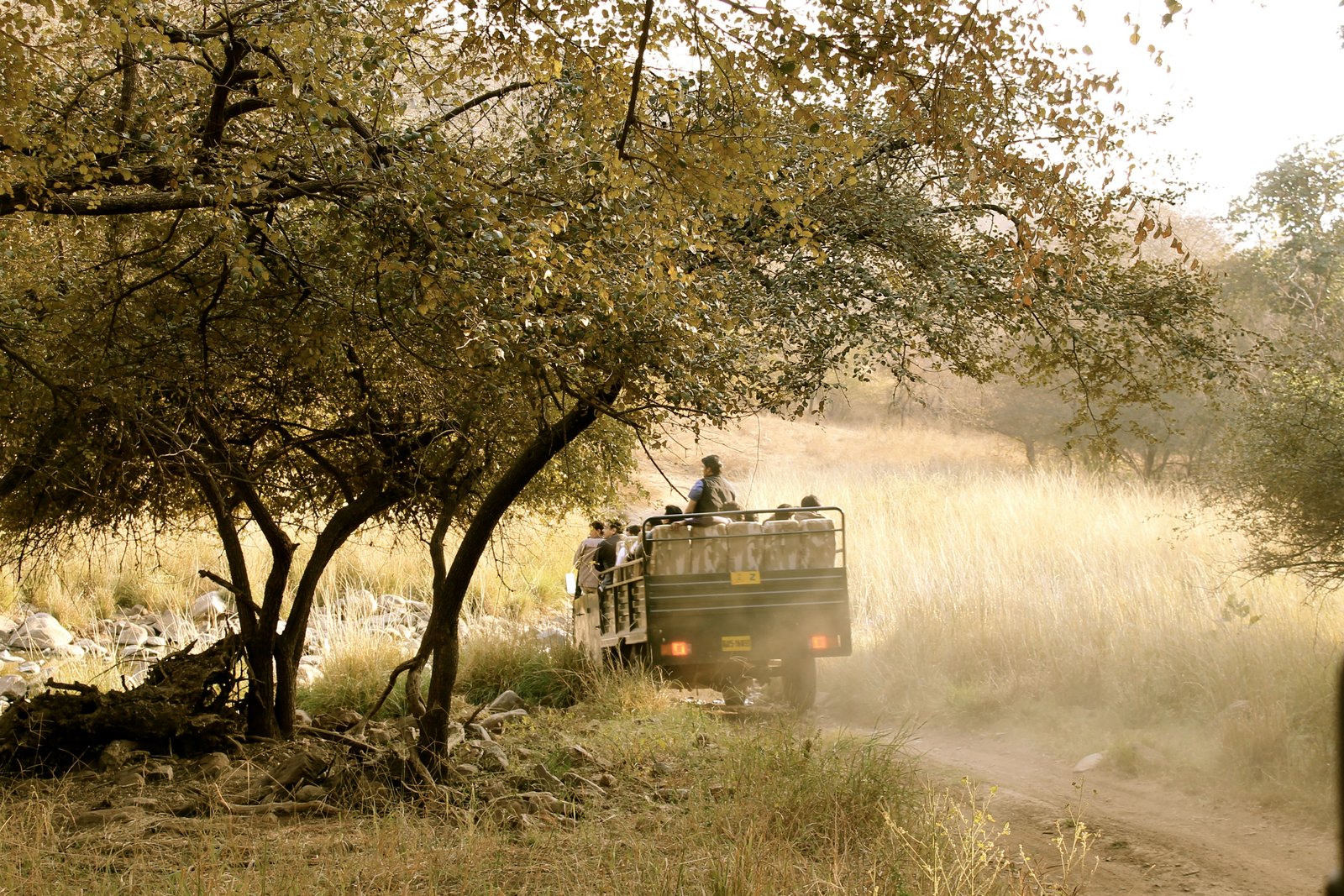
A safari through the park offers opportunities to observe Nepal's wildlife in its natural habitat. Among the most famous inhabitants are the one-horned rhinoceros and the Bengal tiger.
For travellers unable to include Sagarmatha in their itinerary, Chitwan provides a completely different but equally memorable experience of Nepal's natural heritage.
Visitors can also explore elephant-related conservation and breeding facilities in the surrounding area.
Janakpur: Following the Trail of Mithila Culture
In southern Nepal, Janakpur offers a journey into the country's religious and cultural traditions.
Widely associated with Sita, Janakpur is an important pilgrimage destination and home to the historic Janaki Temple. The city provides travellers with an opportunity to explore the roots of Maithili culture and traditions.
Janakpur is also known as the city of ponds, with numerous water bodies scattered throughout the urban landscape.
Among the important sites are Dhanush Sagar and Ganga Sagar, sacred ponds that add another dimension to the city's spiritual character.
For visitors looking for an overnight excursion away from Nepal's principal tourist centres, Janakpur offers a culturally rich alternative.
A Country That Rewards the Curious Traveller
What makes Nepal special is not simply the presence of the Himalayas. It is the remarkable diversity packed into its landscapes and communities.
One journey can begin among the temples and historic courtyards of Kathmandu, move through the artistic traditions of Patan and Bhaktapur, continue to the lakes and mountains of Pokhara and eventually reach the wilderness of Chitwan.
For adventure seekers, Sagarmatha and Helambu offer trekking experiences. For history lovers, Kirtipur provides ancient stories carved into temples and monuments. For spiritual travellers, Kathmandu and Janakpur offer some of Nepal's most significant religious experiences. And for those simply looking to slow down, destinations such as Dharan and Pokhara provide space to breathe.
When Should You Visit Nepal?
For travellers looking for pleasant weather and good sightseeing conditions, March to May and October to November are generally regarded as favourable periods.
However, the ideal travel season depends on what you want to do. Trekking destinations may have different seasonal advantages from cultural and urban destinations, so travellers should plan according to their itinerary and altitude.
Do Indians Need a Visa for Nepal?
Indian citizens generally do not require a visa to enter Nepal. Travellers should carry valid government-issued identification and check the latest entry requirements before departure.
How Many Days Are Enough?
A five- to seven-day trip can provide a good introduction to Nepal's major attractions, particularly if the itinerary focuses on Kathmandu, Bhaktapur, Patan and Pokhara.
Travellers who want to combine trekking, wildlife and cultural experiences should consider a longer holiday. Adding destinations such as Chitwan, Janakpur, Helambu or Sagarmatha requires additional travel time.
The Final Word
Nepal is a destination that rewards curiosity. Its greatest attraction is not confined to a single temple, mountain or national park but lies in the extraordinary variety of experiences found across the country.
Come for the Himalayas, stay for the culture, explore the temples, walk through ancient cities, meet local communities, taste traditional food and venture into the wilderness. Whether you are an adventurer, a history enthusiast, a spiritual traveller or simply someone searching for a peaceful escape, Nepal has a journey waiting for you.
Nepal is not merely a place to visit — it is a country to experience, one landscape, tradition and story at a time.