Israeli Prime Minister Benjamin Netanyahu has called for stronger international alliances, including with India and Latin American countries, warning that a future US president could adopt a hostile approach towards Israel. His security doctrine presentation has drawn sharp criticism from election rival Gadi Eisenkot, who accused him of using political slogans instead of offering a substantive national security strategy.
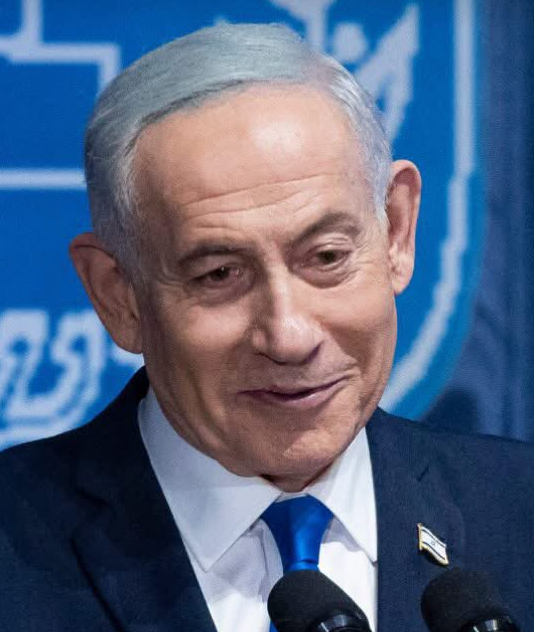
Jerusalem, October 2026 : Israeli Prime Minister Benjamin Netanyahu has called for Israel to strengthen its strategic partnerships with countries including India and nations in Latin America, warning that a future US administration could be hostile towards the country and that Israel must prepare for potential changes in Washington’s political direction.
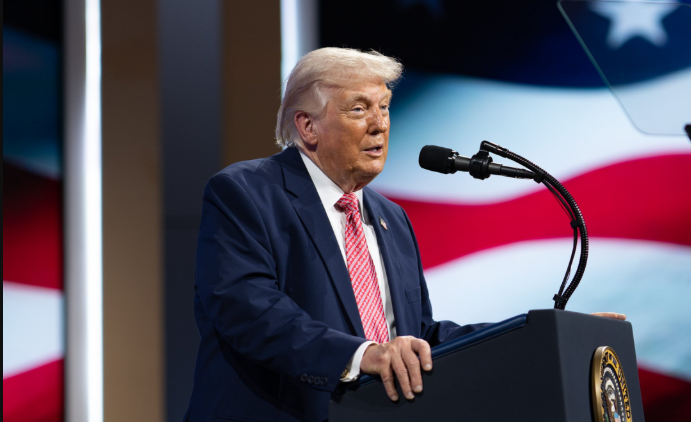
Netanyahu outlined his security doctrine nine days before Israel’s October 27 election. His remarks came hours before US President Donald Trump publicly endorsed his re-election bid, placing Israel’s long-term security partnerships and international relationships at the centre of the political debate.
“In two years, a President, man or woman, could come to power who is very hostile to Israel,” Netanyahu said, raising concerns about the possibility of a shift in American policy.
He argued that Israel should make full use of the remaining years of Trump’s presidency to consolidate its position in Washington while preparing for changing political circumstances in the United States.
“First, we must do everything we can during these two years, and during the following two years, in the American arena, through good times and bad,” he said.
Netanyahu also stressed the need to diversify Israel’s international relationships rather than depend heavily on a single ally.
“The second thing is to create other alliances. That is what I am working on now with many countries in our region and outside it. India is not a small country, and there are many others,” he said.
He pointed to political developments in Latin America as another potential opportunity for Israel to expand its diplomatic outreach. Referring to Brazil, Netanyahu suggested that a major political change could take place there in the coming days.
“There is a major shift in Latin America, and there could be an enormous change in Brazil in just a few days,” he said.
Netanyahu argued that Israel should build partnerships with countries across different regions and strengthen its strategic capabilities, making it a valuable partner for other nations.
India’s Growing Strategic Significance
India occupies an important place in Netanyahu’s diplomatic outlook, with his relationship with Prime Minister Narendra Modi frequently cited as an example of the close ties between the two countries.
Netanyahu has previously described India’s relationship with Israel as distinctive. In May this year, amid international criticism of Israel over the prolonged war and concerns about its diplomatic standing, he highlighted the relationship and referred to public support for Israel in India.
His latest comments underscore his intention to expand Israel’s network of strategic partners beyond Washington. The remarks also come amid growing political divisions in the United States over Israel, raising questions about whether bipartisan support for the country can be sustained in the future.
Relations between Netanyahu and Democratic presidents Barack Obama and Joe Biden were frequently strained. Analysts have argued that Netanyahu’s confrontations with Democratic administrations became part of his political messaging, allowing him to portray himself to supporters as a leader willing to defend Israeli interests even when disagreements arose with American presidents.
The approach has remained a recurring feature of his political career. Netanyahu, Israel’s longest-serving prime minister, has often placed security and his ability to manage relations with global powers at the centre of his leadership pitch.
Eisenkot Questions Netanyahu’s Security Doctrine
Netanyahu’s presentation, however, drew a sharp response from Gadi Eisenkot, his principal challenger in the upcoming election and a former chief of staff of the Israel Defence Forces.
Eisenkot described the announcement as a political exercise rather than a comprehensive national security strategy. He criticised Netanyahu for presenting the doctrine so close to polling day, arguing that the government had not adequately addressed the country’s continuing security challenges.
“Nine days before the election and three years after the gravest failure and disaster in Israel’s history, with every war front still open, Netanyahu decided to present his ‘security doctrine’ to the public,” Eisenkot said.
He alleged that the presentation lacked substantive policy proposals and relied instead on slogans.
“Two hollow pages, full of slogans that have nothing whatsoever to do with a security doctrine, reveal more than anything the strategic vacuum Netanyahu has left the State of Israel in and his disregard for the security of Israeli citizens,” he said.
Eisenkot further accused the prime minister of attempting to influence voters through fear and political messaging rather than presenting detailed solutions to Israel’s security concerns.
“This is Netanyahu’s method: manipulating perceptions, frightening people and trying to divert attention from the parade of lies and racism surrounding his campaign tonight,” he said.
The dispute highlights the competing approaches to national security emerging ahead of the October 27 election. While Netanyahu has emphasised maintaining ties with Washington and broadening Israel’s international alliances, Eisenkot has questioned the substance of the prime minister’s strategy.
The election campaign is therefore increasingly focused not only on Israel’s immediate security challenges but also on the future of its diplomatic partnerships, its relationship with the United States and the leadership required to navigate an uncertain international environment.
(Disclaimer :The content of this article is sourced from a news agency and has not been edited by the Mavericknews30 team.)