Propulsion milestone clears a key stage for further testing, integration and flight development of the high-speed unmanned platform
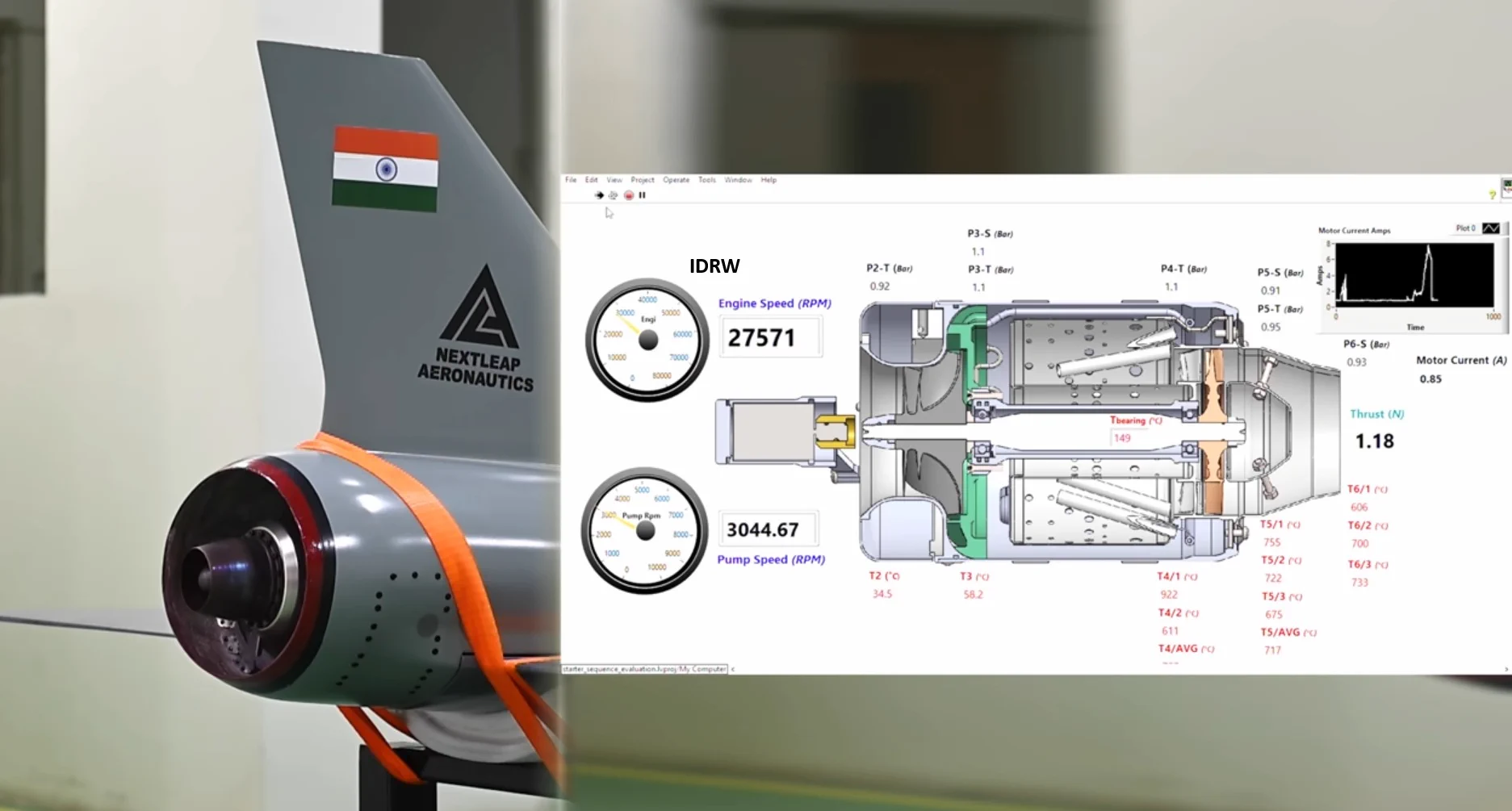
New Delhi, Oct 2026: Indian aerospace company NextLeap Aeronautics has successfully completed a static test of the indigenous jet engine being developed for its Stryker unmanned aerial strike platform, marking a significant milestone in the development of the high-speed UAV.
The company announced the achievement through its LinkedIn platform, describing the test as an important step in validating a critical element of the aircraft's propulsion system. The results are expected to support further testing, subsystem integration and subsequent flight-development activities.
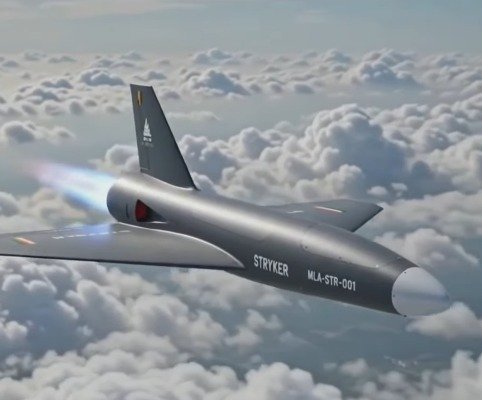
According to information shared by the company, Stryker is being developed as a high-speed, jet-powered strike UAV aimed at strengthening India's indigenous unmanned combat-aircraft capabilities. Both the aircraft and its propulsion system are being developed domestically.
NextLeap Aeronautics is responsible for the design and development of the Stryker platform, while its jet engine has been developed and tested in collaboration with Bengaluru-based Dheya Engineering Technologies.
The static engine test is an important stage in the development of an aircraft propulsion system. It allows engineers to collect performance data and assess factors such as engine behaviour, reliability and integration parameters before the propulsion system progresses to more advanced phases of testing.
The partnership between NextLeap Aeronautics and Dheya Engineering Technologies is focused on advancing indigenous turbojet-powered UAV technology for military applications. The collaboration combines NextLeap's expertise in unmanned aerial platforms with Dheya's capabilities in gas-turbine propulsion and engineering.
The Stryker programme is part of a broader expansion of India's domestic aerospace sector, where private companies are increasingly developing locally designed and manufactured unmanned systems and associated technologies.
The development of indigenous propulsion is particularly significant for advanced UAV programmes, as engines represent a critical component of high-speed aircraft and can influence performance, endurance and overall system integration.
With the successful completion of the static test, the Stryker programme can now progress towards additional engine and aircraft testing, subsystem integration and eventual flight trials.
The milestone also reflects the growing participation of India's private aerospace industry in the development of advanced defence technologies. Such initiatives are contributing to the expansion of domestic capabilities in UAV design, propulsion, systems integration and aerospace engineering while supporting India's broader efforts to strengthen self-reliance in the sector.
(Disclaimer :The content of this article is sourced from a news agency and has not been edited by the Mavericknews30 team.)