Mills producing not just sugar but also ethanol from sugarcane juice, maize and broken rice
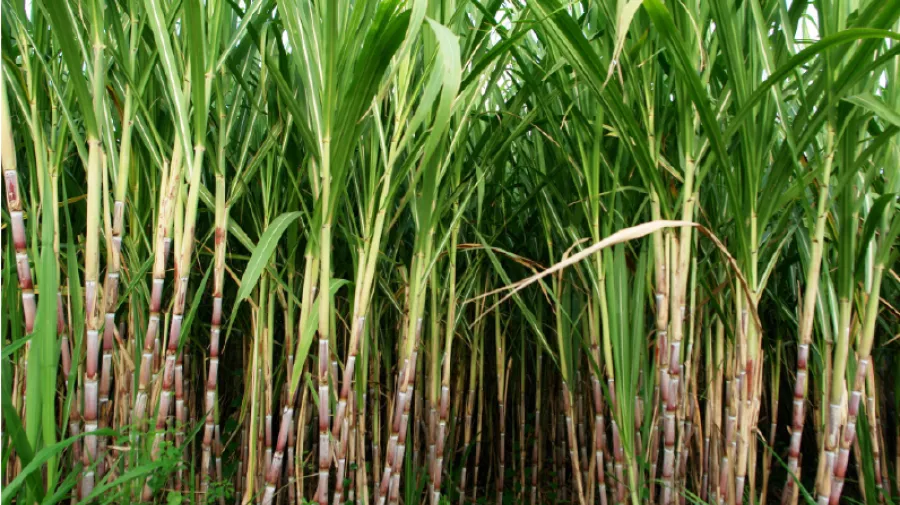
Saharanpur, Nov 2026 : Once known for sugar production, western Uttar Pradesh is now establishing itself as a major center for ethanol production. The sugarcane belt comprising Saharanpur, Shamli, Muzaffarnagar, Baghpat, Meerut and Bijnor is steadily emerging as the country's new capital of green fuel. The Central Government's ethanol blending policy and the Yogi government's initiative to link sugar mills with ethanol production have transformed the entire region. The mills here now produce not just sugar but also ethanol from sugarcane juice, molasses, maize, and broken rice, supplying it to depots across the country for blending with petrol.
The biggest example of this transformation is the Unn sugar mill in Shamli. A distillery plant with a capacity of 300 KL has commenced operations here and is considered the largest ethanol plant in western Uttar Pradesh. Ethanol produced at this plant is being supplied to Panipat, Meerut and Mathura. The plant at Unn sugar mill was completed over 3 years, and ethanol production from maize and rice began here in May. The District Excise Officer has also confirmed that this is the largest plant in western UP.
The sugarcane belt of western UP has several sugar mills, including Shamli, Unn and Thanabhawan in Shamli district; Titawi, Mansurpur, Khatauli, Bhainsana, Rohana, Morna, Khaikheri and Tikola in Muzaffarnagar district; Ramala, Baghpat and Malakpur in Baghpat district; and Shakumbhari, Sarsawa, Nanauta, Deoband, Ganganuli, Gagalheri and Shermau in Saharanpur district. Several of these mills now have their own distilleries. Muzaffarnagar district has 3 distillery plants, including those at Mansurpur and Khatauli, of which two are operational. The distillery plant of Thanabhawan sugar mill is located in Gagalheri in Saharanpur district.
This transformation has not happened without reason. Earlier, mills were dependent on sugar prices. When sugar production increased, prices fell; mills incurred losses, and payments to farmers were delayed. Ethanol has broken this cycle. Mills can now directly convert sugarcane juice into ethanol.
This keeps sugar production under control, provides mills with cash payments, and ensures timely payment to farmers for their sugarcane. This is why Uttar Pradesh is now the country's leading ethanol producer.
The state has 53 distilleries producing ethanol, with an annual installed capacity of 158.44 crore liters. In the financial year 2016-17, UP produced 42.70 crore liters of ethanol, which increased to 99.31 crore liters in 2020-21.
The target for blending ethanol with petrol has also increased compared to earlier. It was previously 10 percent, which the Central Government has increased to 20 percent. This has directly benefited farmers in western UP, where sugarcane, maize, and paddy are all cultivated.
The Yogi Cabinet has approved establishing an ethanol plant at the sugar mill in Chhata, Mathura, which had remained closed for 19 years. Ethanol will be produced here from sugarcane, maize and paddy, and the plant will operate for 11 months a year. The project will involve an investment of approximately ₹200 crore and produce 3.96 crore liters of ethanol annually.
Bijnor has also joined this group. CNG and green fuels such as ethanol are being produced here from sugarcane press mud, Napier grass and cow dung. According to a recent survey, 24 percent of the country's potential CNG production can be generated in western Uttar Pradesh, with Bijnor district being the most important contributor. The district has ten sugar mills, and there is no shortage of raw materials.
Western Uttar Pradesh is no longer just the sugarcane bowl of the country; it has also become a center of ethanol and green energy. The mills, farmers, and employment opportunities in the region are now connected through a common link.
Sugarcane comes from the fields, ethanol is produced in the mills, and the same ethanol is blended with petrol used by vehicles across the country, reducing pollution and dependence on foreign oil.