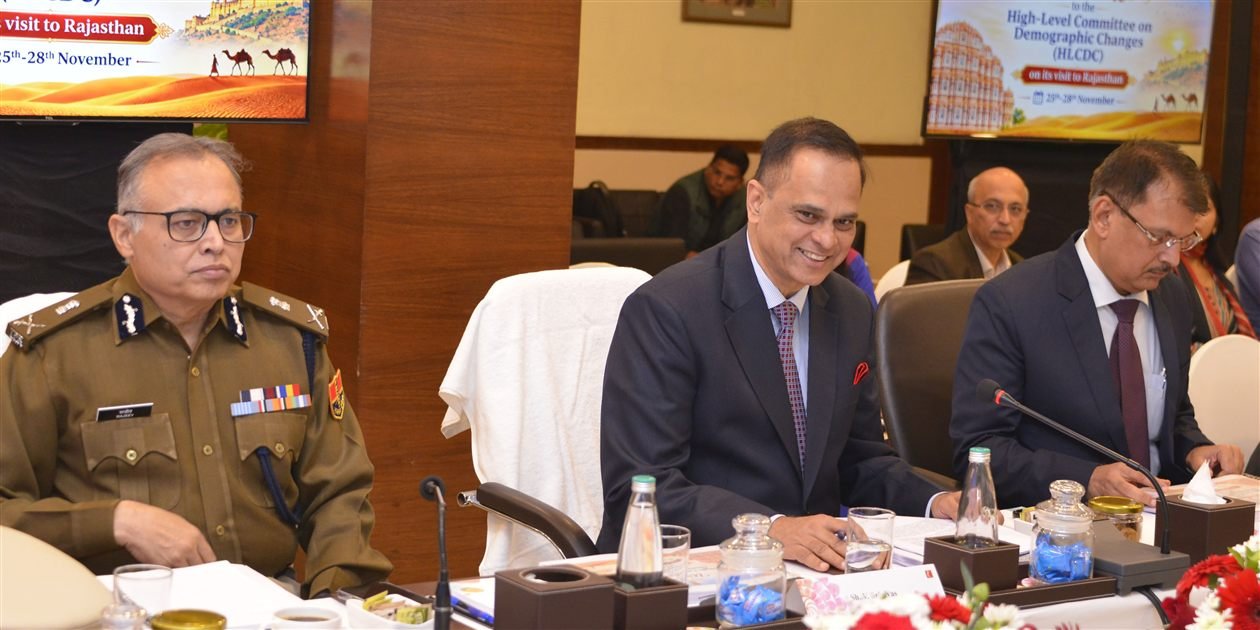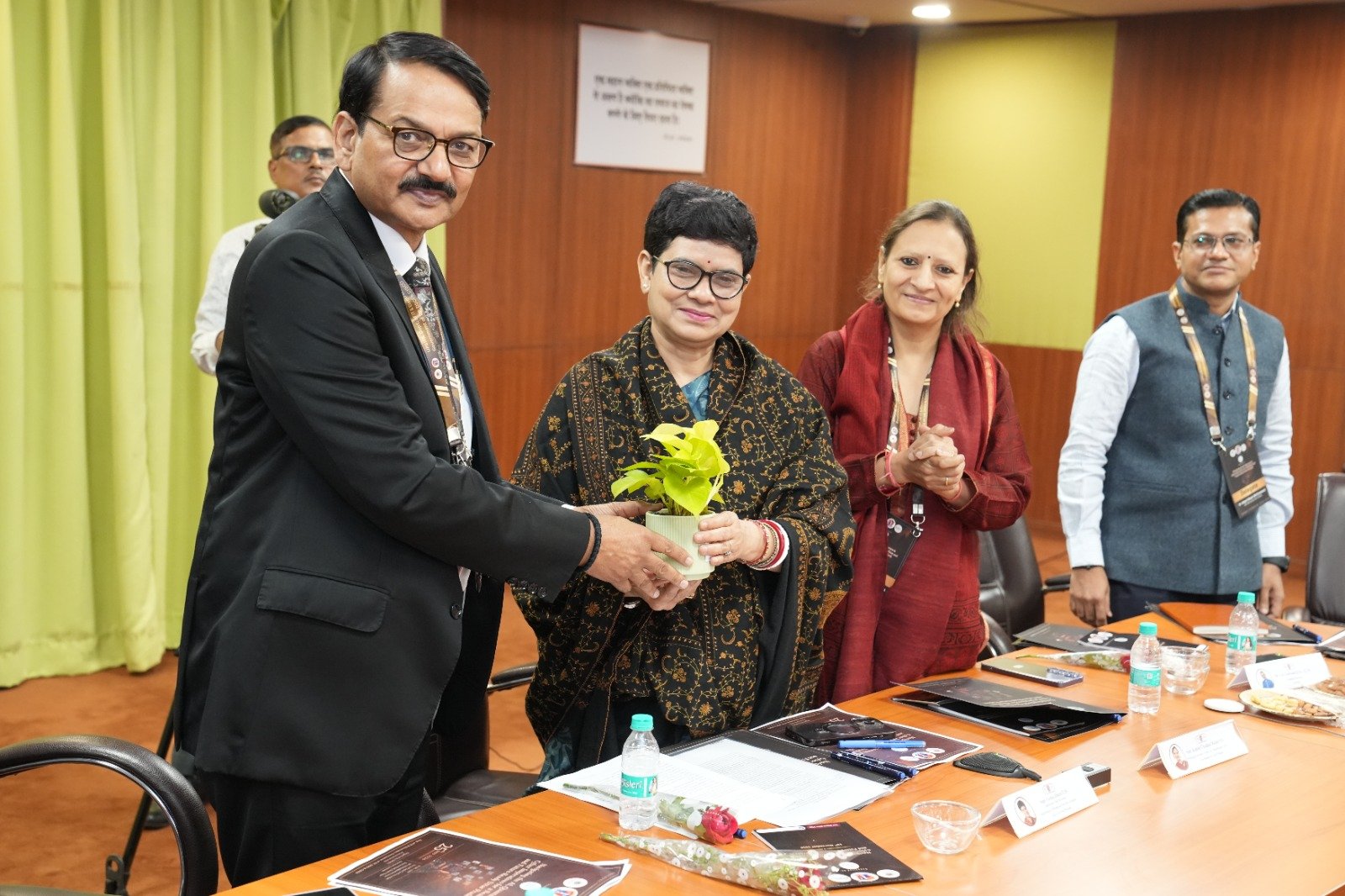
Lucknow, November 2026 : The Uttar Pradesh government is working towards strengthening the state's digital security infrastructure to protect sensitive data and guard against cyberattacks. A special workshop brought together senior officials from the government and administration, police personnel, cybersecurity experts, technical institutions and industry representatives to discuss ways to make the state's digital ecosystem safer and better prepared for emerging threats.
The workshop was organised on the initiative of the Uttar Pradesh State Institute of Forensic Science (UPSIFS), in line with Chief Minister Yogi Adityanath's vision. UPSIFS Director Dr G.K. Goswami played a key role in bringing experts and stakeholders together to deliberate on the protection of the state's digital infrastructure, data security and measures to prevent cyberattacks.
The workshop was held at the Pragya Conference Hall at the UP-112 headquarters in Gomti Nagar Extension. The Department of Information Technology and Electronics, the Data Security Council of India (DSCI) and Cisco participated as partner organisations.
The primary objective was to assess the cybersecurity preparedness of government departments and critical digital systems, strengthen cyber governance and develop institutional capabilities to address threats arising from emerging technologies.
Senior government officials, technical experts, cybersecurity professionals, industry representatives and academicians shared suggestions on developing a proactive, coordinated and future-ready cybersecurity framework for Uttar Pradesh. Discussions focused on the security preparedness of government digital systems, the capacity to respond to cyberattacks and the need to strengthen security mechanisms in line with rapidly evolving technologies.
Participants also deliberated on AI-driven cyber threats, potential security vulnerabilities in the era of quantum technology, accountability on digital platforms and effective management of cyber incidents.
Discussions Range from UP AI Mission to Quantum Computing
Uttar Pradesh Government Adviser Avnish Awasthi said modern technology would play a decisive role in building a strong and future-ready state.
He said the state government had approved the ₹2,000-crore UP AI Mission. The mission would focus on using artificial intelligence to address public-interest issues, including monitoring children's nutrition, while also providing training opportunities for young people. He invited technical experts and institutions to submit proposals under the mission.
On quantum computing, Awasthi said the government was working towards establishing a quantum computer in collaboration with IIT Kanpur. UPSIFS is also taking steps to bring an indigenous quantum computer to the state.
He highlighted initiatives to expand access to technology among rural youth, including the distribution of 25 lakh tablets and the expansion of data centres. He also said private companies were being invited to establish skill development centres under the Sardar Vallabhbhai Patel Employment and Training Scheme.
Efficiency Must Be Balanced with Sensitivity and Data Accuracy: Leena Johri
Additional Chief Secretary of the Women and Child Development Department, Leena Johri, said the success of technology would ultimately depend on how effectively it made the lives of ordinary people easier and safer.
She stressed that while expanding the use of AI in government services, protecting the privacy, dignity and trust of beneficiaries must remain the highest priority.
She pointed out that an incorrect entry in a sensitive department could deprive a child of essential nutrition services. Similarly, the disclosure of information belonging to a woman who had filed a harassment complaint could put her safety at risk.
She said technological efficiency must therefore go hand in hand with sensitivity and data accuracy.
Technology Must Be Supported by Experience and Human Understanding: Kamini Chauhan Ratan
Principal Secretary of the State Tax Department, Kamini Chauhan Ratan, said technology must be complemented by experience and human understanding.
She said the department would continue engaging with taxpayers through direct communication and initiatives such as 'Vibhag Aapke Dwar' (Department at Your Doorstep).
The objective, she said, was to promote efficient tax administration and good governance while ensuring compliance through a system that listens to taxpayers and addresses their concerns.
AI Is Essential for Cybersecurity, but Accountability Must Be Ensured
Moderating a panel discussion, Dr. Heera Lal emphasised the need to maintain a balance between trust, security and accountability in the digital technology ecosystem.
Citing cyberattacks on airlines and banks in the United States, he observed that even technologically advanced countries were not completely protected from such threats. However, he cautioned that avoiding digital technology out of fear of cyber risks could slow the pace of development.
Deputy Inspector General of the Uttar Pradesh Anti-Terrorism Squad (ATS), Abhishek Yadav, said government agencies needed to adopt modern technologies to tackle challenges involving fake digital identities and social media.
He said AI could analyse millions of data points and assist investigations and law enforcement agencies. However, the final decision should always remain with a human officer. He also highlighted the usefulness of AI-based real-time data analysis in traffic management.
Regular Cybersecurity Drills Needed in Public Institutions
Colonel Shikha Mehrotra stressed the need for regular cybersecurity drills and audits in government hospitals, banks and public offices, on the lines of the armed forces.
She said security preparedness should be completed well before any cyberattack takes place.
Sandeep Agrawal, Chief Technology Officer – Security and Director at Cisco India and South Asia, described AI as a force multiplier for cybersecurity. He identified identity and access management, segmentation and visibility as the three key pillars of a strong cybersecurity framework.
According to him, AI can help identify technical vulnerabilities and make security systems more effective.
Senior Officials and Experts Share Views
The special panel also featured Additional Chief Secretary of the Labour and Employment Department Dr. Ashish Kumar Goyal; MSME Department Secretary Pranjal Yadav; Uttar Pradesh Development Systems Corporation Limited Managing Director Akanksha Rana; Uttar Pradesh Forest Corporation Additional Managing Director Dr. Sujoy Banerjee; Income Tax Commissioner (Appeals), Lucknow, Dr. Neil Jain; Directorate of Revenue Intelligence (DRI), Lucknow Zone, Additional Director General Dr. Vidyut Vikas; Commandant of the 35th Battalion PAC, Lucknow, Amit Kumar; UIDAI Regional Office, Lucknow, Director Colonel (Dr.) Praveen Kumar Singh; DSCI representative Atul Kumar; and Professor Vrijendra Singh of IIT Allahabad.
The workshop provided a platform for government departments, law enforcement agencies, technical institutions and industry representatives to discuss a coordinated approach to cybersecurity. The deliberations highlighted the importance of data protection, institutional preparedness, responsible use of AI and continuous assessment of digital systems as Uttar Pradesh expands its technology-driven governance initiatives.