‘Super El Niño’: Summer 2026 and the Threat of Heatstroke – Be Alert in Time!

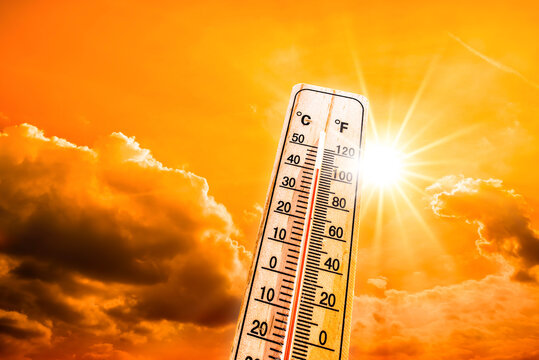
The cycle of nature is changing, and this year the summer has begun to take a fierce form. In many parts of the state, the temperature has crossed 40 degrees Celsius, and citizens are facing difficulties due to the intense rays of the sun. According to weather experts, the year 2026 is likely to become the hottest year in India’s climate history. To deal with this severe situation, the administration has issued a ‘heat wave’ warning and appealed to citizens to remain alert.
In global climate change, the phenomenon of ‘Super El Niño’ is playing an important role. Due to the increase in sea surface temperatures, it adversely affects weather patterns across the world. Because of this, there is a possibility of an impact on the monsoon in India and a significant increase in the intensity of summer. Indications are that temperatures in many states may rise above 45°C.
According to the standards of the Indian Meteorological Department (IMD), for coastal regions: if the maximum temperature remains above 37°C for two consecutive days, and when the temperature rises 4.5°C to 6.4°C above normal, it is called a ‘heat wave’. When the temperature rises more than 6.5°C above normal, it becomes a ‘severe heat wave’, which can be life-threatening.
Symptoms of Heatstroke: Identifying the danger in time
Heatstroke is not just a condition of fatigue but a medical emergency. Be alert if the following symptoms appear:
- Extremely high body temperature without sweating.
- Dizziness, headache, or nausea.
- Dry and red skin.
- Intense thirst and reduced urination.
- In children, extreme irritability and lethargy.
To protect yourself from heat, do this (Guidelines)
Hydration mantra
Even if you are not thirsty, drink at least 3–4 litres of water daily.
Use natural drinks: lemonade, buttermilk, coconut water, kokum juice, and homemade panha help maintain body moisture.
Clothing and precautions while going out
Wear cotton, light, and white or light-coloured clothes while stepping out.
Use a cap, scarf, or umbrella to cover your head. Wear sunglasses to protect your eyes.
Avoid going out between 12 noon and 3 pm as much as possible.
Changes in diet
Reduce high-protein food and non-vegetarian food during summer, as they are heavy to digest.
Avoid eating uncovered or stale food from outside.
Avoid alcohol, tea, coffee, and carbonated cold drinks, as they reduce water in the body.
Home management
Keep curtains on windows during the afternoon. Open windows at night for ventilation.
Take special care of elderly people and children at home.
Social responsibility
It is important to take care not only of ourselves but also of voiceless animals. Keep water bowls for birds outside the house or on the balcony. Keep pets in shade and provide them with sufficient water.
Remember: this extreme summer is not just nature’s anger but also a result of increasing industrialisation and deforestation. Along with protecting ourselves, protecting the environment is the only permanent solution to tackle rising heat.
Emergency contact: If health deteriorates, immediately contact the nearest doctor or call 108 for an ambulance.
Stay alert, stay safe, and face the summer with courage!

Adani One Rewards Crosses 5 Million Members in Under a Year, Plans Premium Tier Benefits
Mumbai, July 2026 : Adani Airport Holdings Limited (AAHL) has announced that its digital c…

Adani One Rewards Crosses 5 Million Members in Under a Year, Plans Premium Tier Benefits
Mumbai, July 2026 : Adani Airport Holdings Limited (AAHL) has announced that its digital …