Why Were The Narratives Of The Opposition Remained Unsuccessful In Converting Votes In Assam.

May 2026: For months, Pre Poll atmosphere in the North Eastern Gateway State has remain super charged with allegations, and counter allegations had dwindled sides. Assam’s political atmosphere appeared far more competitive than what the final results eventually reflected. Social media remained crowded with criticism of the government, opposition leaders sounded more aggressive than before, and discussions around unemployment, price rise, flood damage and identity politics remained visible throughout the campaign, and most noticeably wide spread corruption allegations against incumbent Himanta Biswa Sarma and his wife.
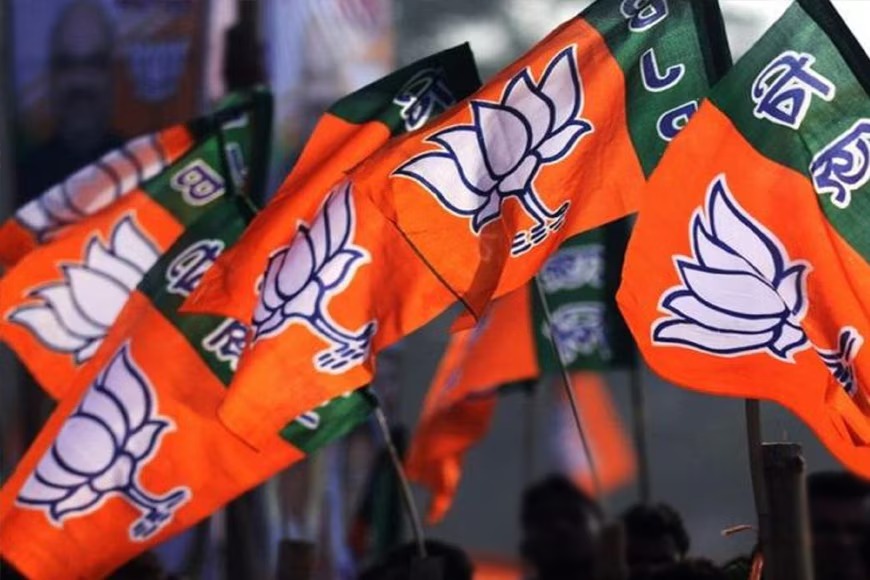
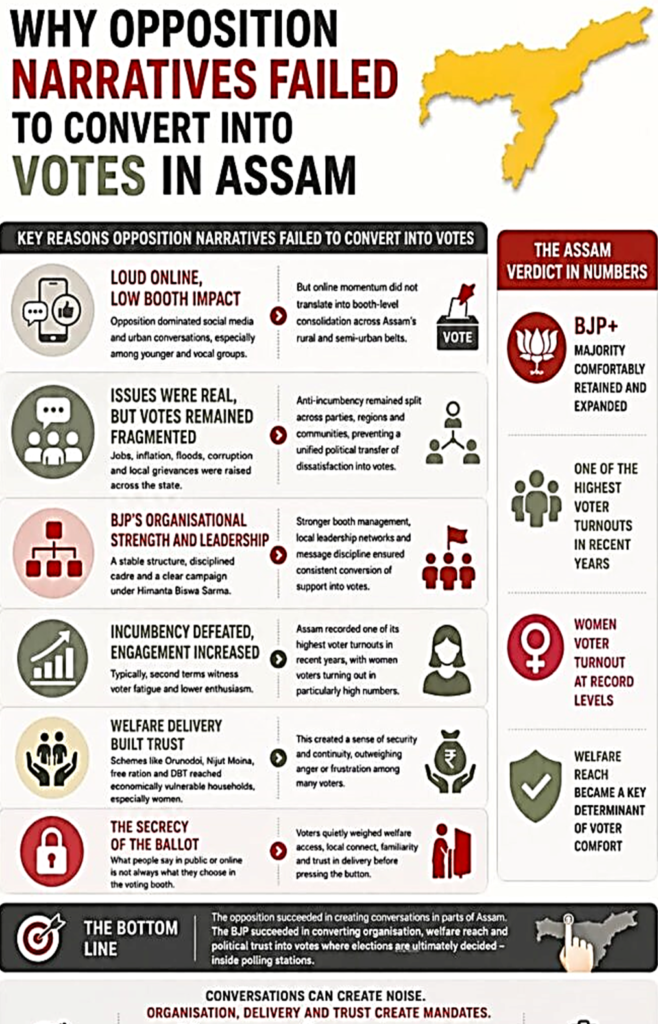
Yet when the votes were counted, the BJP not only returned to power with three-fourth majority winning 82 of 126 seats; while Congress heavyweight Gourav Gogoi losing to the BJP candidate; expanding its position further. One of the clearest takeaways from the Assam verdict is the widening gap between public discourse and actual voting behaviour. The opposition managed to dominate sections of the internet and urban political conversations, particularly among younger and politically vocal groups. That mood, however, did not translate into booth-level consolidation. The issues raised during the campaign were real. Concerns over jobs, inflation, recurring floods, corruption allegations and local grievances surfaced repeatedly across constituencies. In several places, there was visible dissatisfaction with the government as well.
What remained missing was a unified political conversion of that dissatisfaction into votes. The anti-incumbency mood appeared fragmented across parties, regions and communities, while the BJP entered the election with a far more stable structure. Himanta Biswa Sarma remained the central face of the campaign, the party machinery stayed organisationally disciplined, and welfare delivery had already built a steady connection with households over the last five years. Popular welfare schemes (specifically massive cash transfers to women), and a campaign focused on identity politics. That continuity appears to have mattered more than online momentum. The verdict also challenged a familiar political assumption surrounding incumbency. Governments seeking a second consecutive term often face voter fatigue and declining enthusiasm over time. Assam moved in the opposite direction this election, recording one of its highest voter turnouts in recent years, with women voters turning out in particularly high numbers.
The rise in participation suggests this was not a passive mandate delivered through low engagement. A large section of voters appeared politically invested and willing to return to the polling booths despite ten years of the same alliance remaining in power. Welfare schemes played a significant role in shaping that comfort level. Programmes such as Orunodoi, Nijut Moina, free ration distribution and direct benefit transfers strengthened the government’s presence inside economically vulnerable households, particularly in rural Assam and among women voters.
Many voters who publicly expressed frustration over specific issues still appeared more comfortable with continuity than uncertainty. The secrecy of voting also remains an important layer in understanding the Assam verdict. Political criticism today is highly visible online, where expression is immediate and amplified. Voting behaviour, however, often follows a quieter calculation shaped by welfare access, local leadership networks, familiarity and trust in delivery. The opposition succeeded in shaping conversations in parts of Assam. The BJP succeeded in converting organisation, welfare reach and political trust into votes, where elections are ultimately decided, inside polling stations.
The 2026 election saw the impact of a recent delimitation exercise, which reduced the impact of minority-dominant constituencies, favouring the BJP-led alliance.
Team Maverick.


Delhi Court Acquits Brij Bhushan Sharan Singh, Vinod Tomar in Wrestlers’ Sexual Harassment Case
New Delhi, Aug 2026 : A Delhi court on Monday acquitted former Wrestling Federation of Ind…
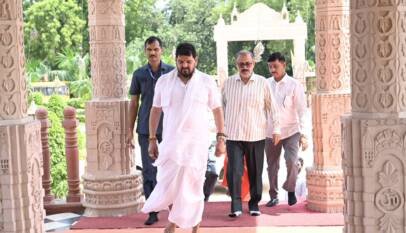
Delhi Court Acquits Brij Bhushan Sharan Singh, Vinod Tomar in Wrestlers’ Sexual Harassment Case
New Delhi, Aug 2026 : A Delhi court on Monday acquitted former Wrestling Federation …