Tensions Escalate as Explosions Rock Iran’s Bandar Abbas Amid Fresh Regional Clashes

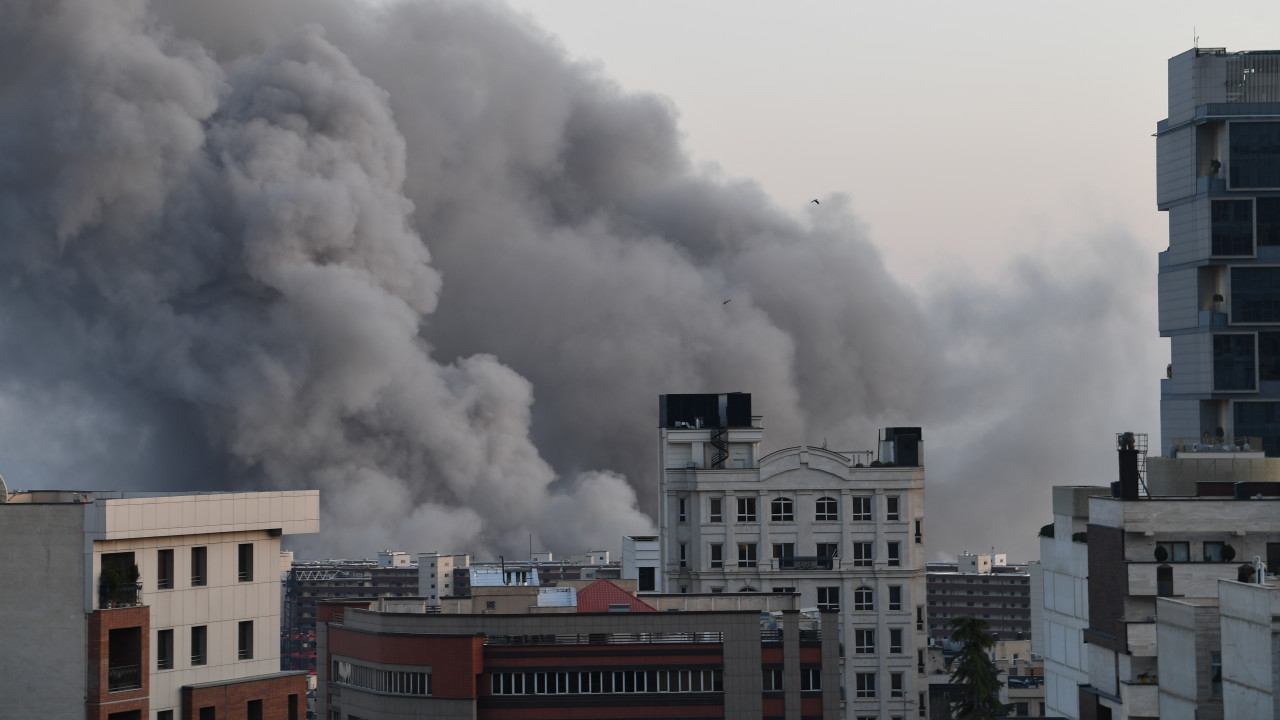
Tehran, July 2026 : Fresh explosions were reported along the southern coast of Iran’s strategic port city of Bandar Abbas on Thursday, as military tensions between Iran and the United States intensified despite ongoing diplomatic efforts aimed at preventing a wider regional conflict.
According to Iranian media reports, loud explosions were heard around 2 p.m. local time in several coastal areas of Bandar Abbas. Iran’s Mehr news agency reported that the blasts were likely linked to an exchange of fire in the waters of the Persian Gulf and the Strait of Hormuz, one of the world’s busiest maritime routes for global oil shipments.
The latest developments came hours after Iran’s Islamic Revolutionary Guard Corps (IRGC) confirmed that three of its personnel from Khuzestan province were killed in a US strike carried out earlier on Thursday. The deaths mark another escalation in the rapidly deteriorating security situation following renewed military exchanges between the two countries.
At the same time, Bahrain and Kuwait announced that their air defence systems had successfully intercepted multiple Iranian missiles and drones targeting their territories.
In an official statement, the Bahrain Defence Force (BDF) accused Iran of continuing what it described as a “systematic hostile approach” through missile and drone attacks aimed at civilian areas and infrastructure. The BDF said all military units had been placed on the highest state of alert to safeguard the kingdom.
Authorities also urged residents to stay away from any suspicious objects or debris resulting from intercepted missiles and drones, warning that unexploded ordnance could pose a serious threat. Bahrain further stated that attacks deliberately targeting civilians and private property violated international humanitarian law.
Neighbouring Kuwait also reported a major overnight aerial assault. The General Staff of the Kuwaiti Armed Forces said its defence systems intercepted three ballistic missiles, one cruise missile and ten drones before dawn, preventing what could have been significant damage.
Although most incoming projectiles were destroyed in the air, falling debris caused material damage in several locations and left one individual injured. Officials said the injured person was in stable condition.
Air raid sirens echoed across Kuwait during the early morning hours as emergency response teams and explosive ordnance disposal units were deployed to clear missile fragments and secure affected areas.
Kuwait’s Ministry of Foreign Affairs strongly condemned the attacks, describing them as a blatant violation of the country’s sovereignty and a direct threat to its national security. The ministry also called the strikes a serious breach of international law and the principles of the United Nations Charter.
Meanwhile, the United States confirmed that its military had launched another round of operations targeting Iranian military assets. US Central Command (CENTCOM) said its forces struck approximately 90 military targets along Iran’s coastline as part of efforts to reduce Tehran’s capability to threaten commercial shipping passing through the Strait of Hormuz.
According to CENTCOM, the strikes targeted a wide range of military infrastructure, including coastal surveillance systems, air defence installations, missile and drone storage facilities, naval assets and logistics centres. The operations marked the second consecutive day of US military action against Iranian positions linked to maritime security threats.
Iran responded by claiming it had launched attacks on US military installations across the Gulf region. Both the IRGC and the Iranian Army stated that American bases and facilities in Bahrain, Kuwait and Qatar had been targeted during the retaliatory strikes. Independent verification of the extent of the reported damage was not immediately available.
The renewed exchange of military action has significantly increased concerns about the security of the Strait of Hormuz, a strategic waterway through which nearly one-fifth of the world’s oil supply passes. Any disruption to maritime traffic in the region could have far-reaching implications for global energy markets and international trade.
The latest confrontation comes at a particularly sensitive time, as Iran and the United States are simultaneously engaged in negotiations aimed at reaching a broader agreement under a recently signed Memorandum of Understanding (MoU). The framework envisions a comprehensive deal to be finalised within 60 days, raising hopes that diplomacy could eventually reduce tensions.
However, Thursday’s military exchanges underscore the fragile nature of the current situation, with both sides continuing to exchange force even as diplomatic channels remain open. Regional observers warn that without restraint, the conflict could quickly expand beyond bilateral hostilities and draw in additional countries across the Gulf.
(The content of this article is sourced from a news agency and has not been edited by the Mavericknews30 team.)







Adani group visits Hon’ble Deputy Chief Minister and Energy Department, Govt. of Odisha
Bhubaneswar, July, 2026 : Kharavel Bhawan, representatives from the Adani Group delivered …

Adani group visits Hon’ble Deputy Chief Minister and Energy Department, Govt. of Odisha
Bhubaneswar, July, 2026 : Kharavel Bhawan, representatives from the Adani Group delivered a comprehensive …