US Intensifies Airstrikes on Iran as Tehran Targets American Allies Amid Escalating Strait of Hormuz Crisis

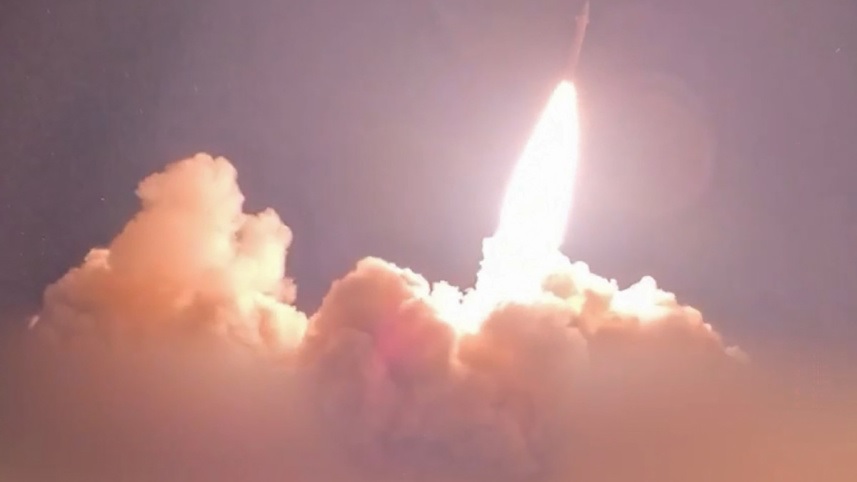
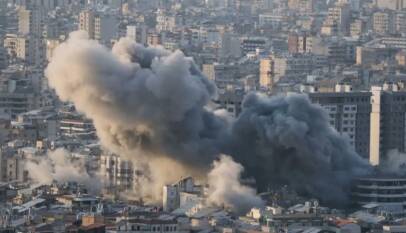
Washington/Tehran, July 2026 : The conflict between the United States and Iran escalated sharply on Thursday as American forces launched a fresh wave of airstrikes targeting Iranian military-linked infrastructure near the strategic Strait of Hormuz, while Tehran retaliated with missile and drone attacks against US allies in the Gulf region.
The latest exchange of hostilities marks a significant deterioration in relations just a month after Washington and Tehran signed a preliminary understanding aimed at reducing tensions following the conflict that erupted earlier this year with large-scale US-Israeli strikes on Iran.
The US Central Command (CENTCOM) confirmed that it had initiated another round of military operations on Thursday evening, describing the attacks as part of ongoing efforts to “further degrade Iranian military capabilities.” The strikes represented the sixth consecutive night of American military action against Iranian targets.
Iranian state media reported that several key infrastructure facilities in southern Iran were hit during the attacks, including two bridges, a railway station and an airport located in the vicinity of the Strait of Hormuz, one of the world’s most strategically important maritime chokepoints.
According to Iranian state television, at least three people were killed after bridges in Hormozgan Province were struck. The broadcaster also reported two explosions in the western city of Bushehr, home to Iran’s only civilian nuclear power plant, describing the incidents as part of the continuing “American aggression.”
The strikes came days after US President Donald Trump warned that Washington could target Iran’s transportation and energy infrastructure unless Tehran halted actions threatening maritime security in the Gulf and returned to negotiations.
Despite the military escalation, the White House reiterated that the US administration remains open to diplomacy.
White House Press Secretary Karoline Leavitt said President Trump was prepared to hold Iran accountable for violating previous commitments but emphasised that diplomatic channels remained open.
“They have indicated that they still want to make a deal with the President. We continue to engage with them, but the President will not allow attacks on commercial shipping in the Strait of Hormuz to go unanswered,” Leavitt told reporters.
Iran responded by launching retaliatory attacks against American military interests in the region. The Islamic Revolutionary Guard Corps (IRGC) announced that its Aerospace Force had fired ballistic missiles at a US airbase in Jordan, claiming the strike was retaliation for an American attack near a children’s cancer hospital close to Ahvaz in southwestern Iran.
Iranian officials said the hospital had been evacuated before the strikes, while Foreign Ministry spokesman Esmaeil Baqaei condemned the US operation as “barbaric.”
Elsewhere in the Gulf, regional tensions continued to rise as Kuwait reported that its air defence systems intercepted incoming missiles and drones overnight. Bahrain also activated air raid sirens following reports of aerial threats, highlighting the widening regional impact of the confrontation.
Iranian military officials maintained a defiant stance, insisting that Tehran would continue resisting US military pressure in the Gulf. A senior Iranian military spokesman declared that the country would “never back down over the Strait of Hormuz” and urged the United States to withdraw its forces from the region.
The Strait of Hormuz, through which nearly 20 per cent of the world’s crude oil exports pass, remains at the centre of the dispute. Although shipping through the waterway briefly resumed under a June understanding between Washington and Tehran, Iranian authorities announced last week that restrictions would again be imposed until what they described as “US aggression” ceased.
The United States has simultaneously reinstated its naval blockade targeting Iranian ports. Earlier on Thursday, the US military confirmed that American forces had boarded a commercial vessel in the Gulf of Oman to verify compliance with the blockade. Officials also disclosed that three ships had been redirected since enforcement measures resumed.
Amid the escalating crisis, Pakistan renewed its diplomatic appeal for restraint. Foreign Office spokesman Tahir Andrabi said Islamabad would continue encouraging all parties to halt military action and return to technical-level negotiations under the memorandum of understanding that Pakistan helped facilitate last month.
However, Iran signalled diminishing confidence in the existing framework. Senior Iranian negotiator Mohammad Bagher Ghalibaf stated that any agreement would remain meaningful only if all parties honoured their commitments.
President Trump has repeatedly warned of stronger military action if Iran continues threatening maritime security or refuses to resume substantive negotiations. In recent remarks, he indicated that attacks on Iranian power plants and transport infrastructure remained under consideration if Tehran failed to alter its course.
Iran, in turn, warned that any further attacks on its territory would trigger retaliation against regional infrastructure, raising concerns that the conflict could spread beyond bilateral hostilities and threaten broader stability in the Gulf.
According to Iranian government spokesperson Fatemeh Mohajerani, renewed US strikes over the past week have resulted in at least 30 fatalities, while damage assessments continue across multiple provinces.
With both Washington and Tehran maintaining hardline positions despite expressing conditional openness to dialogue, the latest military exchanges have heightened fears of a prolonged confrontation that could disrupt global energy markets, regional security and international shipping through one of the world’s most critical maritime corridors.
(The content of this article is sourced from a news agency and has not been edited by the Mavericknews30 team.)




Washington Sundar Ruled Out of ODI Series Decider Against England Due to Hamstring Injury
New Delhi, July 2026 : India have suffered a major setback ahead of the series-deciding th…

Washington Sundar Ruled Out of ODI Series Decider Against England Due to Hamstring Injury
New Delhi, July 2026 : India have suffered a major setback ahead of the …