CM Devendra Fadnavis Approves ₹170 Crore Eco-Friendly Development Plan for Jyotiba Temple Complex

Mumbai, March 2026 : Maharashtra Chief Minister Devendra Fadnavis has directed officials to develop the sacred Jyotiba Temple complex in Kolhapur district with a strong focus on environmental sustainability. Emphasising the ecological importance of the hill shrine, the Chief Minister instructed authorities to ensure that the development of the temple premises is carried out with an environmentally sensitive approach.
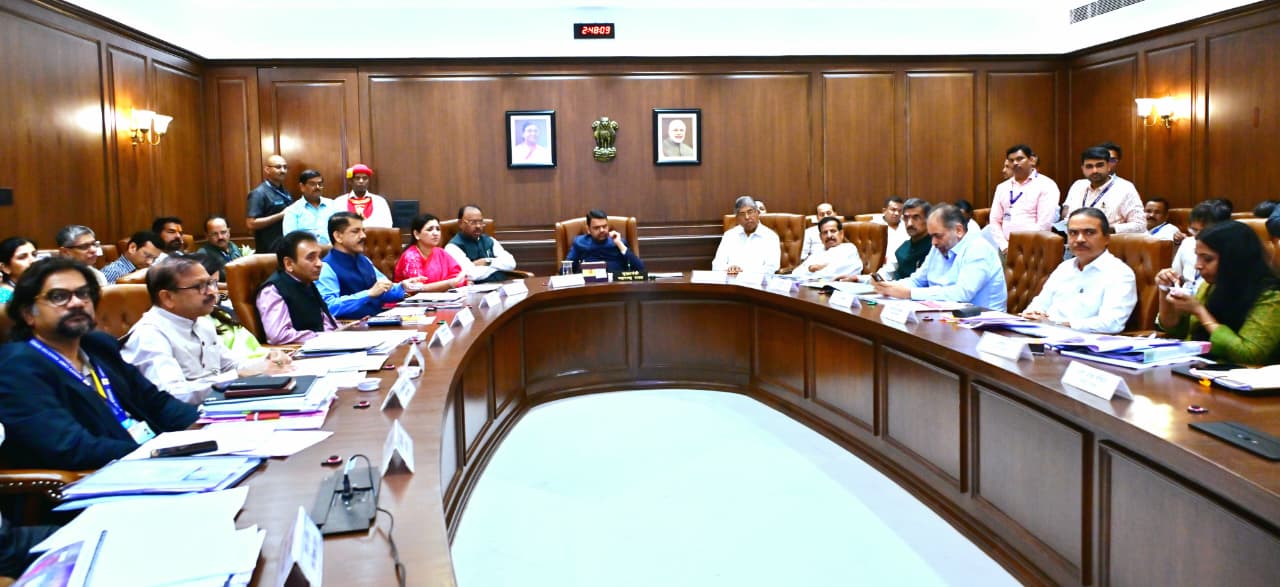
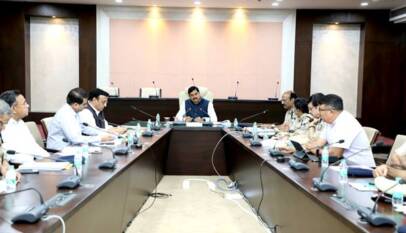
The directives were issued during a high-level apex committee meeting held at the Vidhan Bhavan under the chairmanship of the Chief Minister. At the meeting, a revised development plan worth ₹170 crore for the Shri Kshetra Jyotiba Temple and its surrounding area received approval.
The overall development plan for the temple complex is estimated at ₹250 crore, out of which works worth ₹80 crore have already been initiated. The newly approved revised plan will further accelerate the development of infrastructure and facilities for the large number of devotees who visit the shrine every year.
The meeting was attended by Higher and Technical Education Minister Chandrakant (Dada) Patil, Revenue Minister Chandrashekhar Bawankule, Forest Minister Ganesh Naik, Tourism Minister Shambhuraj Desai, Minister of State for Urban Development Madhuri Misal, MLAs Vinay Kore and Rahul Awade, Chief Secretary Rajesh Agrawal, Additional Chief Secretary (Finance) O.P. Gupta, Additional Chief Secretary (Revenue) Vikas Kharge, and Principal Secretary (Rural Development) Eknath Dawale, among other senior officials.
Chief Minister Fadnavis noted that Shri Kshetra Jyotiba Temple attracts a massive number of devotees not only from across Maharashtra but also from different parts of the country. Given the temple’s location on a hill and the ecological sensitivity of the surrounding region, he stressed that environmental conservation should remain a central component of all development activities.
He directed officials to undertake large-scale tree plantation across the hill area and also ensure better survival rates for the trees already planted. The Chief Minister further emphasised the need for an effective solid waste management system in the hill region to maintain cleanliness and preserve the natural ecosystem.
Since many devotees offer food donations (annadaan) at the temple, the Chief Minister instructed authorities to develop a dedicated “Annachhatralaya” or food distribution facility. This centre should be designed to accommodate a large number of devotees so that food distribution can be organised in a systematic and hygienic manner.
Highlighting the environmental importance of the hill area, Fadnavis also directed that proper sewage management systems should be implemented in the settlements located on the hill. Considering the large number of pilgrims visiting the temple, he emphasised the need for strict planning and effective systems to maintain cleanliness and sanitation throughout the area.
Kolhapur District Collector Amol Yedge made a detailed presentation before the committee regarding the proposed development of the temple complex. The proposal also included the transfer of forest land as per regulations to facilitate infrastructure development in the temple area through a dedicated authority.
Key Features of the Development Plan
Under the proposed development plan for the Jyotiba Temple complex located in Panhala taluka of Kolhapur district, several infrastructure projects will be undertaken to improve access and facilities for devotees.
The project includes repairing and widening the old footpaths leading to the temple on Jyotiba Hill. Trees that may be affected by development activities will be replanted in suitable locations to preserve greenery.
Other proposed facilities include a CCTV control room, an electricity control centre, a police outpost, and an administrative office for temple management. A dedicated facilities centre will also be created for devotees in the Yamai Devi Temple area.
The development plan also includes repairing the southern entrance road of the temple and conserving the historic Shahukalin Huzurwada building. A pedestrian pathway with parking facilities will be developed between Kushire and Gaymukh Lake.
In addition, a five-megawatt power substation along with a solar energy project will be established to ensure reliable and sustainable energy supply to the temple complex. Accommodation facilities for devotees, a primary healthcare centre, and a food distribution centre will also be developed.
A permanent water supply system will be established for both residents and devotees in Wadi Ratnagiri village, further improving essential infrastructure in the area.
Officials believe that once completed, the eco-friendly development of the Jyotiba Temple complex will significantly enhance facilities for pilgrims while preserving the natural and environmental significance of the sacred hill region.

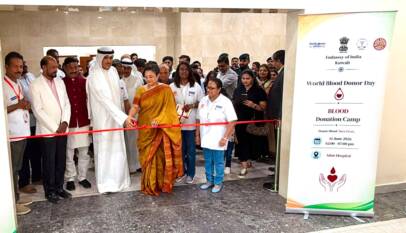
President Of India Reviews Passing Out Parade at Indian Military Academy, Dehradun.
Dehradun; June 2026: The Supreme Commander of the Armed Forces and President of India, Dro…
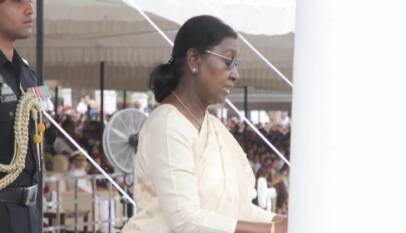
President Of India Reviews Passing Out Parade at Indian Military Academy, Dehradun.
Dehradun; June 2026: The Supreme Commander of the Armed Forces and President of India, …