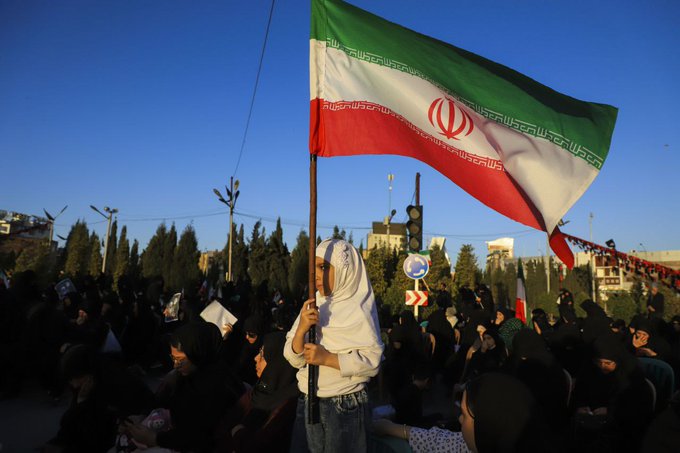
Iran Denies US Talks, Accuses Trump of Using Diplomacy to Mask Military Strategy

Tehran, March 2026 : Iran has firmly rejected claims by Donald Trump that negotiations are underway between Washington and Tehran, accusing the United States of using the narrative of diplomacy as a cover for military planning and economic manoeuvring.
The response from Ministry of Foreign Affairs Iran came shortly after Trump announced a five-day pause in planned strikes on Iranian energy infrastructure, citing what he described as ongoing “constructive” engagement with Iran. However, Iranian officials dismissed these assertions as misleading and politically motivated.
According to statements carried by state media, Tehran said the remarks were aimed at influencing global energy markets and buying time for further military actions. The ministry alleged that Washington is attempting to reduce soaring oil prices through claims of diplomacy while continuing preparations for escalation.
An Iranian official, quoted in local media, categorically denied any form of communication with the United States, stating that there have been neither direct nor indirect talks. This contradiction highlights the deep mistrust between the two sides even as reports suggest that some countries are attempting to mediate behind the scenes.
Tehran acknowledged that regional powers are making efforts to de-escalate the situation but insisted that such appeals should be directed at Washington. It maintained that Iran did not initiate the conflict and is responding defensively to external pressure.
The tensions come amid a sharp escalation in the region, particularly around the strategically crucial Strait of Hormuz, through which nearly 20 per cent of the world’s oil supply passes. The waterway remains largely disrupted, contributing to volatility in global energy markets and raising concerns about supply shortages.
Earlier, Trump had issued a stern ultimatum demanding the reopening of the strait, warning of severe military consequences if Iran failed to comply. In response, Iranian leaders warned that any attack on their infrastructure would trigger widespread retaliation across the region.
Despite Trump’s decision to delay military action, Iran’s firm denial of negotiations suggests that any diplomatic breakthrough remains uncertain. Analysts note that conflicting narratives from both sides are adding to global uncertainty, particularly in energy markets.
With the Strait of Hormuz still effectively constrained and tensions running high, the possibility of further escalation remains significant. The situation continues to evolve, with diplomacy, military posturing, and economic pressures all shaping the next phase of the crisis.
(The content of this article is sourced from a news agency and has not been edited by the Mavericknews30 team.)




Amarnath Yatra Resumes After Six-Day Rain Halt, Pilgrims Hail Safety Arrangements and Renew Their Journey of Faith
Jammu, July 2026 : The annual Shri Amarnath Yatra resumed on Saturday after remaining susp…

Amarnath Yatra Resumes After Six-Day Rain Halt, Pilgrims Hail Safety Arrangements and Renew Their Journey of Faith
Jammu, July 2026 : The annual Shri Amarnath Yatra resumed on Saturday after remaining …