US Sends 15-Point Plan to Iran to End War, Curb Nuclear Programme

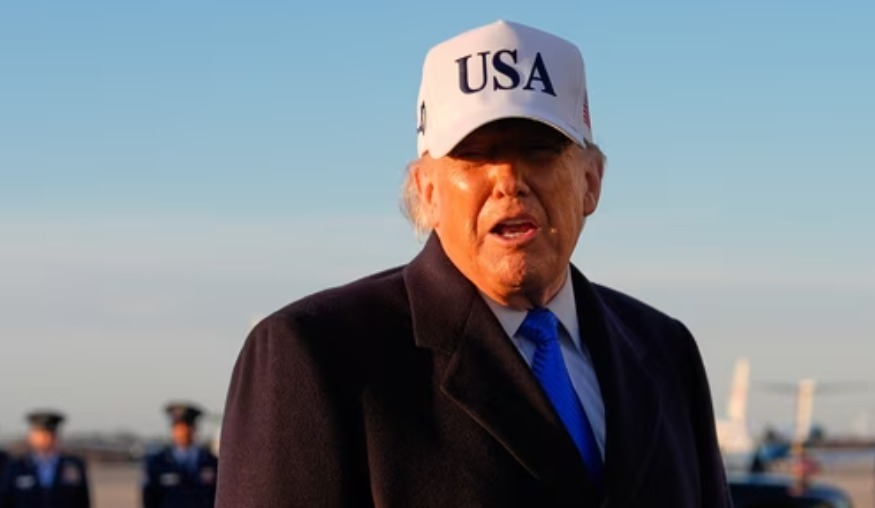
Washington, March 2026 : The United States has reportedly presented a comprehensive 15-point proposal to Iran aimed at ending the ongoing conflict and dismantling Tehran’s nuclear programme, as President Donald Trump signalled optimism about a possible deal.
According to media reports, including those by The Wall Street Journal, the plan was conveyed through intermediaries and lays out a broad roadmap to halt hostilities, limit Iran’s military capabilities, and reshape its regional role.
At the core of the proposal are stringent nuclear restrictions. The US has called on Iran to dismantle its three primary nuclear facilities — Natanz, Isfahan, and Fordow — and completely halt uranium enrichment on its soil. The plan further requires Tehran to hand over all enriched nuclear material to the International Atomic Energy Agency under a monitored timeline, while granting the UN watchdog full access to its nuclear infrastructure and data.
The framework also includes a one-month ceasefire to create space for negotiations and demands a binding commitment from Iran to never pursue nuclear weapons. In addition, the proposal outlines the suspension of Iran’s ballistic missile programme, with provisions to address limits on missile range and stockpiles at a later stage.
On the regional front, Washington has pushed for Iran to scale back its influence by ending support for proxy groups across the Middle East. The plan seeks to halt funding and arming of such groups and restrict Iran’s military posture strictly to self-defence.
A key component of the proposal focuses on ensuring the uninterrupted functioning of the Strait of Hormuz, a vital global energy route. The US has called for its full reopening and maintenance as a free maritime corridor, amid concerns over disruptions to global oil supplies.
In return for compliance, the US has offered significant incentives. These include lifting all nuclear-related sanctions and supporting Iran in developing a civilian nuclear energy programme at Bushehr, subject to international monitoring. The proposal also suggests removing the “snapback” mechanism, which allows for the automatic reimposition of sanctions in case of violations.
The diplomatic effort is being facilitated through multiple intermediaries, with countries such as Pakistan, Turkey, and Egypt reportedly playing key roles in bridging communication between Washington and Tehran, as per reports from The Wall Street Journal and The New York Times.
Despite these overtures, significant gaps remain between the two sides. Reports indicate that Iran has continued its regional military activities, including strikes involving Israel and Gulf nations such as Saudi Arabia, Kuwait, and Bahrain, underscoring the fragile and volatile nature of the situation.
Trump, however, struck an upbeat tone, stating that Iran appears willing to negotiate. “They’d like to make a deal… they’ve agreed they will never have a nuclear weapon,” he said, adding that US officials are engaging with “the right leaders” in Tehran.
The proposal comes as the conflict enters its fourth week, with both military escalation and economic pressure continuing to shape the geopolitical landscape. Whether the plan can translate into a breakthrough agreement remains uncertain, but it represents one of the most detailed diplomatic efforts yet to resolve the crisis.
(The content of this article is sourced from a news agency and has not been edited by the Mavericknews30 team.)






Governor pays obeisance at Baba Lal Ji Dhianpur Dham
On the eve of Guru Purnima, Governor Kavinder Gupta along with Lady Governor Bindu Gupta t…

Governor pays obeisance at Baba Lal Ji Dhianpur Dham
On the eve of Guru Purnima, Governor Kavinder Gupta along with Lady Governor Bindu …