France Unveils $80M Emergency Shield Against Soaring Energy Prices.

Paris; March 2026: The French government has launched a €70 million ($80 million) emergency support plan to protect key industries from a “price volatility crisis” triggered by the war in the Middle East. The package targets the transport, farming, and fishing sectors, according to a statement.
Officials stated that the move is crucial to safeguard France’s “food sovereignty” and ensure the smooth operation of the national economy. These sector-specific measures are limited to the month of April 2026, it said.
• Small and medium-sized road transport firms will receive €50 million in aid, equivalent to a flat-rate payment of €0.20/ litre, under the measures.
• Farmers will be exempted from taxes on agricultural diesel for the month. At the same time, the fishing industry has been allocated €5 million to offset fuel costs, which now account for 35% of their operating expenses.
As per governmental statement it is a “financial cushion” to struggling firms, including the deferral of social security and tax payments without penalties, alongside “Boost Fuels” loans of up to €50,000 for the smallest businesses.
For nearly a month, the US and Israel have carried out an air offensive against Iran, killing more than 1,340 people, including then-Supreme Leader Ali Khamenei. In retaliation, Iran has attacked with drone and missile strikes targeting Israel, as well as Jordan, Iraq and Gulf countries hosting US military assets, causing casualties and damaging infrastructure, while disrupting global markets and aviation.
The Strait of Hormuz has been effectively disrupted since early March. Around 20 million barrels of oil normally pass through it daily, and the disruption has driven up shipping costs and pushed global oil prices higher.
France says its military presence in Middle East is ‘defensive’, as it pushes for de-escalation. ‘This is not our war and we do not want to be part of it’, said Foreign Ministry spokesman Pascal Confavreau. He has further reiterated that Paris is in the region “to support and protect its citizens, as well as to protect its allies such as the UAE, Qatar, and Kuwait”, while also safeguarding freedom of navigation.
He underlined that France’s strategy, backed by President Emmanuel Macron and Foreign Minister Jean-Noel Barrot, is defensive in nature, noting the deployment of an aircraft carrier and six frigates to the Red Sea. “What we want is a de-escalation”, Confavreau said, warning that continued hostilities could destabilize the wider region.
He added that “Iran is primarily responsible for the situation”, citing concerns over its nuclear and ballistic missile programs and regional activities. The spokesperson also emphasised that France does not seek direct involvement in the conflict, stating, “This is not our war and we do not want to be part of it”, while reaffirming support for allies facing attacks.
According to Confavreau, consultations involving more than 30 countries are ongoing to ensure freedom of navigation in the Strait of Hormuz, alongside discussions at the UN Security Council on a draft resolution.
Separately, Macron has engaged in diplomatic efforts, including contact with Iranian President Masoud Pezeshkian, to push for de-escalation, Confavreau said.
French officials warned that the crisis could have global economic repercussions, including rising energy prices, as disruptions in the Strait of Hormuz, through which around 20 million barrels of oil pass daily, continue to impact markets.
Team Maverick.

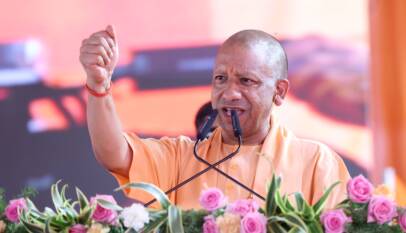

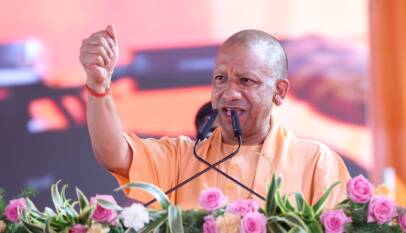



Chandrababu Naidu Reviews Preparations for PM Modi’s August 1 Inauguration of Bhogapuram International Airport
Amaravati, July 2026 : Andhra Pradesh Chief Minister N. Chandrababu Naidu on Monday conduc…
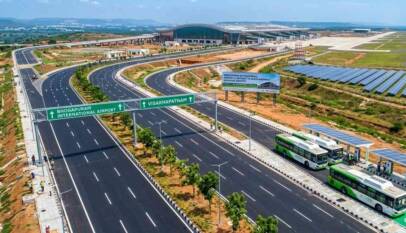
Chandrababu Naidu Reviews Preparations for PM Modi’s August 1 Inauguration of Bhogapuram International Airport
Amaravati, July 2026 : Andhra Pradesh Chief Minister N. Chandrababu Naidu on Monday conducted …