US Confirms High-Level Talks with China Amid Iran Crisis, Highlights Global Stakes

Washington, April 2026 : The White House has confirmed that the United States engaged in high-level discussions with China during the recent Iran crisis, underlining the broader geopolitical dimensions surrounding the ceasefire and upcoming negotiations with Tehran.
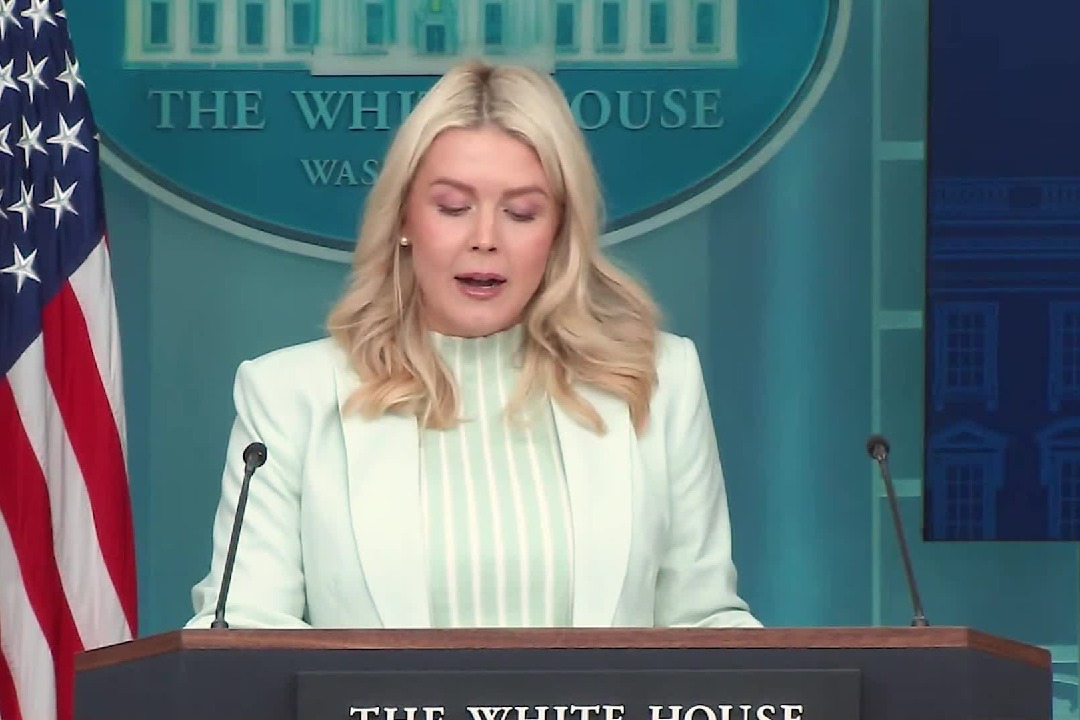
Speaking at a press briefing, White House Press Secretary Karoline Leavitt revealed that communication channels between Washington and Beijing remained open even as tensions escalated in West Asia. “There were conversations that took place between top levels of our government and China’s government,” she said, indicating sustained diplomatic contact between the two global powers.
Leavitt also highlighted the working relationship between Donald Trump and Xi Jinping, suggesting that further engagement could be on the horizon, including a potential visit by Trump to China in the coming weeks.
The disclosure points to quiet coordination among major powers as the United States shifts its approach from military operations to diplomacy following the announcement of a two-week ceasefire with Iran. Washington has attributed the breakthrough to its sustained military campaign, Operation Epic Fury, which it claims significantly weakened Iran’s defence and strategic capabilities.
According to the White House, the pressure generated by the operation compelled Tehran to step back and agree to negotiations. Leavitt described this as a result of the administration’s “maximum pressure” strategy, which created the leverage needed to bring Iran to the negotiating table.
Despite this, US officials have cautioned that the ceasefire remains fragile. “Ceasefires are fragile by nature,” Leavitt said, warning that disruptions on the ground or conflicting signals from within Iran could complicate the implementation of the agreement.
The next phase of diplomacy is set to unfold in Islamabad, where a US delegation led by Vice President J. D. Vance will hold direct talks with Iranian representatives. These discussions are expected to focus on key issues, including nuclear restrictions and long-term regional stability.
China’s indirect involvement reflects its growing diplomatic role in the Middle East, where it has increasingly positioned itself as a mediator in regional disputes. For the United States, maintaining dialogue with Beijing during the crisis appears aimed at preventing further escalation and ensuring a coordinated global response.
The situation also carries significant economic implications. Any disruption to the Strait of Hormuz — a critical global shipping route — can have immediate effects on oil supply chains and energy prices worldwide, making international cooperation essential as negotiations move forward.
(The content of this article is sourced from a news agency and has not been edited by the Mavericknews30 team.)




Peddi Review: Ram Charan Powers an Ambitious Sports Epic Rooted in Rural Pride and Personal Identity
Hyderabad, June 2026 : Indian star Ram Charan steps into unfamiliar yet emotionally rich t…

Peddi Review: Ram Charan Powers an Ambitious Sports Epic Rooted in Rural Pride and Personal Identity
Hyderabad, June 2026 : Indian star Ram Charan steps into unfamiliar yet emotionally rich …