Global Leaders Welcome Israel–Lebanon Ceasefire, Urge Lasting Peace

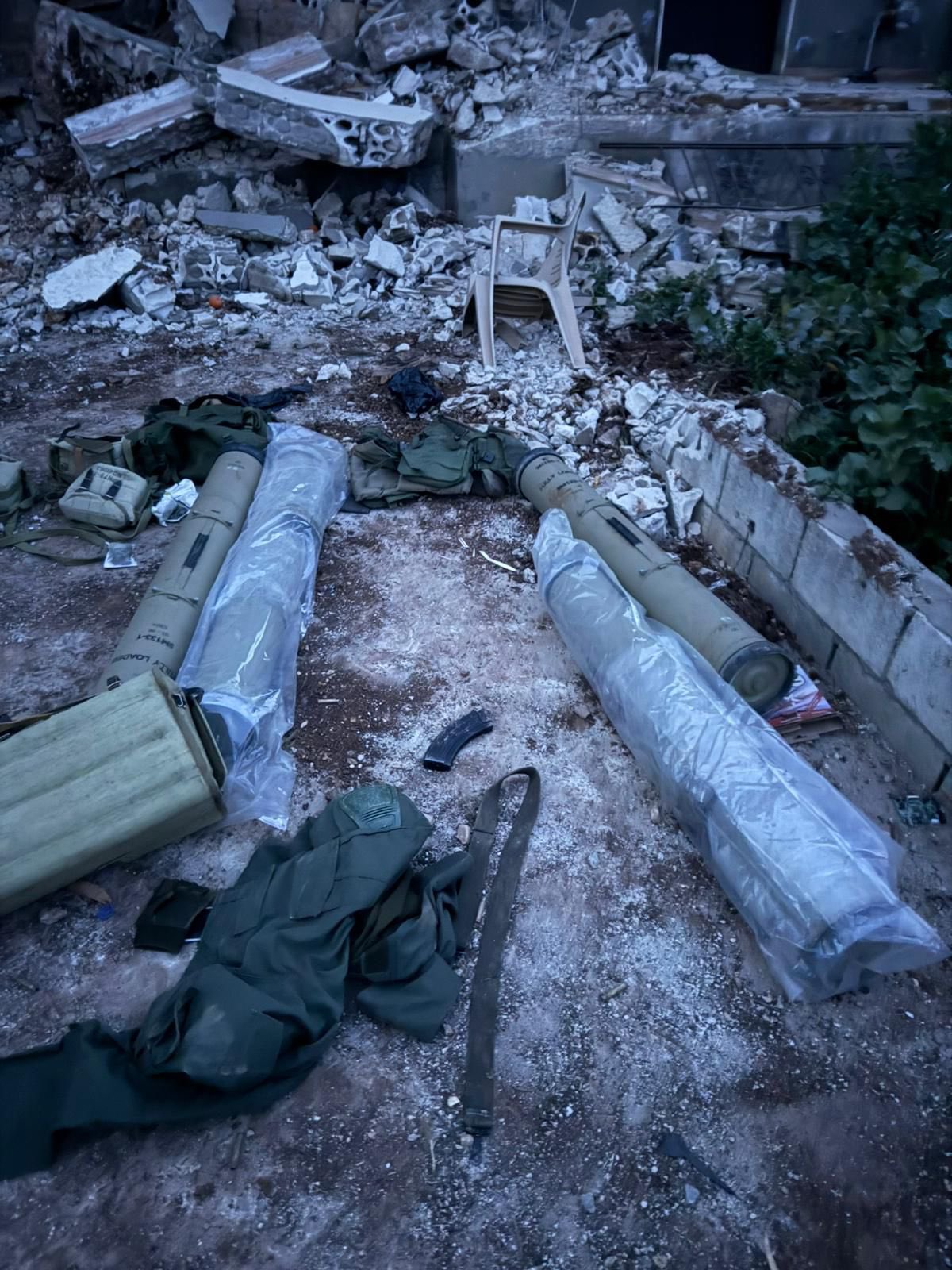
Beirut, April 2026 : A 10-day ceasefire between Israel and Lebanon came into effect on Friday, marking a temporary halt to more than a month of intense conflict involving the Iran-backed militant group Hezbollah. The truce, announced earlier by US President Donald Trump, has been widely welcomed by the international community as a step toward reducing violence and human suffering.
The recent escalation, which has claimed over 2,000 lives, saw heavy exchanges of fire across the border, particularly along the Blue Line separating Israel and Lebanon. With the ceasefire now in place, global leaders and organisations have called on all sides to strictly adhere to the agreement and work toward a more permanent resolution.
United Nations Secretary-General Antonio Guterres, through his spokesperson Stephane Dujarric, welcomed the development, stating that any effort to end hostilities and alleviate suffering on both sides of the Blue Line was a positive step. The UN urged all concerned parties to fully comply with the ceasefire terms and avoid further escalation.
The Arab League also expressed support, with Secretary-General Ahmed Aboul-Gheit describing the truce as an important move to ease the suffering of the Lebanese population. He called for immediate adherence to the ceasefire and stressed the need for serious negotiations to achieve a sustainable and long-term peace.
Iran welcomed the agreement as well, with Foreign Ministry spokesperson Esmaeil Baghaei linking the ceasefire to broader diplomatic efforts, including a Pakistan-mediated understanding between Iran and the United States aimed at reducing regional tensions.
Regional powers echoed similar sentiments. Egypt described the ceasefire as a significant step toward de-escalation and urged the international community to ensure its durability. Cairo also emphasized the importance of facilitating humanitarian aid and enabling displaced civilians to return home safely.
The United Arab Emirates expressed hope that the truce would help create conditions conducive to broader regional stability. It called for continued international coordination to prevent further escalation and address the humanitarian and security challenges arising from the conflict.
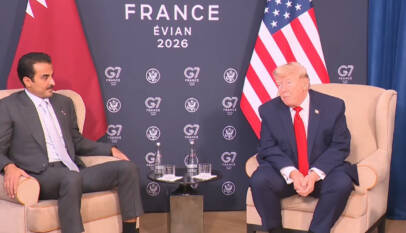
Likewise, Qatar termed the ceasefire a constructive step toward de-escalation, voicing optimism that it would support efforts to achieve a comprehensive and lasting peace in the region.
The current ceasefire follows the collapse of an earlier truce that had been in place since November 2024 but was marred by frequent violations, including near-daily Israeli strikes. That fragile arrangement ultimately broke down on March 2 after Hezbollah launched rockets into Israel in support of Iran, triggering a new wave of intensified Israeli airstrikes.
While the latest agreement has raised hopes of stability, its success will depend on strict compliance by all sides and sustained diplomatic engagement to move beyond temporary pauses toward a durable peace.
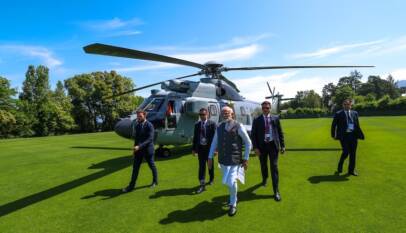
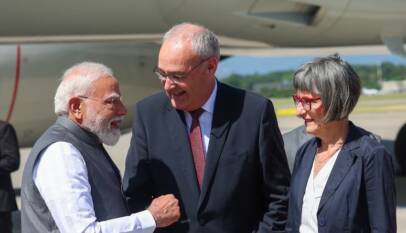



Mutual trust is world’s most valuable strategic asset: PM Modi at G7 Summit
Evian (France), June 2026 : Prime Minister Narendra Modi on Tuesday underscored the import…
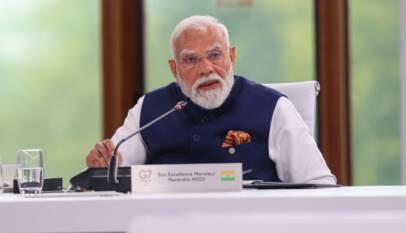
Mutual trust is world’s most valuable strategic asset: PM Modi at G7 Summit
Evian (France), June 2026 : Prime Minister Narendra Modi on Tuesday underscored the importance …