Countrys Unique Neemuch Herbal Mandi

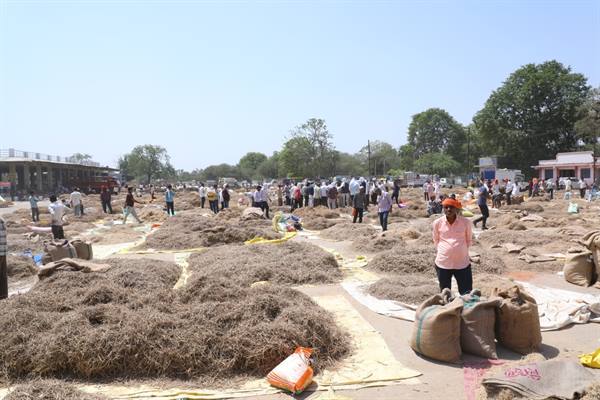
The Neemuch Herbal Mandi of Madhya Pradesh has proven a boon for farmers across who cultivate medicinal crops. This is the only trading yard of Mandi in the country where every part of a plant—thorns, flowers, leaves, peels, seeds, bark and roots—are sold fetching handsome remuneration to farmers. They receive prices ranging from ₹500 to ₹2 lakh per quintal for various medicinal crops. The fame of Neemuch Mandi has gone far and wide. Farmers from Gujarat, Karnataka, Rajasthan, Maharashtra, Uttar Pradesh and Chhattisgarh are now bringing their produce here.
The market witnesses a steady influx of produce until the month of April, after which arrivals begin to taper off towards the last week of May. Farmers rarely face disappointment, as every variety of herbs and medicinal plant finds a buyer.
The main market complex houses 16 sheds. It is the only market where 40 to 50 different types of medicinal plants are procured through an open auction process. Furthermore, it stands as the single largest market in the country dedicated to the procurement of spice crops.
Shri Nilesh Patidar is a prominent farmer from Neemuch. He owns 45 acres of land and belongs to a big family comprising 12 members. He has been engaged in the cultivation of spice 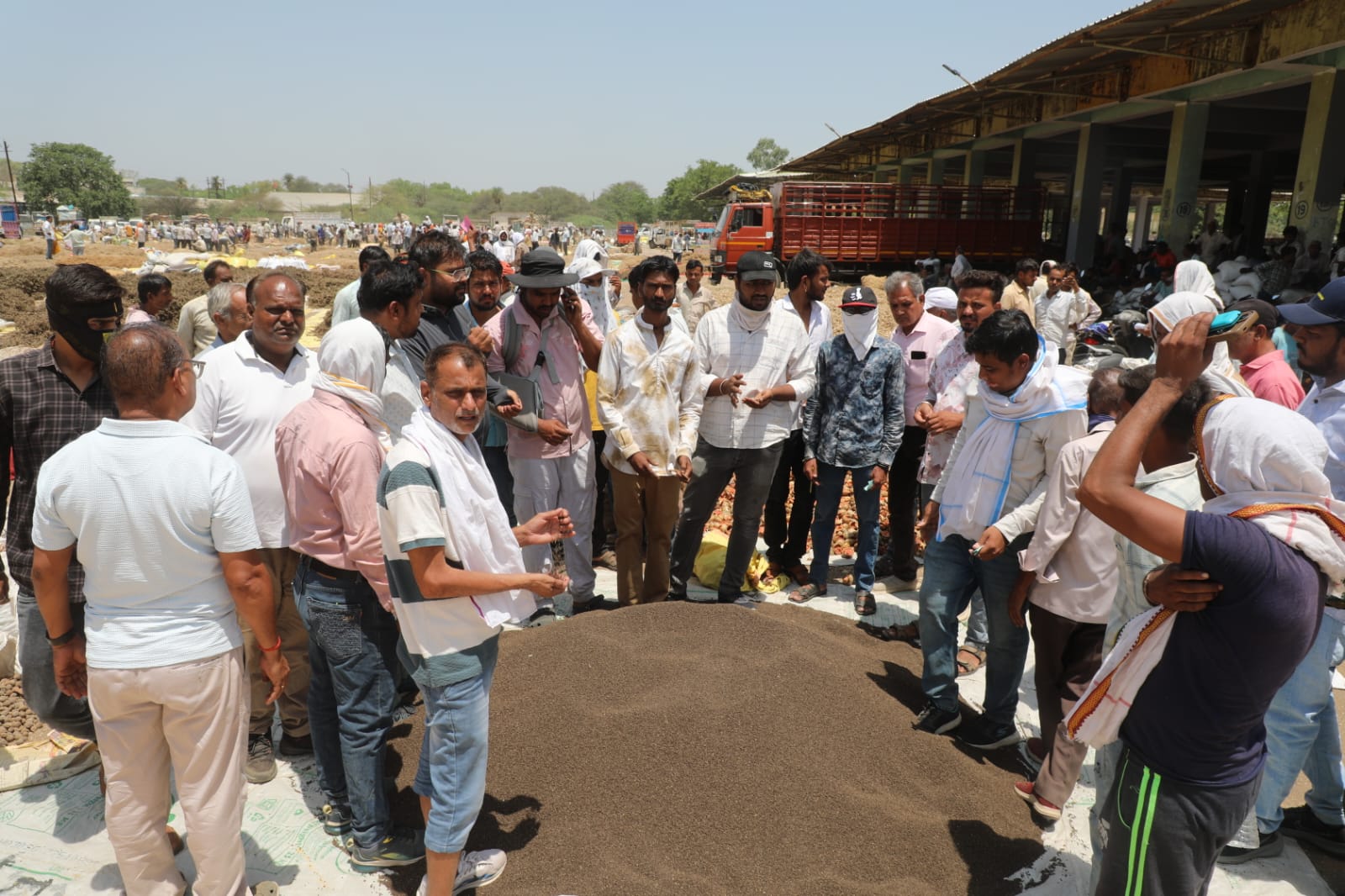 crops for the past two to three years. He notes that crops such as Isabgol (Psyllium husk), Iranian Akarkara, Chirata, Ajwain (Carom seeds), Quinoa, Chia seeds and Tulsi (Holy Basil) seeds fetch excellent prices. Garlic, too, commands good market rates. Nilesh is delighted that Chief Minister Dr. Mohan Yadav is encouraging the cultivation of medicinal crops. He states that if the government provides proper training regarding the techniques and methods of herbal farming, excellent results will follow. Currently, the government is extending every necessary facility and support. “The assistance comes from the government, and in response we do hard work.” The Neemuch Mandi serves as a great support for farmers engaged in herbal cultivation.
Shri Prahlad Singh resides in the village of Azampur Dodiya in the Ratlam district. He has received excellent prices for the Ashwagandha and 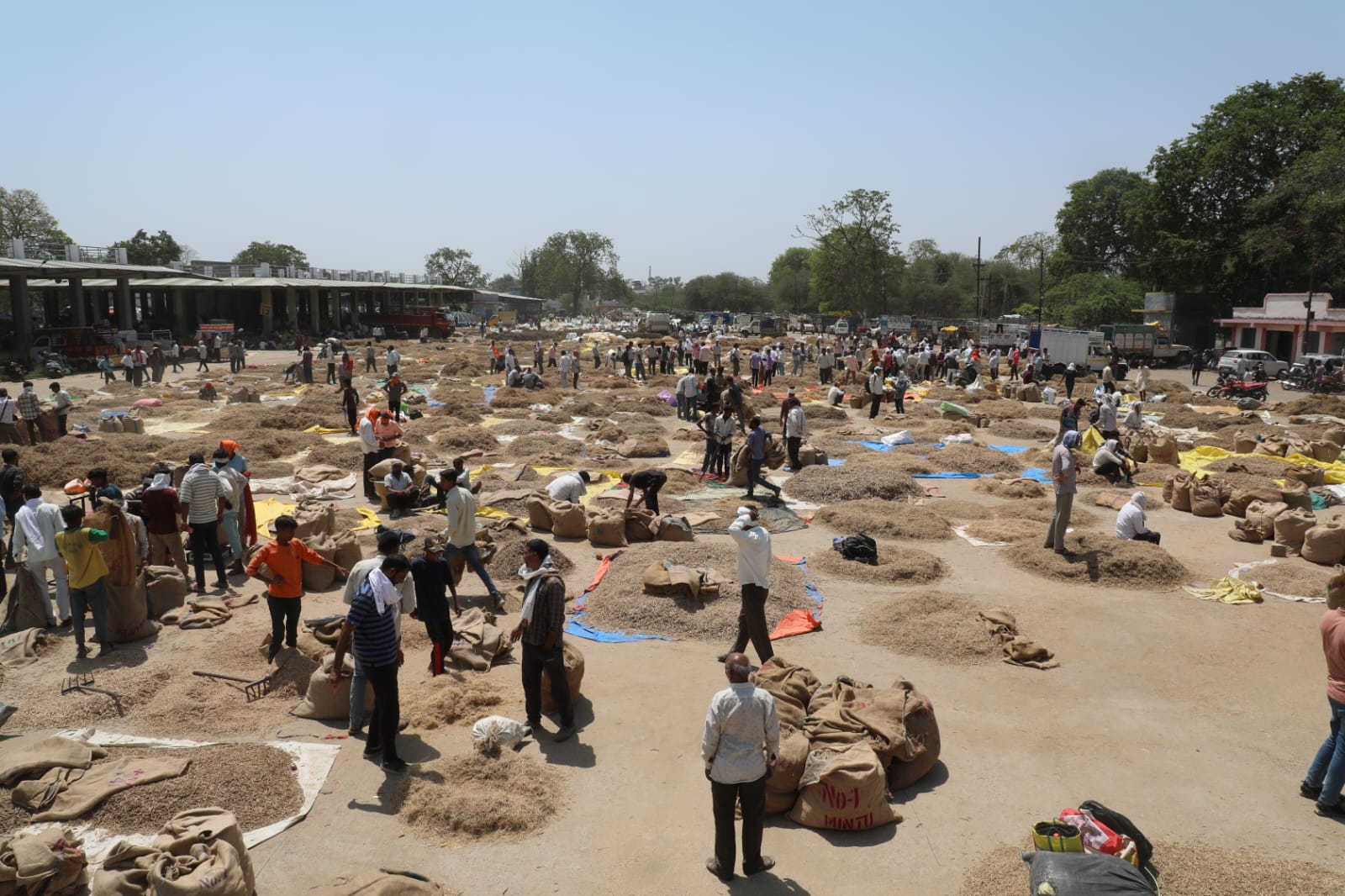 Akarkara seeds he sold. Bidding at the Mandi takes place on time, and the produce is sold with ease; farmers face absolutely no inconvenience. The conduct of everyone at the Mandi is exemplary. The government has put in place excellent arrangements at the Mandi specifically for small and medium-scale farmers like us.
Shri Pancham Singh, also a farmer from the same village, brings Ajwain (carom seeds) and Ashwagandha to the market. He receives immediate payment for his produce. The overall management and systems at the Mandi have improved significantly. He notes that the reputation of this Mandi has now spread far and wide; farmers from Gujarat, Karnataka, Rajasthan, Maharashtra, Uttar Pradesh and Chhattisgarh travel long distances to bring their produce here. Everyone prefers to come here due to the accurate weighing, fair pricing, and immediate payment facilities. Crops such as Isabgol, Ashwagandha, Kalonji, Shatavari, Safed Musli, Saffron, Sarpagandha and Akarkara roots command high prices, and there is a consistent, year-round demand for them.
Highlighting the unique features of the market, Mandi Secretary Shri Umesh Basedia Sharma explains that the timely auction process, accurate weighing, and efficient payment system 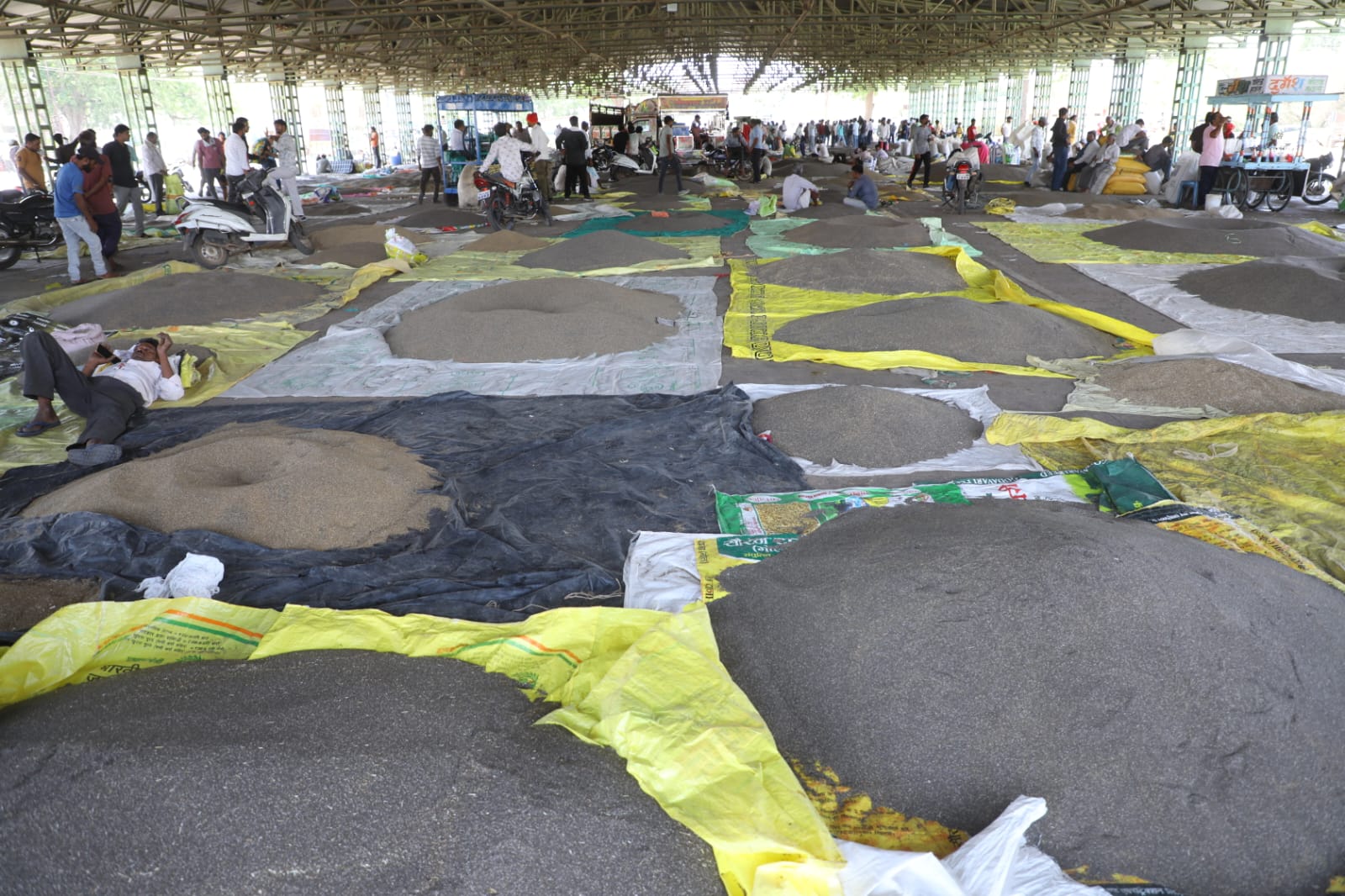 have proven to be a true boon for the farmers. Facilities for farmers are being continuously expanded in their best interests. Financial management has also seen continuous improvement. In the year 2024–25, the market witnessed an arrival volume of 64.16 lakh quintals, which rose to 72.40 lakh quintals in 2025–26. Officials state that the ‘Mandi’ administration has streamlined and optimised all arrangements designed to safeguard the interests of the farmers. The National Medicinal Plants Board has also provided a grant of ₹5.5 crore to support infrastructural development activities within the market. Arrangements have been put in place for electronic weighing and for the direct transportation of produce to the traders’ warehouses. The market complex spans an area of 10.9 hectares. Approximately 1,100 licensed traders are affiliated with this market, and a workforce of over 150 assisting staff remains available on-site.
Madhya Pradesh Leads the Nation in Medicinal Crop Production
Madhya Pradesh stands as the leading state in the country in terms of medicinal crop production. Within the state, medicinal crops—such as ‘Isabgol’ (Psyllium), ‘Safed Musli’, ‘Coleus’, and others—are being cultivated across an area of 46,837 hectares. During the year 2024–25, the state produced approximately 1.25 lakh metric tonnes of medicinal crops. Driven by the growing demand for medicinal crops both domestically and internationally, farmers have shown an increased inclination toward cultivating these crops. Following an initiative by Chief Minister Dr. Yadav, farmers are being encouraged to cultivate medicinal plants and crops in addition to their traditional crops.
Madhya Pradesh accounts for 44 percent of the total medicinal crop production in the country. Acting under the directives of Chief Minister Dr. Yadav, efforts are underway to promote the cultivation of medicinal plants, accompanied by the provision of subsidies and other incentives to farmers. Initiatives are being actively pursued to boost farmers’ incomes and generate employment opportunities through the cultivation of medicinal plants. The State Government provides a subsidy ranging from 20 percent to 50 percent to farmers for the cultivation of medicinal plants. The cultivation and collection of medicinal plants are generating employment opportunities in rural areas. Primarily, several medicinal crops—such as Ashwagandha, Safed Musli, Giloy, Tulsi and Coleus—are produced in the state.

India Post Invites Citizens to Design Official Mascot, Announces Rs 2 Lakh Prize Pool
New Delhi, July 2026 : The Department of Posts has launched the ‘India Post Mascot D…

India Post Invites Citizens to Design Official Mascot, Announces Rs 2 Lakh Prize Pool
New Delhi, July 2026 : The Department of Posts has launched the ‘India Post …