Congress Nears Major Leadership Shift in Karnataka as Shivakumar Emerges as Front-Runner for Chief Minister Post

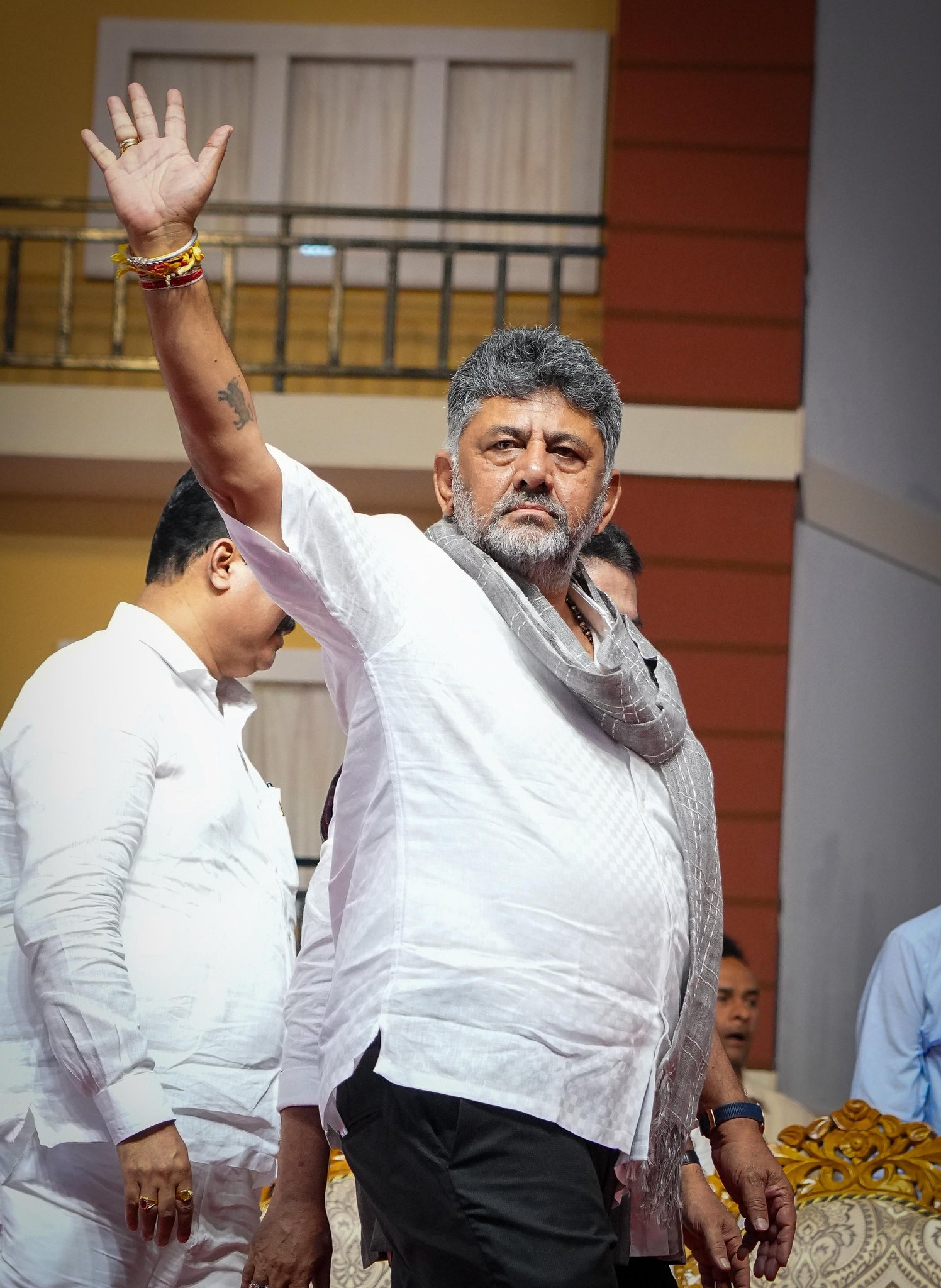
Bengaluru, May 2026 : Karnataka’s political landscape is on the brink of a major transformation, with the Indian National Congress preparing for a leadership transition that is expected to see Deputy Chief Minister and KPCC President D. K. Shivakumar elevated as the next Chief Minister, potentially ending months of intense speculation and internal friction within the ruling party.
The development marks a crucial phase in Karnataka politics, where the leadership question has remained unresolved for nearly six months, despite repeated efforts by the Congress high command to maintain unity between the two dominant power centres in the state—Shivakumar and incumbent Chief Minister Siddaramaiah.
According to senior party insiders, the Congress central leadership has now moved decisively towards a managed transition, while ensuring that the shift does not damage the party’s social coalition or electoral base. The decision is being handled with caution due to Siddaramaiah’s stature as a mass leader and his strong association with the AHINDA vote base—representing minorities, backward classes, and Dalits—which remains a cornerstone of the party’s support structure in Karnataka.
Over the past several months, statements from leaders aligned with both camps have occasionally escalated tensions, prompting concerns within the party about public perception and organisational discipline. The high command, therefore, is believed to have worked behind the scenes to ensure a smooth resolution that avoids open confrontation.
A key factor in the transition has been the public stance of several senior ministers belonging to influential social groups. Leaders such as Home Minister G. Parameshwara, PWD Minister Satish Jarkiholi, and Food Minister K.H. Muniyappa have stated that they will abide by the decision of the party leadership without dissent. Muniyappa, a senior Dalit leader and former Union Minister, has also clarified that he would not insist on a Dalit Chief Minister if a leadership change is finalised, effectively neutralising a sensitive internal demand that had begun to gain traction in some quarters.
Sources indicate that Siddaramaiah is likely to step down following a scheduled breakfast meeting on Thursday morning. He is expected to submit his resignation to the Governor soon after the meeting and may also address the media either before or after formally stepping down from office. While there is no official confirmation yet, political activity within Bengaluru has intensified, with supporters of Shivakumar reportedly celebrating and expressing confidence that he is set to take over as Chief Minister.
The speculation was further amplified after senior Congress leader and nine-time MLA R.V. Deshpande publicly stated that Siddaramaiah had already made up his mind to resign and honour his commitment to the party high command. His remarks added fresh momentum to ongoing discussions about an imminent leadership change.
Party insiders suggest that Siddaramaiah’s recent visit to Delhi played a critical role in shaping the outcome. During discussions with the central leadership, he is believed to have raised issues related to Cabinet restructuring and organisational changes, including the future role of Shivakumar as KPCC President. However, sources say that senior leaders of the Congress, including Rahul Gandhi, were firm in their view that the transition should take place smoothly and without prolonged negotiation.
AICC leaders Randeep Singh Surjewala and K.C. Venugopal are also believed to have played a key role in persuading Siddaramaiah, reminding him of the party’s past support during his tenure and urging him to facilitate a structured leadership handover in the larger interest of the organisation.
The Congress leadership has also reportedly ensured that Siddaramaiah and Shivakumar engaged in direct discussions in Delhi before making a joint public appearance, signalling unity and reducing the risk of internal discord becoming public.
In parallel, the party is working on a broader strategy to maintain the delicate caste and regional balance in Karnataka politics. There is discussion within the leadership about appointing Deputy Chief Ministers from Lingayat, AHINDA, and minority communities, in order to ensure inclusive representation and prevent any perception of marginalisation within the government structure.
Strategically, the leadership transition is also being viewed as part of a larger electoral roadmap for the Congress ahead of the 2028 Karnataka Assembly elections. Party strategists believe that Shivakumar, known for his organisational skills and strong grassroots network, could strengthen booth-level mobilisation and counter the opposition effectively.
However, challenges remain. Political observers note that Siddaramaiah continues to enjoy strong support within sections of the party and among the electorate, and his reported desire to complete a full five-year term could influence the post-transition dynamics. There is also concern that factional differences between the Siddaramaiah and Shivakumar camps may persist even after a formal change of leadership.
The Bharatiya Janata Party has already reacted to the developments, accusing the Congress of internal instability and suggesting that Karnataka may be heading towards political uncertainty or even early elections.
As the state awaits an official announcement, Thursday’s scheduled developments are expected to be decisive in determining the future leadership of Karnataka and the next phase of governance under the Congress.


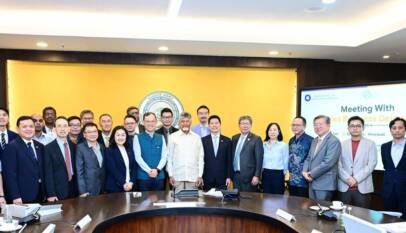

Adani group visits Hon’ble Deputy Chief Minister and Energy Department, Govt. of Odisha
Bhubaneswar, July, 2026 : Kharavel Bhawan, representatives from the Adani Group delivered …
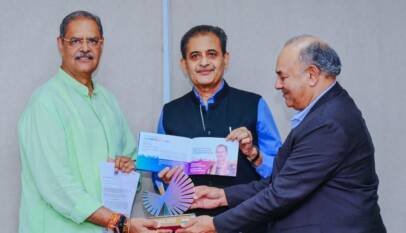
Adani group visits Hon’ble Deputy Chief Minister and Energy Department, Govt. of Odisha
Bhubaneswar, July, 2026 : Kharavel Bhawan, representatives from the Adani Group delivered a comprehensive …