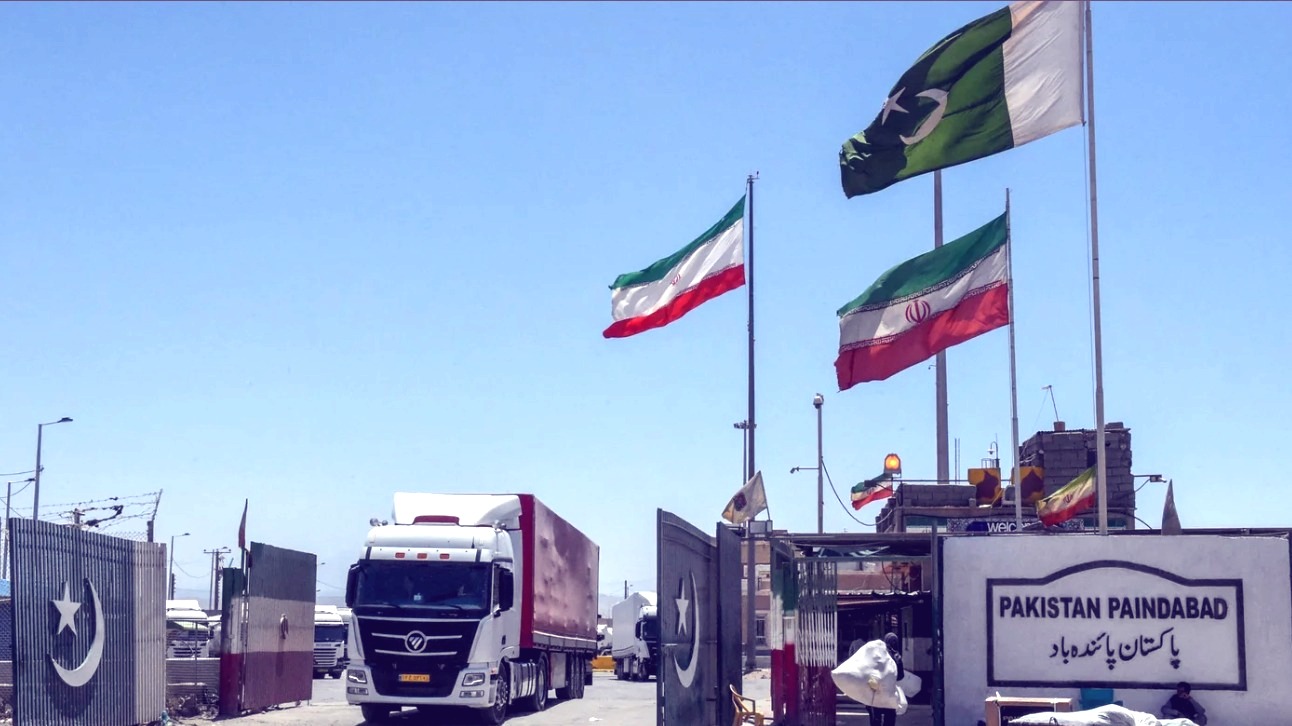
UAE Ports Lose Ground As Iran-Pakistan Land Corridor Reshapes Regional Transit.

Islamabad/Tehran; May 2026: The newly activated land corridor between Iran and Pakistan has reportedly broken the UAE’s maritime monopoly on West Asian transit, offering a route that bypasses the Strait of Hormuz and connects to China’s $60 billion economic corridor.
According to a report by Iran’s Fars News Agency, the corridor, which was activated on the basis of a 2008 road transport agreement between Iran and Pakistan, now links 06 land routes from Pakistan’s key ports of Gwadar, Karachi, and Port Qasim to Iran’s border crossings at Taftan and Gabd. The objective is to move goods from south to north without concern over US naval vessels or maritime restrictions.
A report by the Russian International Affairs Council (RIAC) confirmed that the first commercial shipment via the corridor has already reached Tashkent, the capital of Uzbekistan. The project’s turning point is its connection to the China-Pakistan Economic Corridor (CPEC). Through its south-eastern borders, Iran can now access a 3,000-kilometres network linking western China to the Indian Ocean.
Analysts say this connection opens a new route for trade between Tehran, Beijing, and Central Asian countries, reducing pressure from maritime sanctions. Pakistan, for its part, is using the corridor to move away from the unstable Afghan transit route. Having faced severe border tensions with Kabul in recent years, Islamabad now has a direct and secure path to the markets of Uzbekistan, Tajikistan, and Kyrgyzstan.
Meanwhile, Iran is pursuing the Chabahar-Zahedan railway project, which is more than 90 percent complete. Expected to be operational by the end of spring 2026, the rail line is part of the North-South Corridor and will connect southern Iranian ports to Russia and Central Asia.
Experts believe the combination of these two corridors: east-west and north-south, both will create a logistics triangle, upgrading Iran’s role from a transit country to a regional hub.
In this shifting landscape, the biggest loser appears to be the United Arab Emirates. Dubai and Abu Dhabi, which for years served as the primary transit and re-export hubs for goods bound for Iran and Central Asia, now face competition from a low-cost land corridor.
While experts stress that roads will never fully replace ships, they note that in times of crisis or heightened military tensions in the Strait of Hormuz, these land routes can keep trade flowing. Iran shutting down the strategic corridor to enemies and their allies in retaliation for the United States and the Israeli regime’s latest bout of unprovoked aggression against the country.
Earlier, on the 16th of this month (May 2026) – Iranian Interior Minister Eskandar Momeni had said that Iran and Pakistan agreed to take joint measures to facilitate border trade, transit, and exchange of goods between the two neighbouring countries.
Speaking after a meeting with his Pakistani counterpart Mohsin Naqvi in Tehran on the 16th May, Momeni said the two countries enjoy deep-rooted relations and the current visit by the Pakistani interior minister underscores amicable ties. He had added that he held “very good” discussions with the Pakistani minister on new crossings, border security, mutual relations, and trade exchanges.
The Iranian minister noted that the long borders between Iran and Pakistan are secure and that Tehran and Islamabad have “appropriate” capacities to make them even more secure.
Momeni hailed the very positive view that the Iranian and Pakistani governments and peoples hold toward each other, emphasising that the first message of the Leader of the Islamic Revolution, Ayatollah Seyyed Mojtaba Khamenei, regarding Pakistan contained a special emphasis on bilateral relations. Both Iran and Pakistan are determined to develop friendly political relations in addition to boosting economic and trade cooperation, he added, stressing the importance of providing necessary facilities along common border areas to further strengthen unity, solidarity, and brotherhood.
Naqvi, for his part, said the two sides held extensive discussions on various issues of common interest, including border security, and expressed hope that they would reach tangible solutions in this regard.
The Pakistani minister thanked his Iranian counterpart for his leading role in improving mutual relations.
Team Maverick.








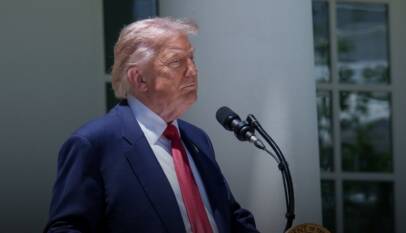
Trump Declares Strait of Hormuz Reopened Under US Protection, Imposes Full Blockade on Iranian Shipping
Washington, July 2026 : US President Donald Trump on Tuesday announced that the Strait of …
Trump Declares Strait of Hormuz Reopened Under US Protection, Imposes Full Blockade on Iranian Shipping
Washington, July 2026 : US President Donald Trump on Tuesday announced that the Strait …