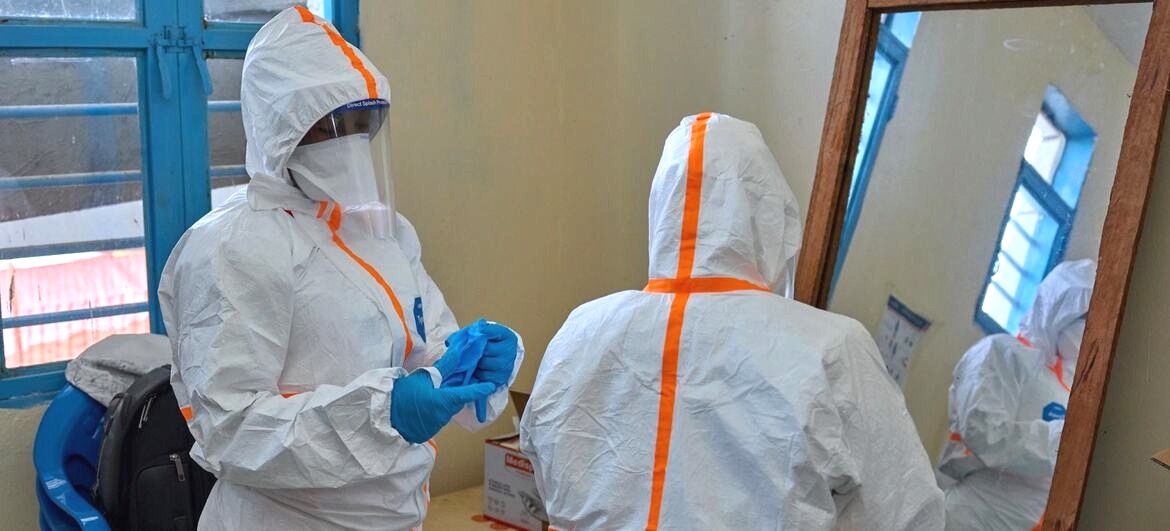
WHO Chief Reiterates That Ebola Outbreak In The Congo (DRC) Is Showing Signs Of Progress.

Bunia, DR Congo; June 2026: World Health Organization (WHO) Chief Tedros Adhanom Ghebreyesus have said yesterday (Wednesday – 03rd June 2026) that the Ebola outbreak in the Democratic Republic of the Congo (DRC) is showing signs of progress, but significant challenges remain in testing, surveillance, vaccine development and building community trust. A day after returning from DRC, Ghebreyesus briefed journalists in that he was encouraged by the Government of DRC’s commitment in combating the deadly epidemic, which has also spread to neighbouring Uganda.
“What I saw gave me hope. The outbreak had a big head start, and we’re still behind, but under the leadership of the Government of DRC, we are catching up”, the WHO Chief asserted.
The outbreak of Ebola was caused by the rare Bundibugyo strain of the Ebola virus for which there is no treatment although three vaccines are in development. Tedros said 344 cases have been confirmed in the DRC, including 60 deaths. Meanwhile, the number of suspected cases has now been reduced from over 1,000 last week to 116 as teams work through the backlog.
The epicentre of the outbreak is the eastern province of Ituri, with cases also in North and South Kivu provinces. It is unfolding amid ongoing violence by armed groups, other health threats such as malaria, and dire humanitarian needs. Three Ebola treatment centres are now operating in Ituri’s capital, Bunia, with a capacity of 80 beds. Treatment units also have been established in five other regional cities, and more are on the way.
Meanwhile, Uganda has recorded one confirmed death and 15 confirmed cases, including a Congolese resident who travelled there from the United Arab Emirates (UAE). An American citizen, who was infected in the DRC, continues to receive care in Germany.
WHO’s risk assessment is unchanged, remaining very high at the national level and high at the regional level while global risk is low. 06 people in the DRC and 02 in Uganda have recovered as per date, “showing that people can survive Ebola if they have access to care and go to health facilities as soon as they show symptoms”, Tedros said.
Furthermore, Tedros has outlined the ongoing challenges, noting that scaling up laboratory and diagnostic capacity is a key priority to ensure faster response. Action on contact tracing is required, which is especially difficult due to insecurity, displacement and population movements. He said the current follow-up rate, roughly 45%, needs to reach over 90% “to get ahead of the outbreak”.
WHO also asks countries that have imposed blanket travel restrictions to lift them because these measures are disrupting supply chains and hindering response efforts. The UN agency recommends exit screening at airports, ports and border crossings.
Tedros stressed the critical need to build trust with local communities to bring the outbreak under control. “Community mistrust is a serious barrier. Some community leaders told me that they believe Ebola is not real”. While no vaccines or therapeutics currently exist to treat the outbreak, WHO and partners are working to advance clinical trials as quickly as possible.
In this regard, Tedros yesterday (Wednesday, 03rd June 2026) convened a second meeting of a medical network, which was established in the wake of the COVID-19 pandemic, to strengthen diagnostics, immediately support affected countries in leading clinical trials and accelerate investment to support the overall response. “Although vaccines and therapeutics would be a big help, the key to ending this outbreak is not biomedical. It’s leadership, ownership, partnership and trust”, he said.
The DRC has faced 16 previous Ebola outbreaks and Tedros was adamant that this one will be stopped but ‘the real measure of success’ will be preventing future recurrence and addressing broader health needs. “If the people of Ituri survive Ebola only to die from malaria or malnutrition, or pneumonia or diarrheal disease or HIV or diabetes, we have not really helped them”, he said.
He underlined the commitment of WHO and partners to end the outbreak, under the leadership of the DRC authorities. “When it does end, we will remain equally committed to supporting the government and the local communities to build the health and humanitarian services they need and deserve”, he said.
Team Maverick.





Shivakumar Says Congress United, Assures Women Will Get Cabinet Berth
Bengaluru, Aug 2026 : Karnataka Chief Minister D.K. Shivakumar on Monday sought to dismiss…
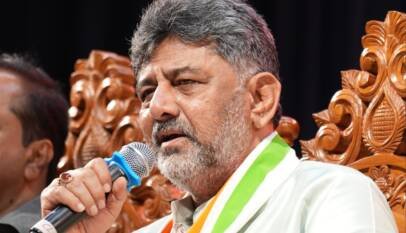
Shivakumar Says Congress United, Assures Women Will Get Cabinet Berth
Bengaluru, Aug 2026 : Karnataka Chief Minister D.K. Shivakumar on Monday sought to dismiss …