Trump Says Strait of Hormuz Could Reopen Within Days as US-Iran Nuclear Talks Advance

Washington, June 2026 : US President Donald Trump has expressed optimism about ongoing negotiations with Iran, saying that the strategically vital Strait of Hormuz could reopen immediately after the signing of a proposed agreement between the two countries. The remarks signal what the White House views as significant progress in efforts to curb Iran’s nuclear ambitions and reduce tensions across the Middle East.
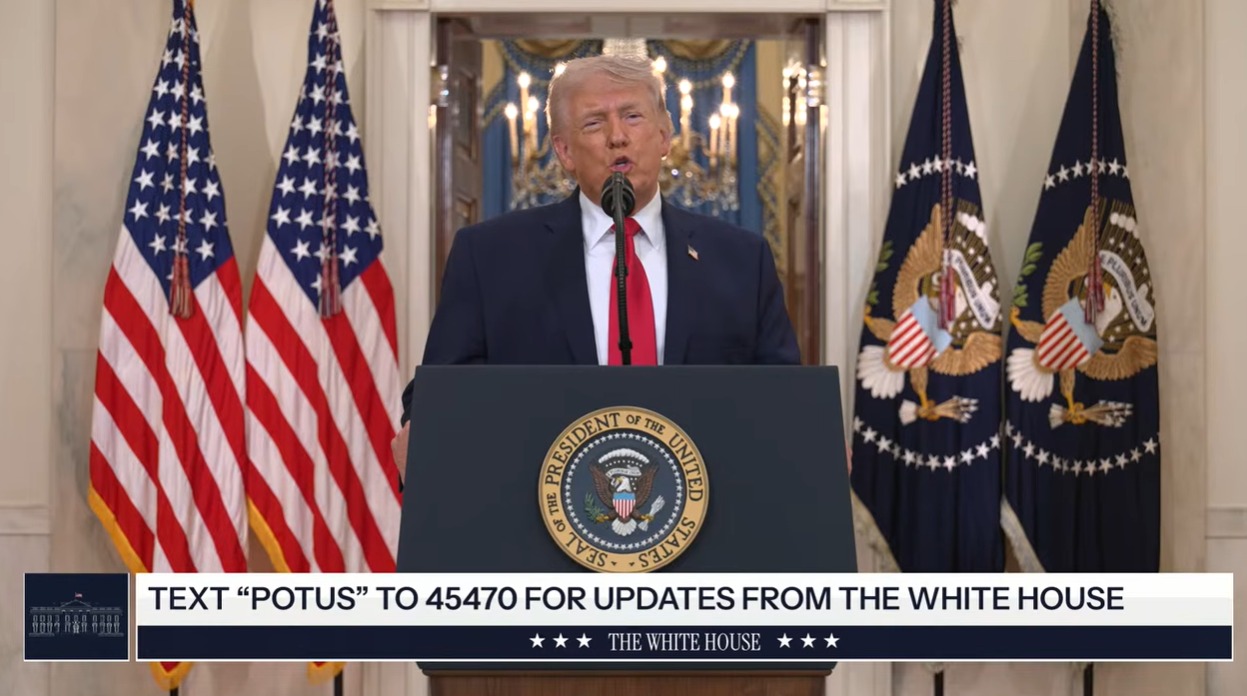
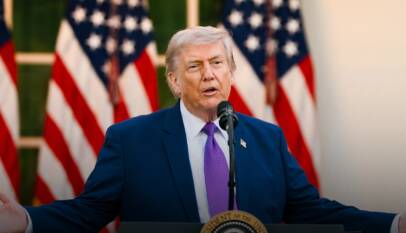
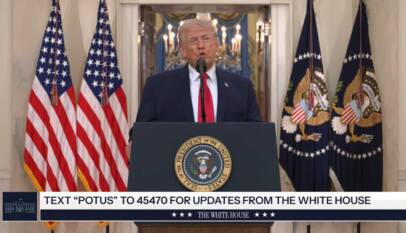
Speaking at the White House on Wednesday, Trump suggested that discussions between Washington and Tehran had entered a promising phase and that a breakthrough could come sooner than expected.
“Immediately upon signing the memorandum of understanding, the Hormuz Strait will open, and it will open up quickly,” Trump said, indicating that the reopening of the critical maritime corridor would be one of the first outcomes of any final agreement.
The Strait of Hormuz remains one of the world’s most important energy routes, serving as the gateway between the Persian Gulf and international shipping lanes. A substantial portion of global crude oil and liquefied natural gas exports passes through the narrow waterway. Any disruption to navigation in the strait has significant implications for international energy markets and major import-dependent economies.
Trump said the United States had already taken steps to facilitate the reopening of the route, including deploying minesweeping capabilities in the region. According to the President, most suspected naval mines had already been identified and cleared, paving the way for normal shipping operations once a political agreement is reached.
The President struck an optimistic tone regarding the pace of negotiations, stating that recent discussions with Iran had gone “very well.” While acknowledging that diplomacy can remain unpredictable, he suggested that an agreement could materialise within days.
“I hear the negotiation itself has gone very well, actually,” Trump said. “If it happens—and it might not happen—but if it does, it could happen over the weekend.”
At the heart of the proposed arrangement, Trump said, is a commitment that Iran would never acquire a nuclear weapon. He stressed that preventing Tehran from developing, purchasing, or obtaining a nuclear bomb remains the central objective of the talks.
“We will not have a nuclear weapon or bomb. We will not develop one, we will not buy one,” Trump said while describing the commitments sought from Iran. “Under our deal, they will never, ever have a nuclear weapon.”
In one of the most notable disclosures of his remarks, Trump suggested that the United States and Iran could cooperate directly in removing and destroying nuclear-related materials remaining at Iranian facilities. Such cooperation, if realised, would represent a major shift from years of hostility between the two nations.
“As it stands now, we will go in and sometime in the not-too-distant future,” Trump said. “It’s agreed that we will go in with them, we will get it, and we will destroy it. It will be destroyed.”
The President linked the current diplomatic momentum to recent US military operations targeting Iranian nuclear infrastructure and other strategic sites. He argued that American strikes had significantly weakened Iran’s nuclear programme and altered the strategic balance in favour of a negotiated settlement.
Referring to the operations, Trump praised the performance of US military forces, particularly the use of B-2 stealth bombers.
“The B-2 bombers did a job like nobody’s ever seen,” he said, claiming that the strikes inflicted extensive damage on Iran’s nuclear facilities. While acknowledging that some nuclear-related materials may remain difficult to access, he maintained that any residual capability would eventually be dismantled under a future agreement.
Despite recent military exchanges between Washington and Tehran, Trump argued that such incidents should not be allowed to derail diplomacy. He suggested that both sides understood the broader objective of avoiding a prolonged conflict and achieving a negotiated resolution.
The President also revealed what appeared to be an unprecedented diplomatic contact involving Hezbollah, the Iran-backed Lebanese movement that has been at the centre of regional tensions.
“We actually spoke with Hezbollah for the first time ever,” Trump said. He claimed that understandings had been reached to reduce hostilities between Hezbollah and Israel, though he indicated that such discussions remained separate from the broader US-Iran negotiations.
Trump praised Benjamin Netanyahu, describing the Israeli leader as “a great partner” and crediting close US-Israeli coordination with helping contain regional threats. He argued that joint actions by Washington and Jerusalem had prevented a wider escalation and created conditions conducive to diplomacy.
The President also used the opportunity to contrast the emerging framework with the nuclear agreement negotiated during the administration of former President Barack Obama. Trump reiterated his longstanding criticism of that accord, arguing that the new arrangement would provide stronger and more permanent safeguards against Iran acquiring nuclear weapons.
Economic considerations, Trump acknowledged, had also influenced his approach. He said he was mindful of the potential impact that military confrontation could have on global markets and investor confidence but believed the United States had successfully balanced security objectives with economic stability.
While emphasizing that preventing Iran from obtaining a nuclear weapon remained non-negotiable, Trump expressed confidence that diplomacy could deliver a solution that restores stability in the Gulf, reopens critical shipping routes, and reduces the risk of a broader regional conflict.
As negotiations continue, attention remains focused on whether Washington and Tehran can translate recent momentum into a formal agreement that reshapes security dynamics across the Middle East and secures the future of one of the world’s most important maritime corridors.
Peddi Review: Ram Charan Powers an Ambitious Sports Epic Rooted in Rural Pride and Personal Identity
Hyderabad, June 2026 : Indian star Ram Charan steps into unfamiliar yet emotionally rich t…

Peddi Review: Ram Charan Powers an Ambitious Sports Epic Rooted in Rural Pride and Personal Identity
Hyderabad, June 2026 : Indian star Ram Charan steps into unfamiliar yet emotionally rich …