Bessent Defends US Economy Amid Inflation Concerns, Says Iran-Related Price Surge Is Temporary

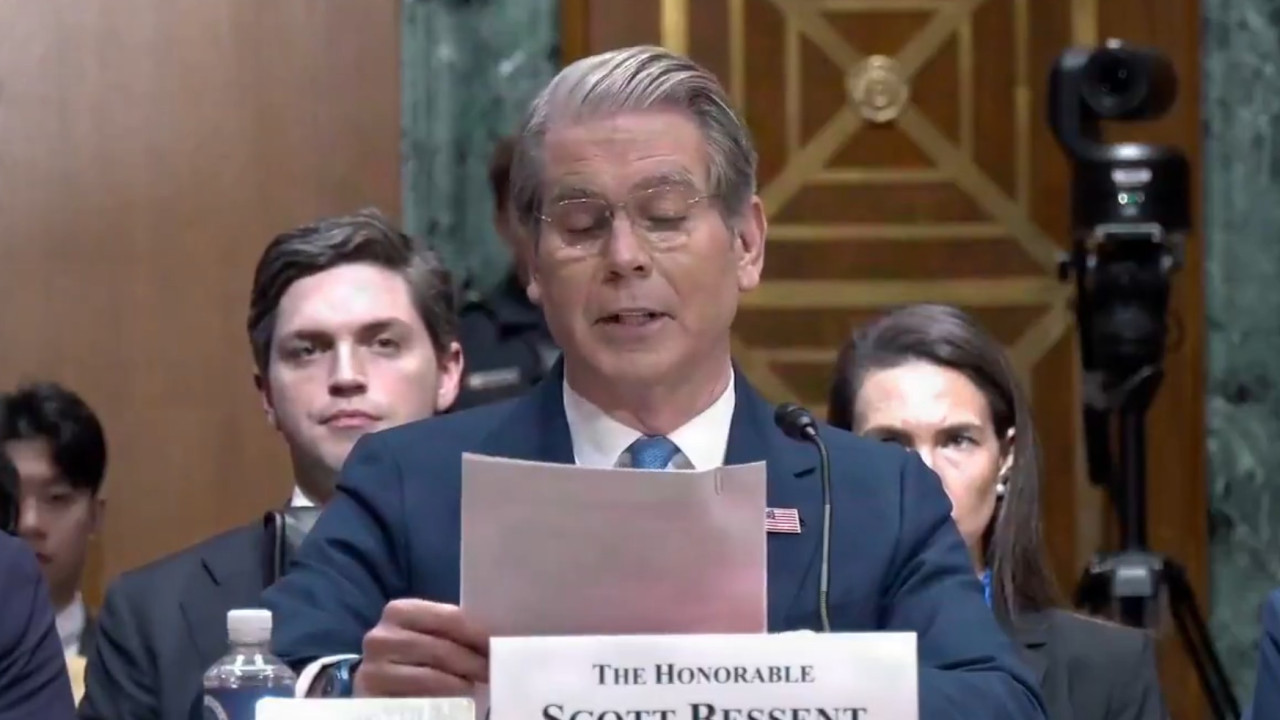
Washington, June 2026 : US Treasury Secretary Scott Bessent on Thursday strongly defended the Trump administration’s economic policies, arguing that recent increases in fuel and consumer prices linked to the conflict involving Iran are temporary and likely to ease as the geopolitical situation stabilises.
Bessent’s remarks came during a lengthy and often contentious hearing before the House Ways and Means Committee, where Democratic lawmakers repeatedly questioned the administration’s handling of the economy and its response to rising costs faced by American households.
The hearing focused heavily on inflation, energy prices and the broader economic impact of tensions involving Iran. Democratic members argued that the conflict had contributed to higher fuel costs and increased pressure on family budgets across the United States.
Acknowledging that energy markets had experienced disruptions, Bessent conceded that the conflict had played a role in pushing prices upward. However, he maintained that the impact would be short-lived and should not be viewed as a sign of long-term economic weakness.
“We are experiencing a short-term elevation of prices due to the Iran conflict that will come down,” Bessent told lawmakers.
The Treasury Secretary stressed that despite temporary market volatility, key indicators continued to point to a resilient US economy. He cited steady job creation, continued private-sector investment and wage growth as evidence that economic fundamentals remained strong.
“The economy is very strong,” Bessent said, rejecting suggestions that the administration’s policies had weakened economic conditions.
Democratic lawmakers challenged that assessment throughout the hearing. Committee ranking member Representative Richard Neal argued that American families were increasingly struggling with higher costs for everyday necessities and accused the administration of downplaying the burden on consumers.
“Workers and families are being forced to stretch their dollars further every day,” Neal said, linking rising expenses to both trade policies and geopolitical tensions.
Several Democratic representatives pointed to higher fuel prices as a visible sign of economic stress. Representative Judy Chu said consumers continued to face increased costs for gasoline, groceries and household goods, while Representative Brendan Boyle cited growing public concern about inflation and economic management.
Representative John Larson directly questioned Bessent about whether the conflict involving Iran had contributed to rising gasoline prices.
Bessent acknowledged the connection, replying, “It did rise because of the conflict, yes sir.”
Despite that admission, he argued that broader inflation trends remained under control and suggested that recent data showed improvement rather than deterioration.
According to Bessent, core inflation has declined since President Donald Trump returned to office, indicating that underlying price pressures were easing despite temporary fluctuations in energy markets.
“Core inflation has dropped 0.5 per cent since President Trump came to office,” he told the committee.
The Treasury Secretary also defended the administration’s broader approach toward Iran, framing the issue as one of national security rather than economics alone. He argued that preventing Iran from acquiring nuclear weapons and threatening critical energy routes was a strategic priority that justified temporary economic disruptions.
Bessent maintained that the long-term costs of allowing Iran to expand its nuclear capabilities or jeopardise global energy supplies would far outweigh short-term increases in fuel prices.
He further noted that energy markets had already begun adjusting and suggested that crude oil prices were moving lower, which would eventually be reflected in consumer fuel costs.
“Crude prices are down more than 20, and gasoline prices follow crude prices,” he said.
The hearing highlighted the growing political debate in Washington over the economic consequences of the Iran conflict. While Republicans largely backed the administration’s position and emphasised national security concerns, Democrats argued that ordinary Americans were bearing the financial burden through higher prices and increased household expenses.
As inflation and energy costs remain key issues ahead of future policy debates, the administration continues to insist that recent price pressures are temporary and that the broader US economy remains on a stable footing despite geopolitical uncertainties.







Shivakumar Says Congress United, Assures Women Will Get Cabinet Berth
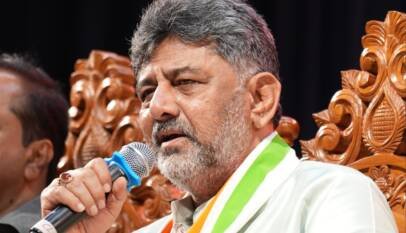
Bengaluru, Aug 2026 : Karnataka Chief Minister D.K. Shivakumar on Monday sought to dismiss…
Shivakumar Says Congress United, Assures Women Will Get Cabinet Berth
Bengaluru, Aug 2026 : Karnataka Chief Minister D.K. Shivakumar on Monday sought to dismiss …