Cage Culture Boosts Fish Production and Rural Incomes in Chhattisgarh

Chhattisgarh’s First Aqua Park to Be Established in Hasdeo-Bango Submergence Area
Raipur : Fish farming through cage culture is not only increasing fish production in Chhattisgarh but is also significantly boosting the income of rural communities. In a major development, Chhattisgarh’s first Aqua Park will be established in the Hasdeo-Bango submergence area, aiming to enhance fishery-based livelihoods while promoting aquaculture tourism.
Hundreds of villagers living around the Hasdeo-Bango reservoir have found a new source of income through fish farming, particularly using cage culture techniques. This method has created employment, generated revenue, and provided a sustainable livelihood. With growing demand for Tilapia, a fish species favored in international markets, especially the USA, local fish farmers are optimistic about expanding exports and increasing their income.
Under the Pradhan Mantri Matsya Sampada Yojana and with support from the District Mineral Foundation Trust, around 800 cages have been installed at the Nimukchar-Hasdeo Reservoir in Korba district. About 160 members from nine registered cooperative fishery societies of displaced villages have been allocated five cages each for fish farming.
These farmers have reported an annual net income of ₹88,000 to ₹90,000 per member. Cooperative members like Deepak Ram Manjhuar, Amar Singh Manjhuar, and Devmati Uike shared that cage culture has provided them with employment and financial stability. The income has been used for home construction and other necessities.
According to Fishery Officer Kranti Kumar Baghel, the region produces 1,600 metric tonnes of fish annually. Cage culture is providing daily employment to 70–80 people and daily supply to 15–20 local fish vendors. Fish varieties such as Pangasius (Basa) and Tilapia are being farmed here. Export of Tilapia to the USA has already begun, and future exports are expected to increase, drawing more rural participation and improving local incomes.
The Indian government has sanctioned ₹37.10 crore for setting up Chhattisgarh’s first Aqua Park in Etmanagar and Satrenga under the same central scheme. The park will include a feed mill, fish processing plant, hatchery, and Recirculating Aquaculture System (RAS) at Etmanagar. The processing unit will clean and pack fish fillets for export. Hatcheries will support seed production. More cages will also be installed in the Bango Dam to increase fish production.
In Satrenga, a popular tourist spot, an extension and awareness unit will be developed, including an aqua museum, angling stations, floating houses, motorboats, and cafes. Visitors can enjoy fresh fish, learn about aquaculture, and purchase their favorite varieties.
District Collector Ajit Vasant recently visited the site at Nimukchar and emphasized promoting cage culture and aqua tourism. He assured full administrative support for expanding landing centers, processing units, and the Aqua Park.
The Significance of Tilapia and Pangasius
Tilapia is ideal for farming in diverse environments (low oxygen, high temperature) and is rich in protein, omega-3, and other nutrients. It’s light in taste and easy to digest, making it suitable for health-conscious consumers. Fast-growing, it reaches market size in 6–8 months and is in high demand both domestically and internationally.
Pangasius (Basa) is a low-cost, low-bone fish that can be prepared in various ways, making it popular and accessible to a wider market.
With growing infrastructure and rising global interest, Chhattisgarh is poised to become a leading hub for sustainable fish farming and rural empowerment through aquaculture.



Prime Minister Modi Gives Maharashtra’s Development a New Direction: Chief Minister Devendra Fadnavis
Maharashtra Congratulates PM on Historic Longest Continuous Service New Delhi, June 2026: …
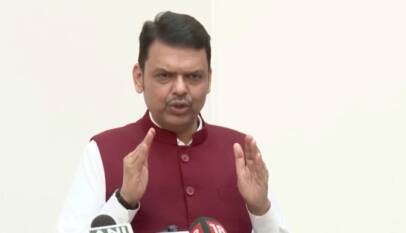
Prime Minister Modi Gives Maharashtra’s Development a New Direction: Chief Minister Devendra Fadnavis
Maharashtra Congratulates PM on Historic Longest Continuous Service New Delhi, June 2026: Maharashtra Chief …