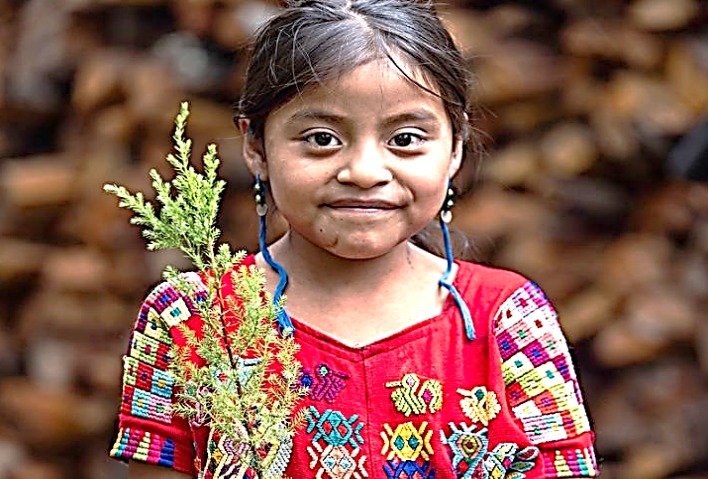
Indigenous Peoples Day highlights AI’s risks and opportunities.

Commemorating the International Day of the World’s Indigenous Peoples on 09th. August,2025, the United Nation have hosted a virtual commemoration on the theme AI: Defending Rights, Shaping Futures.
An estimated 476 million Indigenous Peoples live across 90 countries, representing 5,000 different cultures. Without proper safeguards, AI risks Indigenous rights through inequitable distribution of the groundbreaking technology, environmental damage and the reinforcement of damaging colonial legacies. The growing amount of electricity generation needed for AI data centres and other infrastructure is also intensifying climate change pressures, according to the UN.
When situated near Indigenous Peoples’ lands, AI data sites can exacerbate environmental degradation, negatively affecting the ecosystems they depend on. Moreover, decisions on AI are often made by governments and major tech companies excluding any consultation with Indigenous Peoples. This has meant Indigenous language, knowledge and culture are regularly included in AI datasets without consent, perpetuating patterns of appropriation and misrepresenting Indigenous Peoples.
Despite challenges and risks, AI also presents new opportunities. Worldwide, Indigenous Peoples have explored the use of AI, using it as a tool for preserving intergenerational knowledge, empowering youth, and preserving culture, language and identity. Safeguards for and innovations from Indigenous Peoples in the realm of AI are the focus of this year’s International Day of the World’s Indigenous Peoples, as well as recipients of the Equator Prize.
2025 Equator Prize –
To commemorate the day, the UN Development Programme (UNDP) has announced the Ten (10) community-based, Indigenous organisations those will be receiving the 2025 Equator Prize. This award honours environmentally grounded solutions led by Indigenous Peoples that promote sustainable development, with winners demonstrating this year’s prize theme, “Nature for Climate Action”.
Winners will receive $10,000, along with to be honoured at a high-level online ceremony later this year and may join global events, including the UN General Assembly and the UN Climate Change Conference (COP30), scheduled in Brazil later this year.
Prize recipients –
- Cooperativa de Mujeres Artesanas del Gran Chaco (COMAR) in Argentina, which supports Indigenous women through Matriarca, a brand turning traditional crafts into sustainable products.
- Associação Uasei dos Povos Indígenas de Oiapoque (Uasei) in Brazil, which fosters an Indigenous-led bioeconomy around native ACAI.
- The Hakhu Amazon Foundation in Ecuador and the First Agrobiodiversity Zone in Peru – which defends the Ecuadorian Amazon and Indigenous rights through advocacy, decolonial education and grassroots media.
- Bibifathima Swa Sahaya in India supports village farmers through multi-cropping, seed banks and solar-powered processing – combining traditional knowledge with regenerative agriculture and renewable energy.
- Mitra BUMMA in Indonesia supports community enterprises protecting 100,000 hectares of rainforest while also boosting local economies and governance. The Ranu Welum Foundation empowers Indigenous Dayak communities through forest conservation and cultural preservation.
- Sea Women of Melanesia Incorporation in Papua New Guinea, empowers women to lead marine conservation by combining traditional knowledge with modern science.
- Nature and People As One in Kenya, Africa, empowers pastoralist communities to restore drylands using traditional knowledge and affordable restoration methods, and Sustainable Ocean Alliance Tanzania restores marine ecosystems through sustainable seaweed farming and empowers coastal communities.
“On this important day, the 2025 Equator Prize winners are a reminder of the importance of honoring and recognizing the vision and leadership of Indigenous Peoples and local communities”, said Marcos Neto, UN Assistant Secretary-General and Director of UNDP’s Bureau for Policy and Programme Support.
Team Maverick




Yog and Khajuraho are Integral Pillars of Indian Culture: Chief Minister Dr. Yadav
Chief Minister Dr. Mohan Yadav has said that continuous efforts are underway to build a he…

Yog and Khajuraho are Integral Pillars of Indian Culture: Chief Minister Dr. Yadav
Chief Minister Dr. Mohan Yadav has said that continuous efforts are underway to build …