Nepal Restores Social Media Amid Deadly Protests; PM Orders Investigation

Kathmandu, Sept 2025 : Nepal’s Prime Minister K.P. Sharma Oli has ordered a high-level investigation into violent protests triggered by a temporary social media ban that left at least 19 people dead and dozens more injured. In an overnight letter, Oli said he was “deeply saddened” by the loss of lives and assured the public that the government “was not in favour of stopping the use of social media” and would create an enabling environment for its continued use. He also announced the formation of an investigation committee to probe the circumstances of the unrest.
The protests erupted after the government last week blocked access to several popular social media platforms, including Facebook, Instagram, WhatsApp, YouTube, Snapchat, Pinterest, X, and Tencent-owned apps. The ban followed the companies’ failure to register under new regulations aimed at curbing misinformation, fraud, and hate speech online. Authorities had directed the Nepal Telecommunications Authority to deactivate unregistered platforms, but offered little clarity on the scope or timeline of the restrictions.
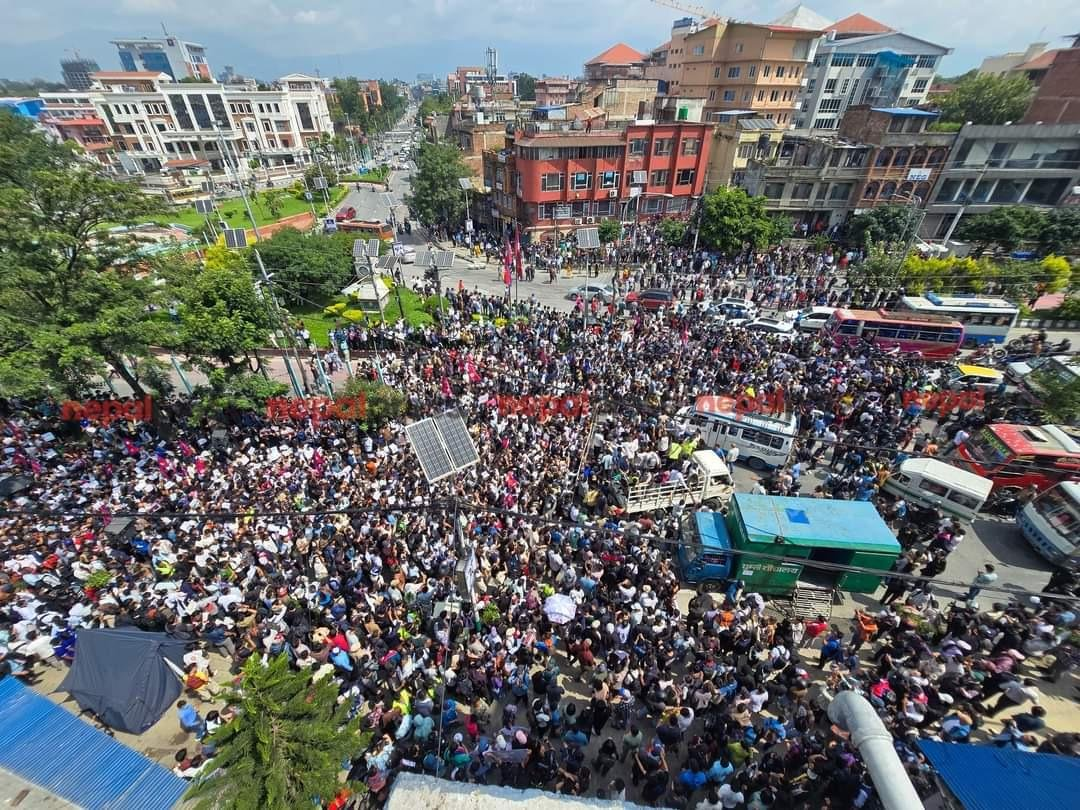
The ban sparked outrage among young Nepalis, particularly students and Gen Z activists, who took to the streets in Kathmandu and other cities. Many wore school and college uniforms as they joined what organisers described as “demonstrations by Gen Z”. Protesters attempted to storm the parliament complex, breaking barricades and setting fire to an ambulance. Security forces responded with water cannons, batons, tear gas, and rubber bullets. The army was deployed and a strict curfew imposed in the capital to restore order.
By Sunday evening, at least 19 people had been killed in clashes, making it one of the deadliest episodes of political unrest in Nepal in recent years.
While the government justified its crackdown by citing the spread of fake IDs, fraud, and hate speech on social media, critics accused it of attempting to stifle dissent. Many young protesters said the demonstrations reflected their deeper frustration with the government’s failure to address corruption, unemployment, and economic stagnation.
Following the bloodshed, authorities announced that access to the banned platforms had been restored, pending compliance with registration rules. Prime Minister Oli has promised that accountability will be fixed and lessons learned from the unrest.
The protests highlight the growing disillusionment among Nepal’s youth, who see social media not only as a tool of communication but also as a space for political expression and mobilization.
Team Maverick.



Rajya Sabha Passes Bill to Make Insulting ‘Vande Mataram’ a Punishable Offence Amid Opposition Walkout
New Delhi, July 2026 : The Rajya Sabha on Wednesday passed the Prevention of Insults to Na…
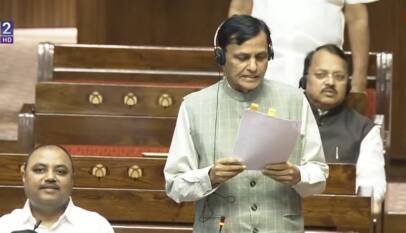
Rajya Sabha Passes Bill to Make Insulting ‘Vande Mataram’ a Punishable Offence Amid Opposition Walkout
New Delhi, July 2026 : The Rajya Sabha on Wednesday passed the Prevention of …