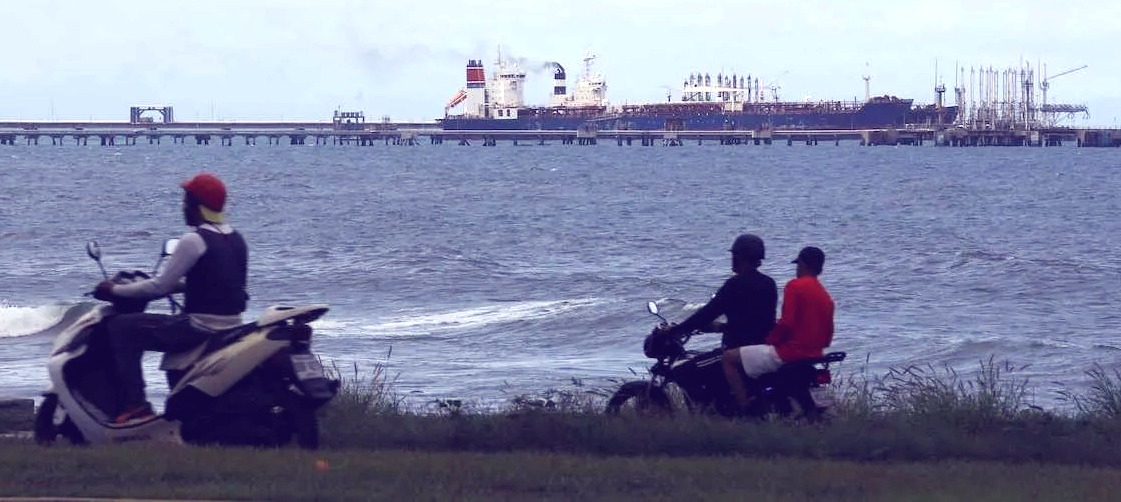
International Oil Markets Doesn’t Resonates With Geopolitical Uncertainty.

December 2025: In the 2025, US have sanctioned top two Russian oil firms, a war had been escalated between Israel and Iran, and America seizing Venezuelan oil tankers; those which could have been enough to spike oil prices; yet, the global oil prices declined.
Brent crude, the global benchmark for oil prices, is down nearly 20% this year to just over $60 per barrel. Prices even dipped below $60, before tensions between the UAE and Saudi Arabia in Yemen pushed them a bit above. If prices fall much lower, drilling for more oil will no longer be profitable for many energy companies.
“There have been a number of events since 2022 that have threatened to cut off the flow of oil, but that cut off has not materialised”, said Eurasia Group’s energy expert Greg Brew. “So, this has made the market even more risk tolerant. It has created a greater degree of risk resilience, particularly when it comes to these day to day events”.
The consequences could be huge. Tumbling prices will discourage firms from production and strain economies that rely heavily on their oil industries, including the United States, Russia, Iran, and several Gulf states. Meanwhile China has shifted sharply toward renewables like solar and wind, leaving it less exposed to oil risks.
Why have the prices dropped? First, major producers have catapulted their supplies: US production continues to set new records, while Organization of the Petroleum Exporting Countries-plus (OPEC+), the cartel of oil-producing states, has increased production to regain market share. What’s more, oil from sanctioned countries like Russia and Iran, known as “dark oil” has continued to find its way onto the market. Demand, meanwhile, hasn’t kept up, as concerns over the global economy curtail some investments and as major buyers of Russian oil, notably India, are wary of circumventing Washington’s sanctions.
Why have geopolitical shocks done little? Oil markets have become increasingly focused on fundamentals, says Brew, meaning “the shape of demand, expectation of supply, and the degree to which the two are balanced out”. This year’s geopolitical shocks only threatened oil supplies, but never disrupted them. During the Israel-Iran war, for example, there were fears that Israel would hit Iranian energy sites; defacto Iran is one of the top 10 oil producers worldwide, and that Tehran would close the Strait of Hormuz, through which a fifth of global shipping passes. These concerns caused a brief spike in oil prices. When neither scenario materialised, prices retreated.
“While there was an increase in price during those two weeks, there was no physical disruption”, said Brew. “And as soon as the war ended, or seems to be close to an end, the oil price quickly fell as this increase in risk premium burned off”.
But, but, but. This phenomenon isn’t new. Oil prices spiked when the Gulf War began in August 1990, but plummeted when the US forced Iraqi troops out of Kuwait the following February. The difference this year is that there have been several conflicts, and prices have continued falling.
What will happen next? Given that there’s a glut of oil including 1.4 billion barrels at sea, about 24% above the seasonal average, Brew expects prices to drop further, sitting between $50 and $60 next year.
“The broader expectation is that the excess supply is going to pull prices down through the first half of next year. At which point, though, a balance will start to be sort of reimposed in markets”. That process may already be underway: OPEC+ said that it plans to stop increasing its output early next year.
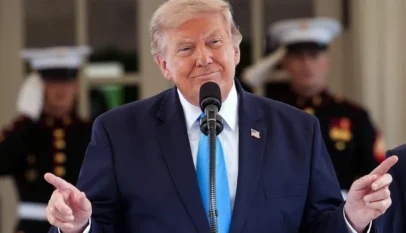
More Drilling becomes omnipotent; Low oil prices are a welcome news for US President Donald Trump, in particular, as he understands the importance of energy costs to a political leader’s political fortunes. When gas prices were high during former President Joe Biden, Trump relentlessly hammered the Democratic leader on the issue, reframing the GOP’s traditional “three Gs” of “God, guns, and gays” to “God, gas, and groceries”. Biden’s approval ratings cratered, contributing to his decision to abort his re-election bid.
These low oil prices have also given Trump extra leverage to carry out his foreign policy agenda. Imposing sanctions on Russian oil would have been a lot trickier politically if oil was still trading above $100, as it was early in the Russia-Ukraine war, one reason Biden avoided such moves. It has also allowed him to take more aggressive actions against oil-rich Venezuela: the CIA even struck a Venezuelan port last week, marking the first confirmed US operation inside the country.
Team Maverick.




Pakistan Appoint Mike Smith as Test Batting Coach Amid Batting Crisis
Mumbai, Aug 2026 : Pakistan have appointed former South African first-class cricketer and …

Pakistan Appoint Mike Smith as Test Batting Coach Amid Batting Crisis
Mumbai, Aug 2026 : Pakistan have appointed former South African first-class cricketer and Level …