New Delhi/Mogadishu, Aug 2026 : The Ministry of External Affairs (MEA) on Friday confirmed that 22 Indian nationals are on board two foreign-flagged vessels that were reportedly hijacked by armed pirates in waters off Somalia and the Gulf of Aden. The ministry said all the Indian citizens were safe and that efforts were underway to ensure their security and well-being.
The two incidents involve the Eritrea-flagged oil products tanker MT Sibu 1, carrying 20 crew members, and another vessel, MV Lutuf, which was seized off Somalia's Puntland region.
According to information available with the MEA, MT Sibu 1 was reportedly hijacked on Thursday by six armed pirates while sailing in the Gulf of Aden, approximately 30 nautical miles off the coast of Yemen. The vessel had a crew of 20, including 16 Indian nationals, along with one Syrian, one Sudanese and one Iraqi national.
The second vessel, MV Lutuf, was reportedly seized off the coast of Somalia's Puntland region. It had 10 sailors on board, including six Indian nationals.
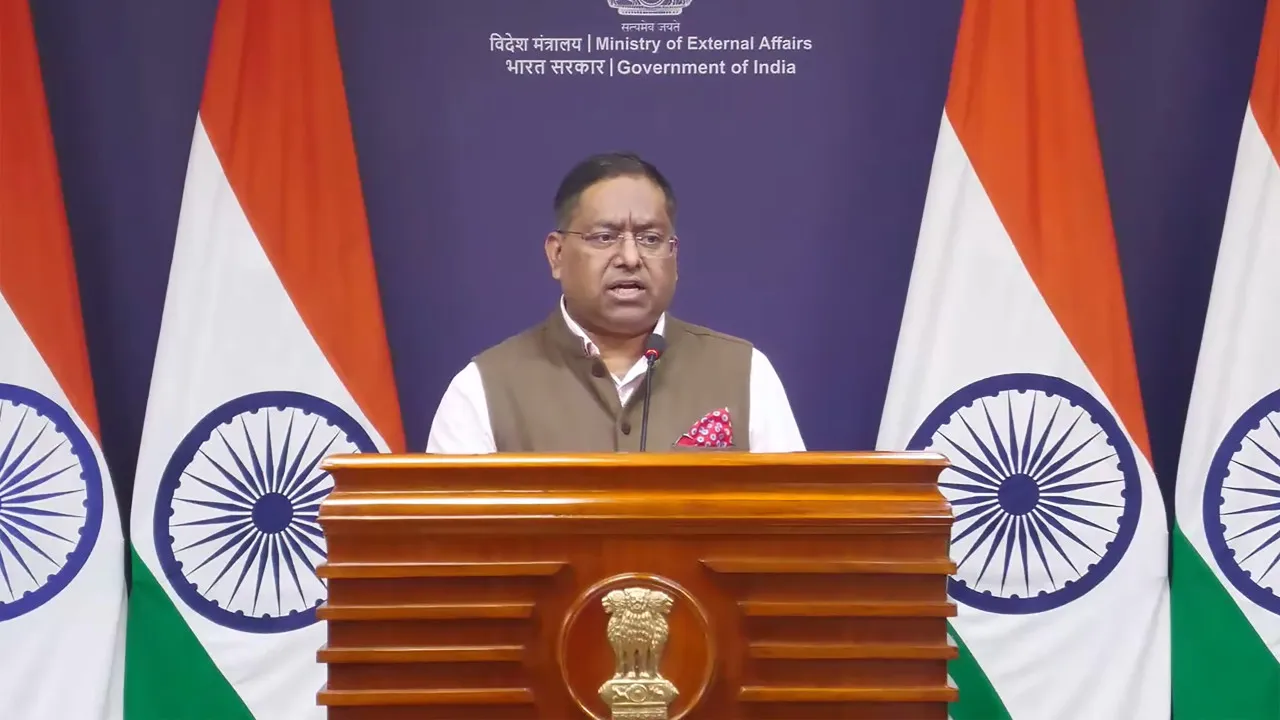
MEA spokesperson Randhir Jaiswal said the government was closely monitoring developments and maintaining contact with relevant authorities.
“These are two ships flagged abroad, meaning they are flying the flag of another country. There are 22 Indian citizens on board — 16 on one ship and six on the other,” Jaiswal said during the ministry's bi-weekly media briefing in New Delhi.
“What we have learnt so far is that all 22 of our citizens on board are safe. We are in touch with the relevant authorities on this matter so that we can ensure the safety and well-being of our people,” he added.
The MEA reiterated that the safety of Indian seafarers and vessels remains a high priority for the government. Indian diplomatic missions are maintaining contact with the Ministry of Shipping, maritime authorities in the countries concerned and other relevant agencies to coordinate assistance whenever required.
Meanwhile, the European Union's anti-piracy naval force, Operation Atalanta, confirmed that it had launched an investigation into the reported hijacking of MT Sibu 1 and was monitoring the vessel.
According to the EU naval force, the tanker had initially issued a distress call on VHF Channel 16 while travelling westward. The crew reported that an unauthorised vessel was approaching them.
The six armed individuals subsequently boarded the tanker, reportedly took control of the vessel and redirected it towards Somalia, according to information released by the EU anti-piracy operation.
Operation Atalanta urged vessels operating in the region to remain particularly vigilant and follow established maritime security procedures.
“Vessels operating in the area are advised to maintain heightened vigilance, adhere to Best Management Practices for Maritime Security, and immediately report any suspicious activity or relevant information,” the naval force said.
The latest incidents have once again highlighted the continuing security challenges facing commercial shipping in the Gulf of Aden and the wider western Indian Ocean. The region remains a strategically important maritime corridor connecting the Indian Ocean with the Red Sea and the Suez Canal.
Piracy and maritime security threats have previously forced shipping companies to reassess routes, resulting in higher insurance premiums and increased operational costs. At various points, security concerns have also encouraged shipowners to avoid the Suez route and instead send vessels around the southern tip of Africa, adding considerable distance and time to voyages.
International naval forces have maintained deployments in the region to deter piracy, protect commercial shipping and respond to maritime security incidents.
Somali piracy has historically operated largely through a hijack-for-ransom model, with armed groups relying on networks onshore to support crews guarding captured vessels. Supplies such as food, water and fuel are often provided during prolonged hostage situations, while the narcotic plant khat has also been reported as part of the logistical support for armed guards.
With the latest incidents involving Indian seafarers, Indian authorities are continuing to coordinate with international and regional agencies to monitor the situation and ensure the safety of all 22 Indian nationals.