New Social Science book highlights Sikh Gurus’ resistance and martyrdom; BJP leaders call for greater awareness of Sikh contributions to Indian history
New Delhi, Sept 2026 : BJP leaders on Wednesday welcomed the National Council of Educational Research and Training’s (NCERT) new Class 9 Social Science textbook, which includes detailed references to the history of Sikh Gurus, their martyrdom and their resistance during the Mughal period.
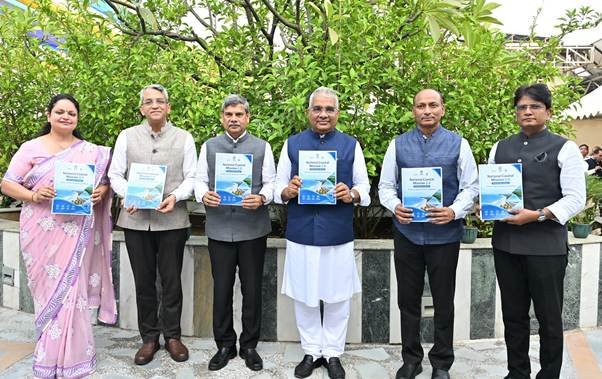
The new textbook, titled Understanding Society: India and Beyond – Social Science Textbook for Grade 9, Part 2, was released on Tuesday. Its chapter, “Resistance and Resilience (1000–1700 CE),” examines episodes of resistance in medieval India and includes accounts of the persecution and martyrdom of Sikh Gurus.
The textbook discusses Guru Arjan Dev, Guru Hargobind, Guru Tegh Bahadur and Guru Gobind Singh and links the sacrifices of Sikh Gurus with the development of organised resistance within the Sikh community. It also refers to Guru Hargobind’s detention at Gwalior Fort under Mughal emperor Jahangir.
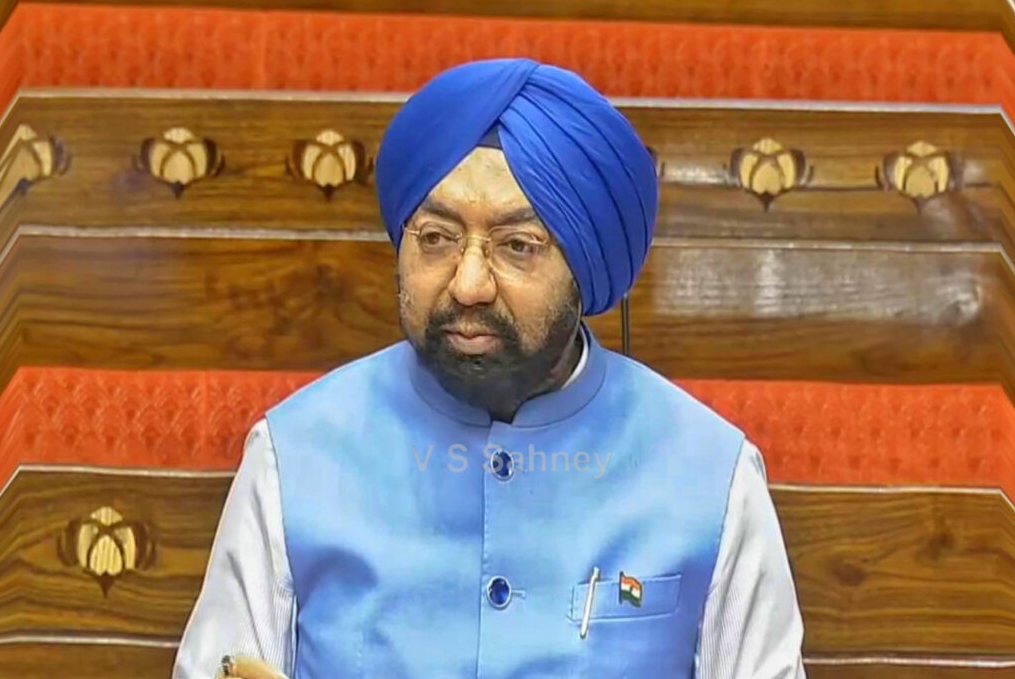
BJP Rajya Sabha member Vikramjit Singh Sahney welcomed the move, saying he had earlier raised the issue of greater representation of Sikh history in school textbooks.
Sahney said he was satisfied that NCERT had decided to include chapters dealing with Sikh history in the school curriculum. According to him, he had raised concerns after becoming an MP over what he described as inadequate or distorted representation of aspects of Sikh history.
He specifically referred to the treatment of Guru Tegh Bahadur and Guru Gobind Singh in earlier educational material, highlighting their sacrifices and contributions to religious freedom. Sahney said the decision by NCERT and the Education Ministry was significant in ensuring that students learn about the sacrifices of the Sikh Gurus.
He also referred to the government’s observance of Shaheed Veer Bal Diwas in memory of the Sahibzadas and said the inclusion of Sikh history in school textbooks was part of a broader effort to familiarise students with their contribution.
Sahney also pointed to the inclusion of Sikh history as an elective subject at Delhi University.
BJP leader Rana Gurmeet Singh Sodhi also welcomed the inclusion of Sikh history in textbooks. He said students should learn about the sacrifices made by Sikh Gurus and members of the Sikh community in defending their faith and helping vulnerable and oppressed sections.
Sodhi cited Guru Tegh Bahadur, the four Sahibzadas, Guru Gobind Singh, Guru Arjan Dev, Banda Singh Bahadur, Hari Singh Nalwa and General Ahluwalia as examples of figures associated with Sikh history and military and social contributions.
He also referred to the participation of Sikh soldiers and the wider Sikh community in India’s military history, including the conflicts of 1962, 1965, 1971 and the Kargil War.
BJP National Spokesperson Guru Prakash Paswan said Indian history contained numerous figures and traditions whose contributions, in his view, had not received sufficient attention in educational narratives.
He cited figures associated with the Bhakti movement and Guru tradition, including Kabir and Ravidas, and women such as Jhalkari Bai, Kalavi, Janabai and Soyarabai. Paswan argued that greater representation of diverse historical figures would help students develop a broader understanding of India’s past.
BJP spokesperson Pratul Shah Deo said Sikh history was an integral part of Indian history and suggested that Maharaja Ranjit Singh should also receive greater attention in school textbooks. He described Ranjit Singh as a significant ruler who resisted invading forces and expanded the Sikh Empire.
Deo said students should be familiar with the country’s historical traditions and the contributions of different communities.
He also criticised earlier interpretations of medieval Indian history, particularly the manner in which certain Mughal rulers and other historical figures had been presented in textbooks. His comments reflected a broader BJP argument that school curricula should be revised to include accounts of resistance, sacrifice and regional contributions.
The latest NCERT textbook is part of the ongoing curriculum revision under the National Education Policy framework. NCERT’s stated objectives for Social Science education include developing students’ ability to source and validate information, interpret evidence and construct logical explanations, while promoting critical and reflective thinking.
The inclusion of Sikh history has therefore become part of a wider discussion over how medieval Indian history should be presented to school students and how different communities, traditions and historical experiences should be represented in the curriculum.