
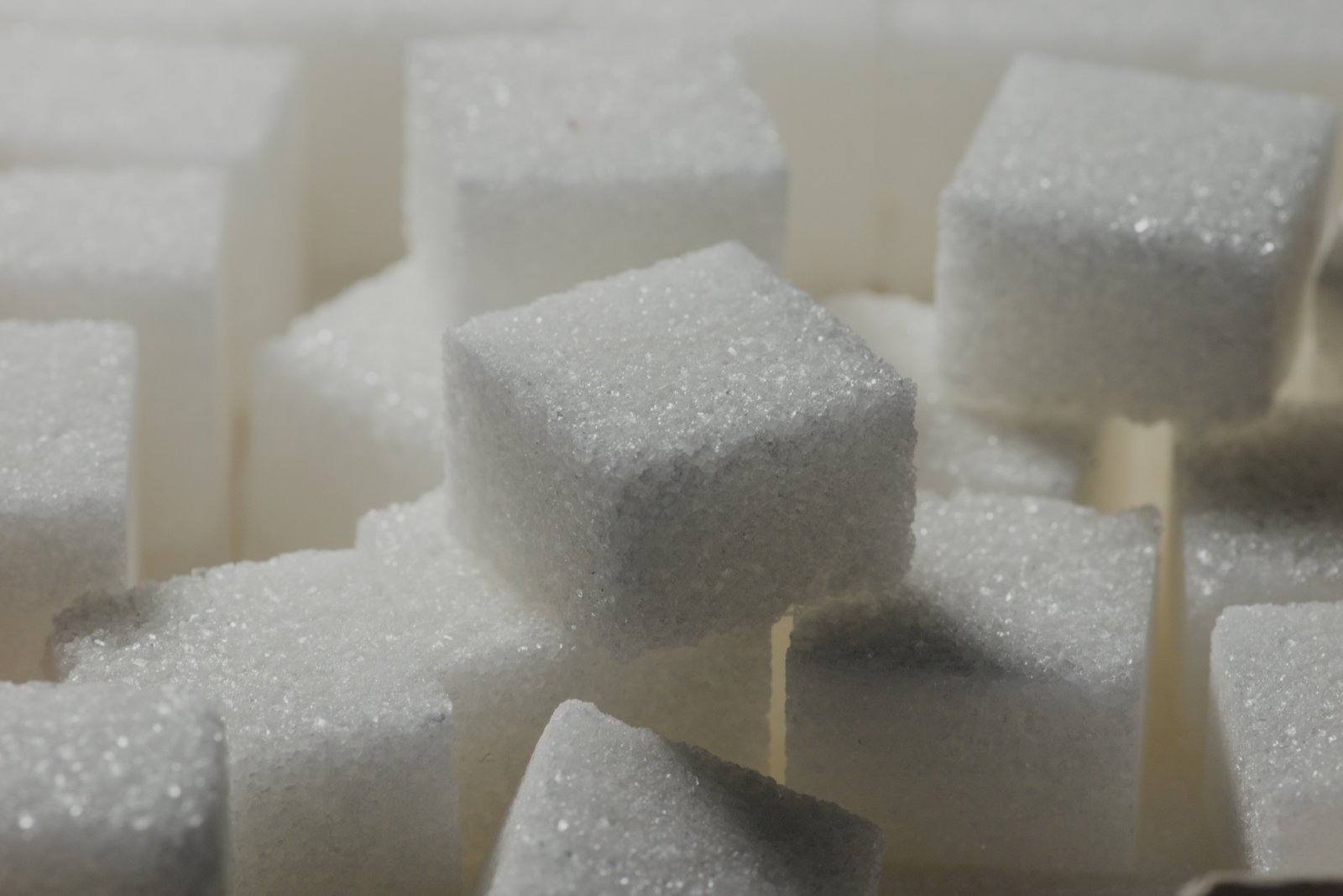
New Delhi, Aug 2026 : Giving up or substantially reducing added sugar is often promoted as a simple way to achieve a sharper jawline, slimmer cheeks or a more defined face. However, while cutting down on sugary foods and beverages can support overall weight management, it does not specifically target facial fat, according to Dr Richa Chaturvedi, Senior Consultant, Endocrinologist, Indraprastha Apollo Hospitals, Delhi.
The appearance of the face can change when a person reduces their intake of added sugar, but the effect is generally indirect. Cutting down on sugary drinks, desserts and highly processed foods may reduce overall calorie consumption. Over time, if this contributes to gradual weight loss, some people may notice that their face also appears leaner.
“When people reduce sugary drinks, desserts and highly processed foods, they may naturally consume fewer calories,” Dr Chaturvedi said. “This can contribute to overall weight loss over time, which may eventually make the face appear leaner.”
Why Cutting Sugar May Change Facial Appearance
A person may notice changes in their face even before substantial fat loss takes place. One possible reason is a change in fluid retention.
Diets that contain large amounts of refined carbohydrates and highly processed foods can influence the body's fluid balance. Reducing these foods may decrease water retention in some individuals, temporarily making the cheeks and jawline look more defined.
“This reduction in fluid retention can sometimes make the cheeks and jawline appear more defined,” Dr Chaturvedi explained.
However, this visible difference should not automatically be interpreted as facial fat loss. A reduction in puffiness and a reduction in body fat are two different processes.
You Cannot Choose Where Your Body Loses Fat
One of the most common misconceptions surrounding facial slimming is that a particular food, diet or exercise can selectively burn fat from the face.
According to Dr Chaturvedi, fat loss does not occur in a targeted manner.
“Fat loss does not happen selectively from one area of the body,” she said. “Where a person loses fat first or most noticeably depends on several factors, including genetics, age, hormones and overall body composition.”
Therefore, reducing added sugar can contribute to the calorie deficit necessary for weight loss, but it cannot instruct the body to burn fat specifically from the cheeks, chin or jawline.
“Dietary changes cannot selectively burn fat from the face or change the underlying structure of the jawbone,” she added.
This means that people hoping to achieve a sharper jawline by simply eliminating sugar may not see the dramatic transformation they expect.
Sugar and Skin Health
The relationship between sugar and facial appearance is not limited to body fat. Dietary patterns and metabolic health can also influence skin health.
Persistently elevated glucose levels can contribute to a process known as glycation, in which sugar molecules interact with proteins in the body. Collagen and elastin, two proteins that contribute to the skin's firmness and elasticity, can be affected by this process.
“Persistently elevated glucose levels can contribute to glycation, in which sugar molecules interact with proteins in the body,” Dr Chaturvedi said.
Over time, changes associated with glycation may affect the quality and structure of these proteins. This highlights the broader relationship between dietary habits, metabolic health and skin health.
However, reducing added sugar should not be viewed as a standalone anti-ageing solution.
“Reducing excess added sugar can support overall metabolic and skin health, but it is not an anti-ageing treatment on its own,” she said.
Not All Sugar Is the Same
Another important distinction is between added sugars and naturally occurring sugars found in nutritious foods.
Whole fruits, for example, contain naturally occurring sugars along with fibre and other nutrients. Dairy products can also contain naturally occurring sugars while providing nutrients such as protein, calcium and other essential components.
“The naturally occurring sugars in whole fruits and dairy come alongside nutrients such as fibre, vitamins, minerals or protein, depending on the food,” Dr Chaturvedi explained.
Added sugars, on the other hand, are commonly present in sweets, sugary beverages, desserts and many highly processed foods. These foods can significantly increase calorie intake without providing the same nutritional benefits.
As a result, completely eliminating every source of sugar from the diet is not necessarily required to achieve better health or support healthy weight management.
Is a Zero-Sugar Diet Necessary?
Instead of trying to eliminate every gram of sugar, experts recommend focusing on reducing excess added sugar while maintaining an overall balanced eating pattern.
“The more useful goal is to reduce added sugar while maintaining a balanced diet,” Dr Chaturvedi said.
A healthy dietary pattern should include sufficient protein, fibre and whole foods, along with appropriate hydration. Focusing exclusively on eliminating one ingredient can make eating unnecessarily restrictive and difficult to sustain.
An extremely restrictive diet may also distract from other important aspects of healthy weight management.
What Can Help Make the Face Look More Defined?
A naturally leaner-looking face is more likely to result from broader changes in body composition and lifestyle rather than eliminating a single food ingredient.
Several factors can influence how the face looks:
Overall body fat: Gradual and sustainable weight loss, when appropriate, can reduce facial fat along with fat elsewhere in the body.
Hydration: Adequate fluid intake supports normal bodily functions and may help avoid changes in appearance associated with dehydration or fluctuations in fluid balance.
Sleep: Poor sleep can affect appetite, energy levels and metabolic health, potentially influencing weight-management efforts.
Diet quality: A balanced diet based largely on whole foods can support healthy weight management and overall wellbeing.
Added sugar intake: Reducing sugary drinks, sweets and highly processed foods can make it easier for some people to manage calorie intake.
The Bottom Line
Reducing or quitting added sugar may make some people's faces appear slimmer, particularly when the change leads to lower calorie consumption, gradual overall fat loss or reduced puffiness.
However, there is no dietary shortcut that specifically burns fat from the cheeks, chin or jawline. The body's pattern of fat loss varies from person to person and is influenced by genetics, age, hormones and overall body composition.
“As a broader health strategy, reducing excess added sugar is beneficial, but the focus should be on sustainable lifestyle changes rather than expecting a dramatic facial transformation,” Dr Chaturvedi said.
Ultimately, a sharper jawline or leaner-looking face, when it occurs, is more likely to reflect a combination of changes in overall body composition, hydration, sleep and dietary habits than simply removing sugar from the diet.
Health Disclaimer: This article is for general informational purposes only and is not a substitute for professional medical advice, diagnosis or treatment. Consult a qualified healthcare professional before making significant dietary or lifestyle changes.