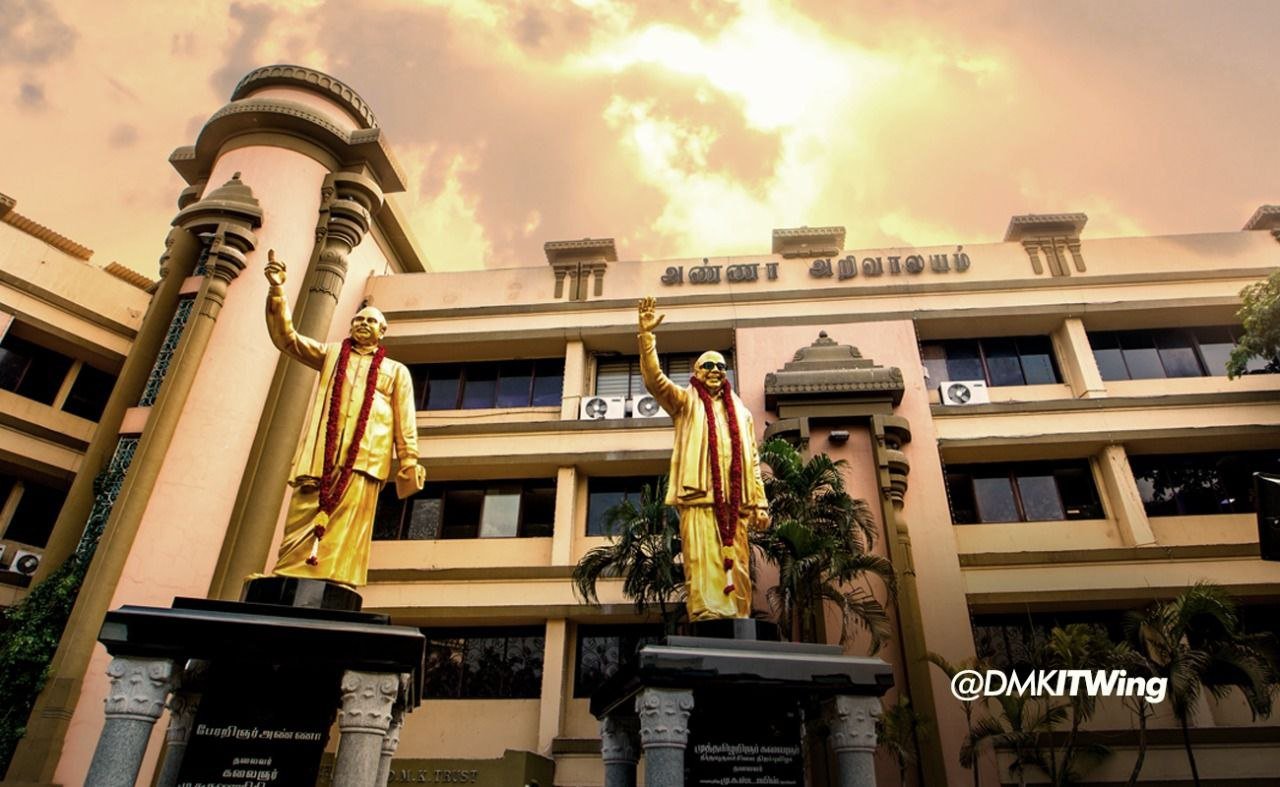
Chennai, Aug 2026 : The DMK executive committee is set to meet on Saturday amid expectations that the party leadership may approve a major organisational restructuring following its defeat in the 2026 Tamil Nadu Assembly elections.
The proposed overhaul could significantly expand the number of DMK district units from the existing 78 to around 110. According to party sources, under the proposed arrangement, each district secretary would oversee two or three Assembly constituencies, allowing for closer monitoring of party activities and stronger coordination at the grassroots level.
The meeting comes at a time when sections of the party have been calling for organisational elections and changes to the existing administrative structure. The leadership is reportedly considering a more decentralised system to strengthen the party's presence across constituencies and improve communication between grassroots functionaries and the party headquarters.
The restructuring plan follows a detailed assessment of the performance of former ministers, district secretaries and other key functionaries during the previous DMK government as well as the 2026 Assembly election campaign.
Reports prepared independently by senior DMK leaders and the party's political strategy firm, PEN, are understood to have been submitted to party president M.K. Stalin. The reports are believed to contain assessments of the performance of incumbent office-bearers and feedback from grassroots workers in several districts.
Based on the data and internal feedback, changes have reportedly been recommended in a number of district units. The review process is also believed to have contributed to the delay in announcing new district secretaries, as the leadership considers whether existing office-bearers should be retained, shifted to other responsibilities or replaced under the proposed new structure.
One of the recommendations reportedly made by the party's reorganisation committee is to move district secretaries aged above 70 to positions at the State or zonal level. The proposal seeks to make use of the experience of senior leaders while simultaneously creating space for younger members to take on greater organisational responsibilities.
Another proposal under consideration is to appoint office-bearers from the DMK youth wing as district secretaries. Party leaders believe that bringing younger functionaries into important organisational positions could energise the cadre and help the party connect more effectively with younger voters.
A senior leader holding the rank of deputy general secretary has also reportedly suggested conducting comprehensive organisational elections across the party. The proposed exercise could begin at the branch level and eventually extend to the party headquarters.
The executive committee is expected to discuss these recommendations and provide authorisation for the leadership to proceed with the restructuring. The final decisions are likely to determine the future composition of the party's district-level organisation and its strategy for rebuilding the cadre following the electoral setback.
If implemented, the proposed changes would represent one of the most extensive organisational overhauls undertaken by the DMK in recent years, with the party seeking to strengthen its grassroots network, improve accountability and prepare its organisation for future electoral challenges.