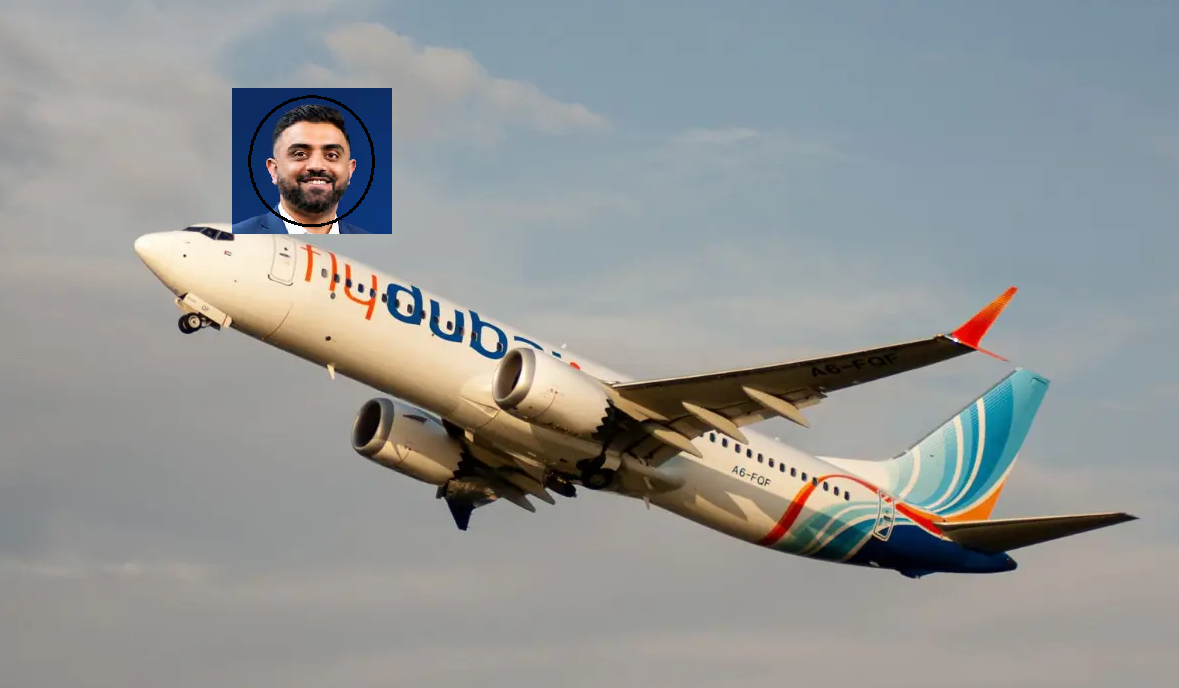
The incident involving flydubai flight FZ1073 has highlighted the risks posed by cockpit security breaches. Had the aircraft crashed, the consequences could have extended beyond aviation safety, potentially triggering geopolitical tensions, renewed scrutiny of Boeing’s 737 MAX aircraft and an international reassessment of flight crew screening procedures.
Flight FZ1073: My Thoughts
Hyderabad, Oct 2026 : Everyone is aware of the incident that occurred in flight FZ 1073. I was wondering what would have transpired if the flight had crashed. it would have marked one of the rarest and most devastating forms of aviation threats: insider rogue pilot suicide-terrorism (a plausible likely definition post investigation)
There would have been massive speculation and foremost among them would have been about a terrorist attack planned on Isarel and the west. This would have exacerbated the already volatile situation in the middle east and things may have gone from bad to worse.
Because the flight was bound for Tel Aviv, Israel, a sudden, unexplained crash of a commercial airliner over Saudi airspace would have triggered immediate crisis protocols.
- In the absence of immediate data, the initial global assumption likely would have leaned heavily toward a missile strike, a bomb, or a targeted terrorist act aimed at Israel or Western travellers.
- It could have forced immediate airspace closures across the Middle East and put regional militaries on high alert, deeply complicating the already strained security dynamics between Israel, its neighbours, and regional adversaries.
- Massive economic Impact and also diversions, re-routing and stoppages of flights inand over the middle east countries, in turn affecting the already stressed airline industry
This would have been the immediate reaction / impact worldwide till the flight data recorders could be recovered and analysed. A standard investigation would have been nearly impossible to conduct calmly.
Once the detailed investigations get completed (likely take months), there would be new aspects to consider at that stage:
- Unlike previous tragic instances of pilot suicide related to mental health struggles, a verified terrorist hijacking by a vetted first officer would have exposed a massive flaw in global intelligence and airline screening.
- The revelation that a pilot with suspected extremist leanings bypassed security checks to gain access to a cockpit Axe would have triggered an unprecedented overhaul of international background checks and psychiatric vetting for flight crews worldwide.
In yet another scenario, when we look at the critical point that completely separates the actual reality of the flight FZ1073 incident from initial public fear, because the aircraft involved was a Boeing 737 MAX, a catastrophic crash would have instantly re-ignited the global narrative surrounding Boeing’s long-standing engineering and manufacturing vulnerabilities. The massive intersection between a potential tragedy and Boeing's corporate reality would have generated severe consequences:
If the plane had gone down before any cockpit audio leaked, public opinion would have split aggressively.
- While geopolitical analysts would have speculated about a missile or terrorism, a vast portion of the public and aviation media would have pointed straight to the 737 MAX's track record.
- The Boeing Company would have faced intense scrutiny, putting the manufacturer in a position where they might have had to defend their mechanical engineering while a highly sensitive counter-terrorism investigation unfolded in the background.
The 737 MAX line has already costed Boeing billions of dollars in grounding penalties, legal settlements, cancelled orders, and factory modifications, following the historic Lion Air and Ethiopian Airlines tragedies. A third fatal crash of a 737 MAX would have been treated as a catastrophic corporate event.
Even if later vindicated by the intentional pilot-interference findings, the initial financial shockwave would have heavily depressed Boeing's stock and could have triggered an immediate, precautionary grounding of the global 737 MAX fleet by safety regulators
Remarkably for Boeing, the factual data from the incident has actually turned the narrative completely on its head and unintentionally validated the Aircraft’s structural Integrity and reliability.
- During the violent cockpit struggle, the aircraft went into a severe, high-speed plunge—dropping up to 17,000 feet and clocking speeds to near 690 mph or 1104 kmph (close to the speed of sound) and also part of the rudder shearing off.
- Aviation structural engineers noted that the airframe survived aerodynamic forces well beyond its normal structural design limits. In an ironical twist, the physical reality of the plane holding together and landing safely under such extreme duress served as a major real-world testament to the structural integrity of the 737 MAX airframe itself.
Captain Smit Macchars and the passenger’s bravery should be extolled for not only bringing the reality of Air terrorism, but inadvertently helped Boeing prove its 737 Max brand’s reliability. I feel these brave people in the flight who showed such remarkable courage should be lauded and rewarded by the Boeing company for saving it of billions of dollars and its reputational integrity 😊.
Lt Colonel M Shashidhar Rao ( Retd )