Tehran, Aug 2026 : Iran has accused the United States of intensifying economic pressure on Tehran under the banner of an “economic war”, with senior Iranian officials describing Washington’s latest measures as an attempt to conceal what they called the failure of its previous policies.
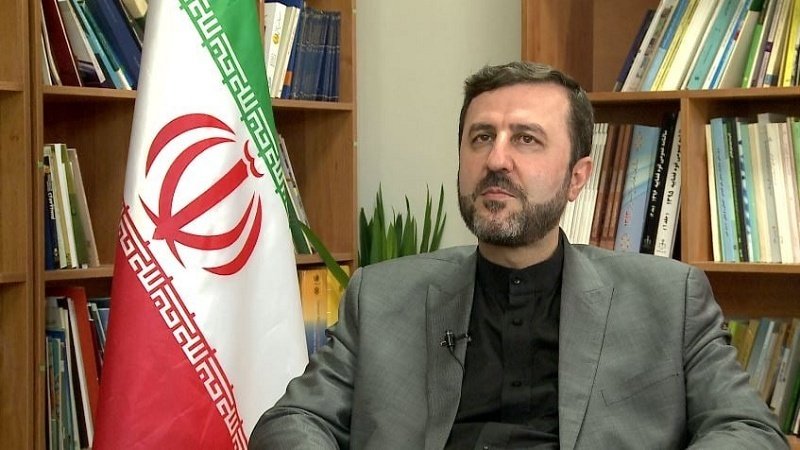
Iranian Deputy Foreign Minister for Legal and International Affairs Kazem Gharibabadi said the United States was seeking to portray Iran as being on the verge of collapse while simultaneously turning to its allies for support. His comments were reported by Iran’s official IRNA news agency.
In a social media post, Gharibabadi argued that Washington was attempting to mask the shortcomings of its earlier strategy by escalating economic pressure against Iran. He said the US military campaign had failed to achieve its intended objectives and that Washington was now presenting economic confrontation as another means of exerting pressure on Tehran.
“Economic war” has emerged as the latest point of contention between the two countries after US President Donald Trump announced a sweeping campaign targeting countries and entities providing economic support to Iran.
Trump described the planned measures as the “most crushing economic operation ever taken” against a country supporting Iran. He said the campaign would amount to “Economic Warfare and Isolation on an unprecedented scale” and referred to it as an “economic D-Day”.
Iranian Foreign Minister Seyed Abbas Araghchi sharply criticised the US announcement, arguing that Washington's economic policies could have consequences far beyond Iran.
Araghchi said what the US calls an “Economic D-Day” was instead an attempt to divert attention from its own economic challenges, particularly rising debt and increasing interest costs.
He warned that continuing with what he described as failed US policies would lead to further setbacks and increase hostility among the Iranian population.
“US economic terrorism,” Araghchi said, threatens both the global economy and the sovereignty of countries around the world.
The latest exchange comes amid renewed tensions between Washington and Tehran and growing uncertainty over the possibility of additional sanctions against Iran. Trump has warned that Iran could face what he described as “very draconian sanctions” if Washington decides to expand its pressure campaign.
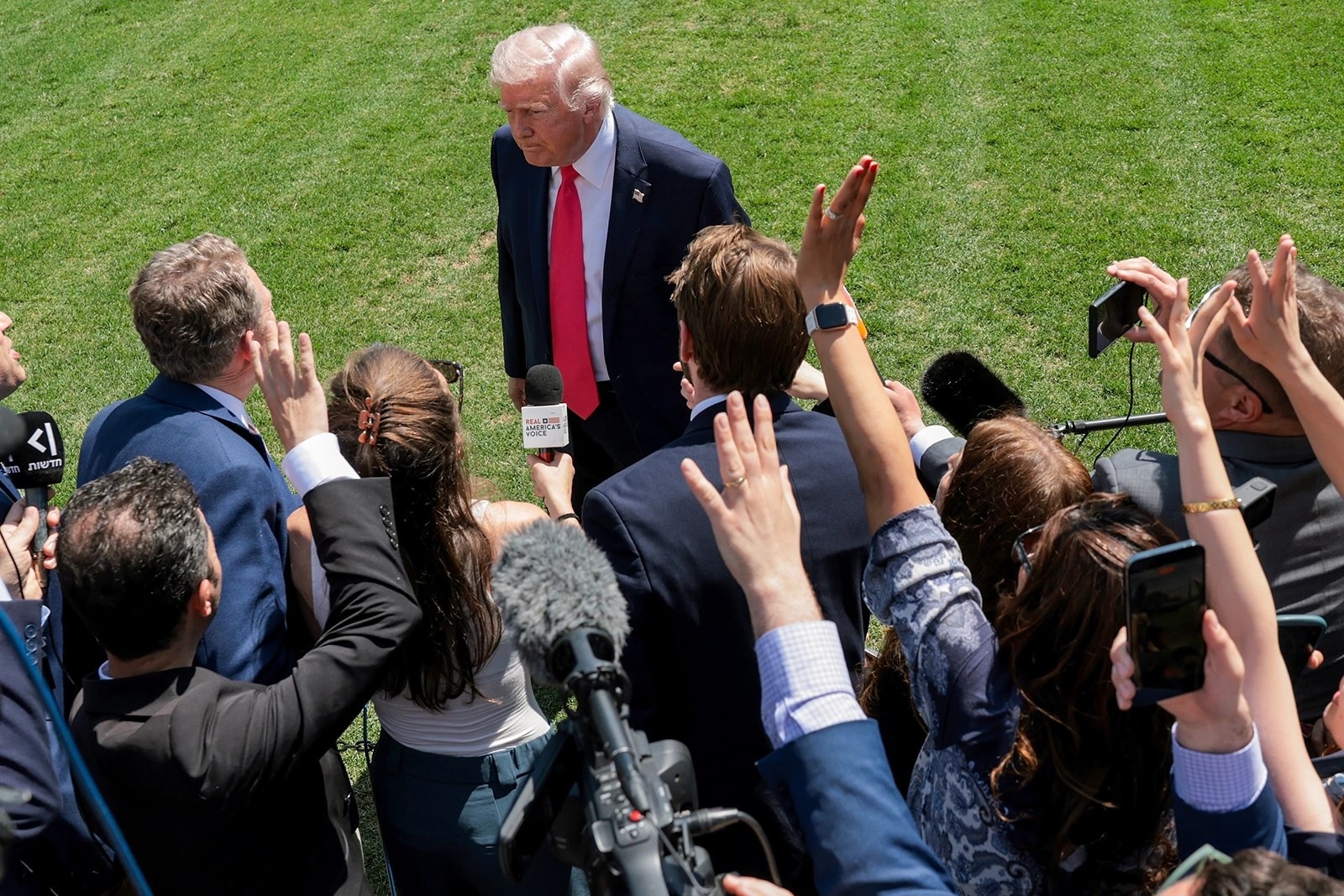
Speaking at the White House, Trump said the United States had several options available for imposing further sanctions on Tehran, while declining to provide details about the possible measures.
Trump also played down concerns about the strategic importance of the Strait of Hormuz, a crucial global energy route through which a significant volume of oil and gas shipments passes. He argued that increased US energy production and the development of alternative supply routes had reduced global dependence on the waterway.
Iran has repeatedly stressed the importance of national sovereignty and has rejected US efforts to exert pressure through sanctions and other economic measures. Tehran maintains that such policies constitute economic coercion and undermine international stability.
The latest statements from both sides indicate that economic pressure is becoming an increasingly prominent component of the broader confrontation between Washington and Tehran. With the US threatening tougher sanctions and Iran warning of wider consequences, tensions could further complicate efforts to stabilise relations and protect global trade and energy markets.