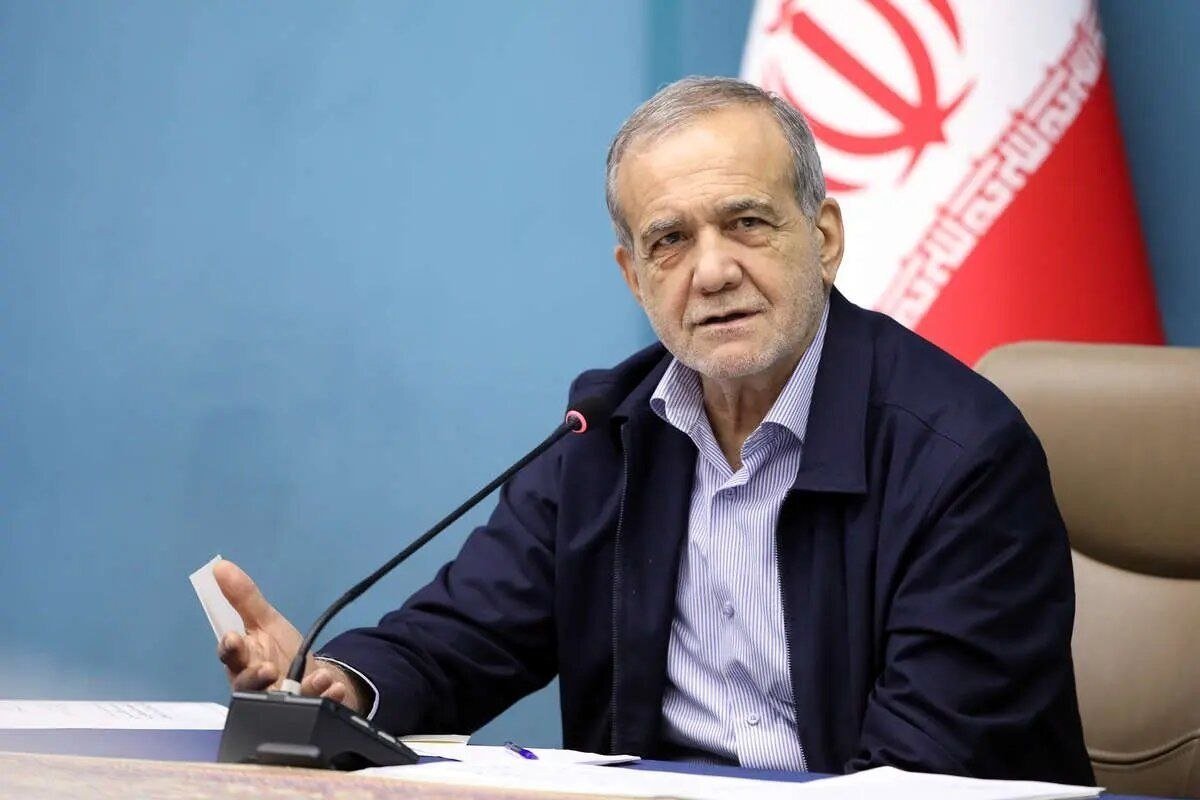
Tehran, Aug 2026 : Iranian President Masoud Pezeshkian has called for an end to the months-long conflict with the United States, arguing that Tehran should seek a diplomatic resolution while it remains in what he described as a position of “power and dignity”.
Speaking during a meeting with doctors on Friday, Pezeshkian said Iran should consider ending the confrontation rather than allowing the conflict to continue indefinitely. He maintained that Iran had emerged stronger from the conflict despite the absence of a lasting diplomatic agreement.
“It is better that we bring the war to an end now as we are in a position of power and dignity,” Pezeshkian said, according to Al Jazeera.
The Iranian President also claimed that the international community had recognised what he called Iran’s success in the conflict. He accused the United States of attacking Iranian schools, hospitals and infrastructure, describing such actions as violations of international norms.
“The whole world acknowledges our victory,” Pezeshkian said, while asserting that the US had faced widespread international criticism over its military actions.
His comments came after a memorandum of understanding between Tehran and Washington expired without producing a clear breakthrough toward ending the confrontation.
Pezeshkian Defends Diplomatic Understanding
Pezeshkian also defended the June memorandum of understanding with the United States amid criticism from hardliners in the Iranian Parliament. Critics had accused his administration of making excessive concessions during negotiations with Washington.
Rejecting those allegations, Pezeshkian said the agreement contained no provision that could be interpreted as surrender or capitulation.
“They cannot find even a single clause in this agreement that indicates capitulation. All the commitments concern the other side,” he said.
While the President has stressed the importance of diplomacy, Iran’s military leadership has continued to signal that the country remains prepared for another confrontation if threatened.
Major-General Ali Abdollahi, chief of staff of Iran’s armed forces, said the military was prepared to respond to any new threat across multiple domains.
“With preparedness across land, sea, air, air defence and cyberspace, Iran’s armed forces will respond to the enemy’s new threats with crushing, punishing and devastating responses,” Iranian media quoted him as saying.
IRGC chief Ahmad Vahidi similarly said Iran had established a strong defensive system against external threats. He described the continuation of Iran’s “Strategy of Defensive and Offensive Empowerment” as the country’s most effective approach to dealing with the situation.
Economic Pressure Mounts
Alongside military and diplomatic tensions, Iranian leaders have increasingly highlighted the economic consequences of the conflict.
Parliament Speaker Mohammad Bagher Ghalibaf acknowledged that military strength alone could not ensure the country’s long-term stability if economic difficulties continued to worsen.
“No matter how much military power we have, we won't survive if people are hungry and we don't have financial turnover, economic growth and national production,” he said, according to Iran’s official IRNA news agency, as cited by Reuters.
The comments underline the growing importance of economic stability as Tehran faces continuing sanctions, disruptions to trade and pressure on energy exports.
Oman Pushes for Renewed Dialogue
Amid the uncertainty, Oman has continued diplomatic efforts aimed at bringing Iran and the United States back to the negotiating table.
Omani and Iranian foreign ministers discussed ways to create conditions for the resumption of dialogue during a telephone conversation on Friday, according to Oman’s state news agency.
The officials also discussed developments involving navigation through the strategically important Strait of Hormuz.
The waterway has become a major flashpoint during the confrontation. Iran has kept the strait partially closed, while the United States has maintained a naval counterblockade.
The disruption has sharply affected shipping activity. Ship-tracking data indicated that only four commodity vessels crossed the waterway on Thursday, with no large crude carriers or LNG tankers recorded among them.
Before the conflict, the Strait of Hormuz carried approximately one-fifth of global oil and liquefied natural gas supplies, making any prolonged disruption a major concern for international energy markets.
US Energy Secretary Chris Wright said the US military had helped facilitate the movement of an average of around eight million barrels of oil per day through the waterway over seven days. That figure remains substantially below the more than 20 million barrels a day that moved through the strait before the conflict.
Iran has previously said the waterway would not be fully reopened until Washington met conditions outlined in the 14-point memorandum. Those demands include lifting the blockade, releasing frozen Iranian assets and easing sanctions on Iranian oil.
Trump Says Tehran Not Ready for Agreement
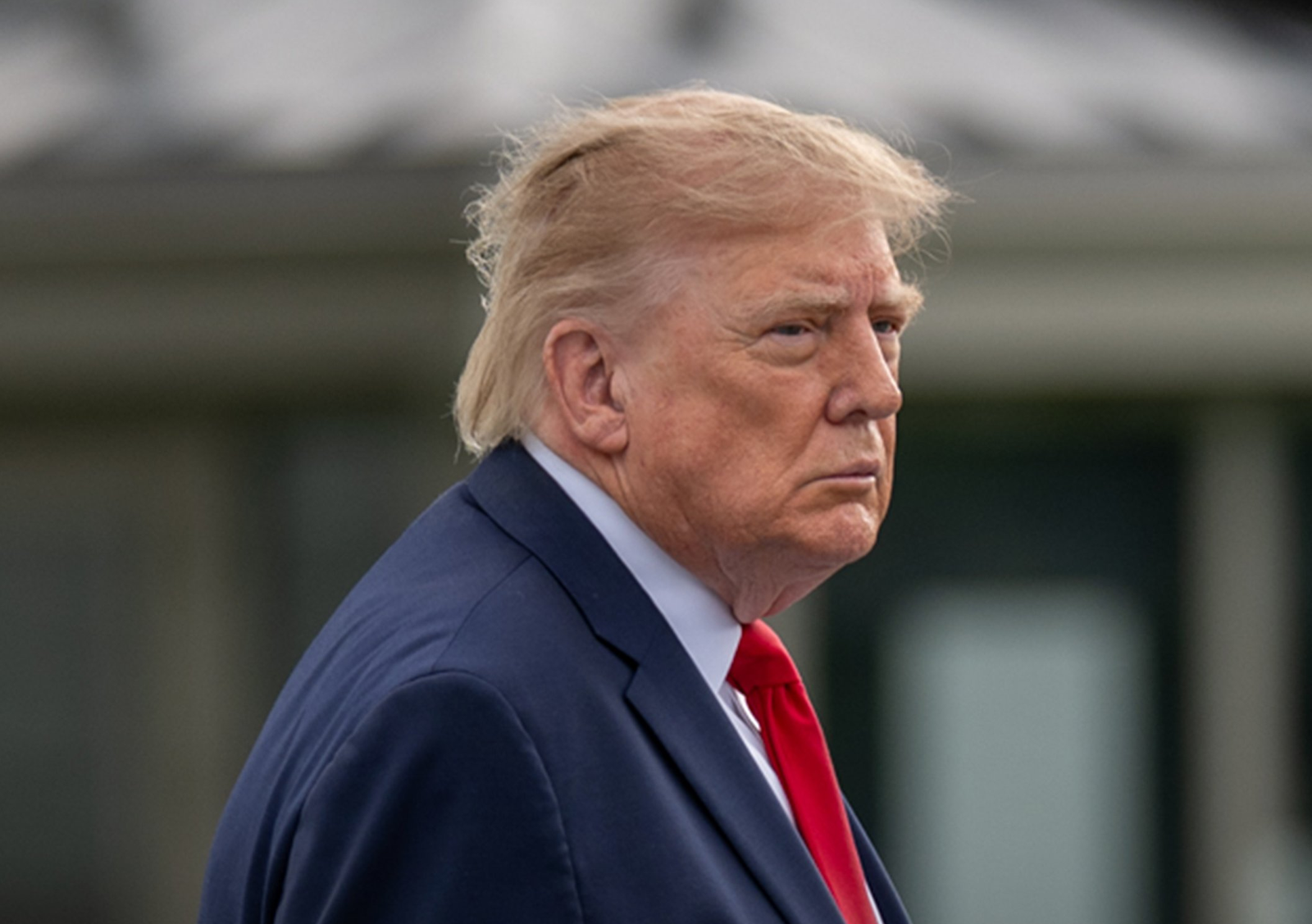
US President Donald Trump, meanwhile, indicated that Washington was continuing to assess developments and suggested that Iran had yet to accept what he considered an appropriate agreement.
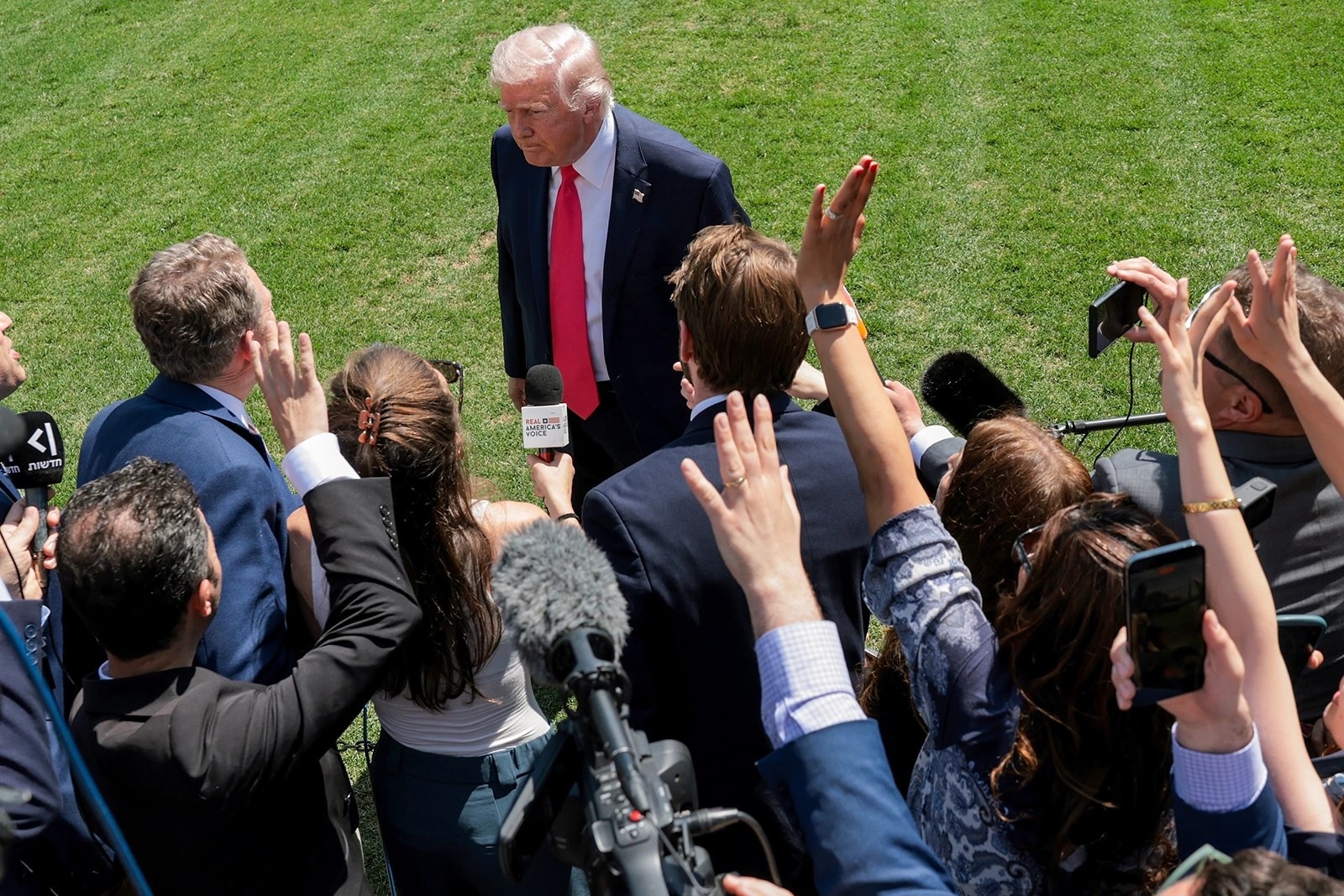
Asked whether US military options against Iran were becoming limited, Trump said Washington was monitoring the situation.
“We have total control of that entire region having to do with the Strait of Hormuz,” Trump said, adding that Iran would like to reach an agreement but was not yet prepared to accept what he termed “the right deal”.
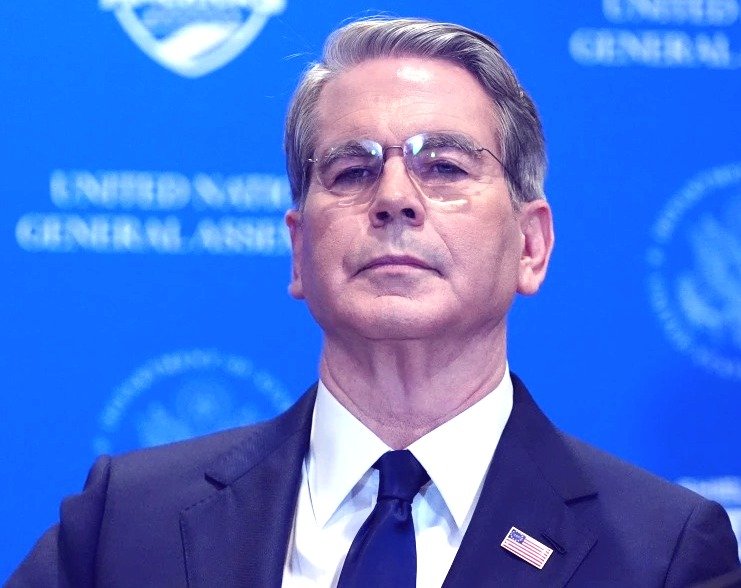
Trump’s comments came ahead of a planned announcement by US Treasury Secretary Scott Bessent on new sanctions targeting Iran.
Bessent has indicated that Washington intends to impose what he described as the toughest sanctions yet against Tehran and has sought cooperation from China to increase economic pressure.
Beijing, however, has rejected the strategy, arguing that sanctions and economic pressure would not resolve the dispute and calling for political and diplomatic engagement instead.
Iran has also condemned the proposed measures. Foreign Minister Abbas Araghchi argued that previous US sanctions campaigns had failed to achieve their objectives and warned that the latest pressure strategy would meet a similar fate.
Iran’s Foreign Ministry separately described the proposed sanctions as “economic terrorism” and criticised possible secondary sanctions as an attempt by Washington to impose its authority on independent countries.
With diplomacy showing signs of renewed activity but military tensions remaining high, Tehran now faces the challenge of balancing its calls for negotiations with its repeated warnings that it remains prepared for further confrontation.
(Disclaimer :The content of this article is sourced from a news agency and has not been edited by the Mavericknews30 team.)