Tehran, Aug 2026: Iran and Oman have stepped up discussions on a temporary transit corridor and a joint mine-clearing project for the strategically vital Strait of Hormuz, even as Tehran warned that the waterway will not be fully reopened unless the United States ends its military campaign and lifts its blockade.
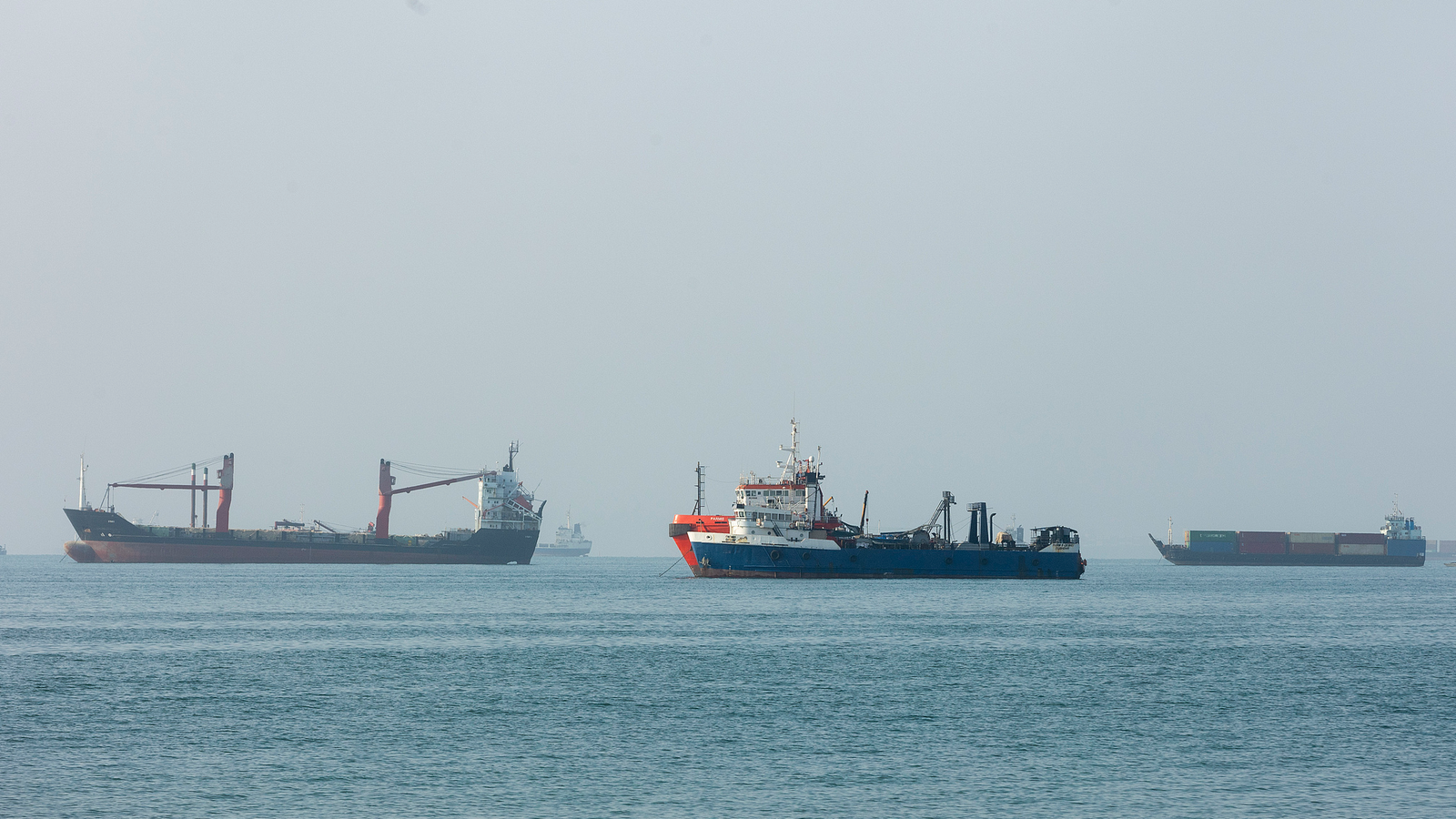
The developments came amid renewed diplomatic efforts to ease tensions in the region and restore the movement of commercial shipping through the narrow maritime passage. The Strait of Hormuz is one of the world's most important energy routes, normally carrying about one-fifth of global oil and liquefied natural gas exports.
During talks in Tehran, Iranian Foreign Minister Abbas Araghchi and his Omani counterpart Badr Albusaidi discussed a phased framework that includes establishing a temporary joint navigational corridor through the strait. The proposal also calls for cooperation on clearing mines from the waterway.
Iran and Oman, which are both located along the Strait of Hormuz, have been working on arrangements to regulate maritime traffic under a framework outlined in a June US-Iran memorandum of understanding.
Araghchi said the proposed arrangement demonstrated Iran's commitment to maintaining peace and regional stability through diplomacy with neighbouring countries.
However, Tehran has made clear that any reopening of the waterway would depend on broader developments in the conflict with Washington.
Iranian Deputy Foreign Minister Kazem Gharibabadi said no military vessel from any country would be permitted to pass through the Strait of Hormuz. He said Iranian authorities would monitor commercial vessels seeking permission to transit.
According to Gharibabadi, Iran had closed the waterway before the United States imposed its economic blockade because Washington had failed to fulfil commitments under the memorandum of understanding.
He said Iran would not take steps to reopen the strait until the United States implemented commitments that Tehran believes it had violated.
Gharibabadi also demanded that Washington end the war, lift its blockade and address the situation in Yemen before any reopening arrangement could be implemented.
Mine-clearing plan under discussion
Mine clearance has emerged as a key element of the proposed temporary corridor. US President Donald Trump had earlier claimed that mines had been removed or detonated in international waters of the Strait of Hormuz, citing the US Navy.
Iran rejected the claim. Gharibabadi described the statement as propaganda and warned that Iranian forces would target US minesweepers entering the area.
Oman has taken a more diplomatic position, seeking to establish practical arrangements that could allow maritime traffic to resume while longer-term negotiations continue.
Albusaidi said he hoped Iran and Oman would soon announce details of the temporary corridor. He added that a permanent solution for the management of the strait would be developed later.
According to a joint statement, technical discussions will continue on establishing a permanent navigational corridor and determining future arrangements for managing the waterway. The talks are also expected to address information sharing, traffic management and the provision of navigational and security services.
US tightens economic pressure
The diplomatic discussions are taking place alongside a fresh round of US sanctions against Iran.
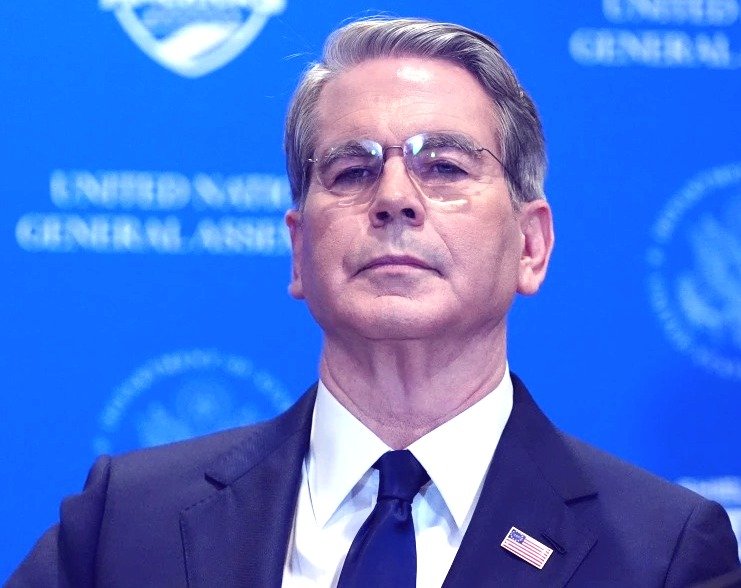
US Treasury Secretary Scott Bessent announced additional measures aimed at increasing economic pressure on Tehran, warning of what he described as "economic asphyxiation". Washington has also warned countries and businesses that refusing to support its campaign against Iran could result in further isolation.
The latest sanctions expand secondary restrictions targeting Iran's digital assets and technology sectors, as well as gold, aviation and shipping. Entities in several countries and financial centres, including the United Arab Emirates, Hong Kong, China, Singapore and Europe, have reportedly been affected.
Gharibabadi said Iran would respond by targeting US economic interests.
The confrontation has already created significant disruption to global energy markets. With shipping through Hormuz severely restricted, concerns have grown over the security of oil and gas supplies and the potential economic impact of a prolonged blockade.
Pressure builds inside Iran
The conflict has also increased economic pressure inside Iran. Long queues were reported at petrol stations after Iranian authorities announced that fuel quotas would be reviewed.
Iran was already facing high inflation and economic difficulties before the latest conflict. The deteriorating economic situation had contributed to an anti-government protest movement that intensified in January.
The situation in Yemen has added another layer to the regional crisis. The Iran-backed Houthi movement has remained involved in the wider conflict, while Yemen continues to face the consequences of years of civil war.
Despite the tensions, diplomatic channels remain open through Oman and other regional actors. The proposed temporary corridor could provide a limited mechanism for managing commercial traffic while negotiations continue.
For now, however, Iran's position remains firm: the Strait of Hormuz cannot return to normal operations without wider political and military commitments from Washington.
Meanwhile, oil prices declined on Wednesday as concerns about another immediate military escalation in the Middle East eased somewhat. The direction of energy markets, however, is expected to remain closely linked to developments surrounding the Strait of Hormuz and the broader US-Iran confrontation
Disclaimer: This review is based on the reviewer’s individual perspective. Audience opinions may vary.