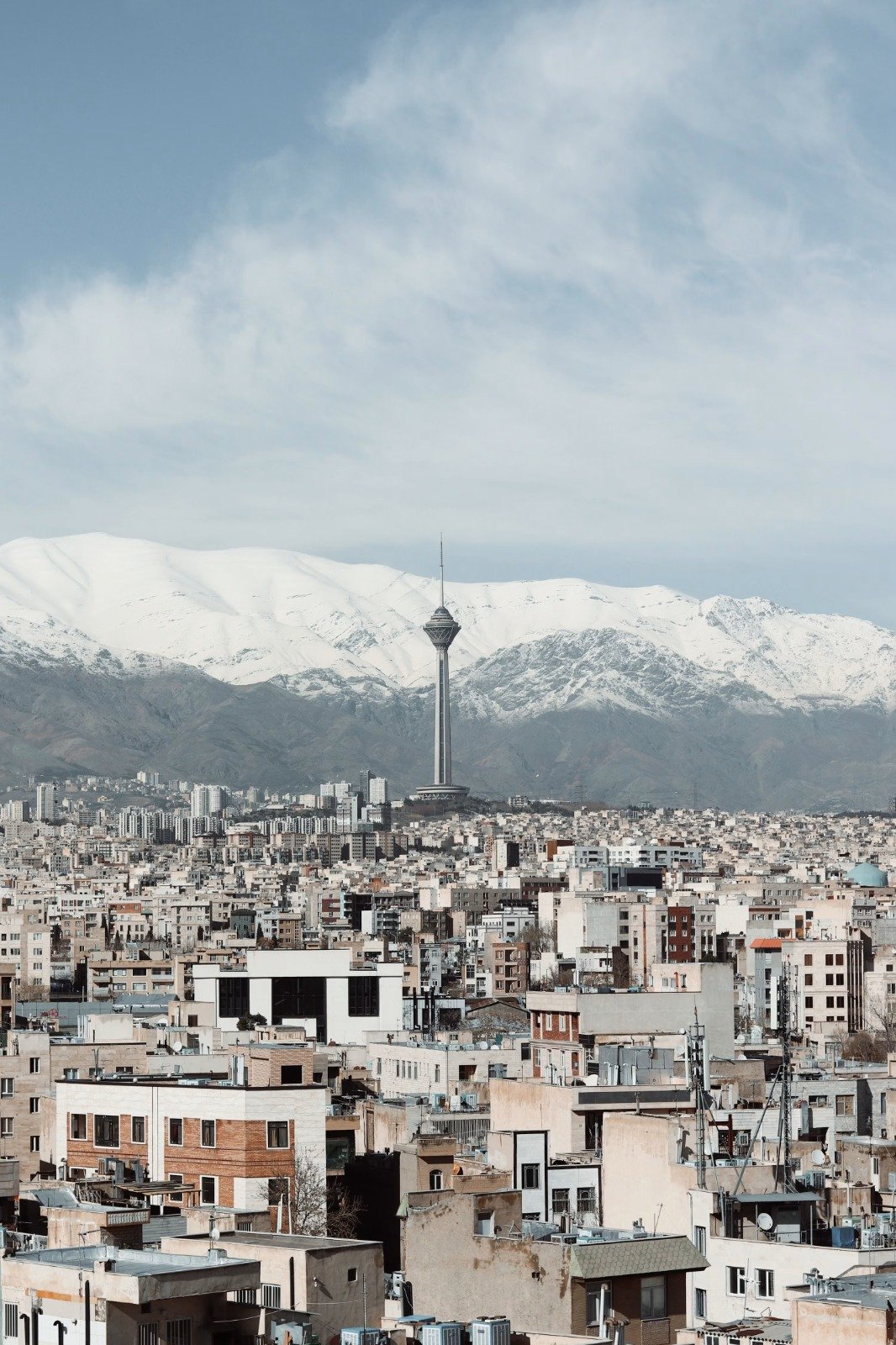
Tehran, Aug 2026 : Iran has warned that it could consider any country participating in or supporting the United States’ economic campaign against Tehran as an “act of war,” escalating tensions amid growing uncertainty over the future of Iran-US negotiations.
Mohsen Rezaei, secretary of Iran’s Supreme National Security Council, issued the warning in a social media post, saying Iran would respond strongly if the economic pressure campaign continued. He also threatened to halt oil exports through the Strait of Hormuz and other routes in the Persian Gulf.
“If the economic war continues, not a single drop of oil will be exported,” Rezaei said, warning that Iran would regard any country supporting what he described as Washington’s economic war against the Iranian people as an act of war.
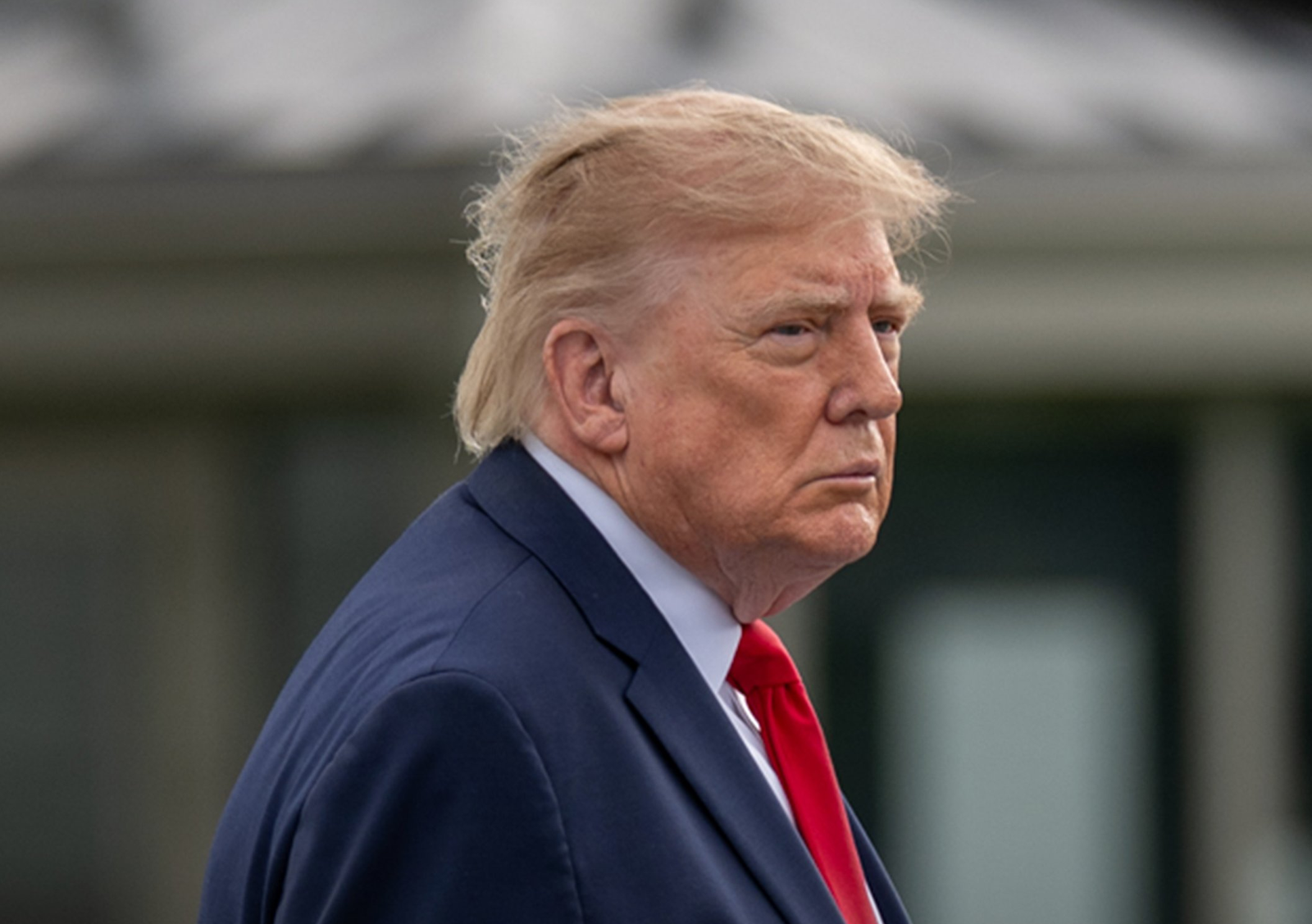
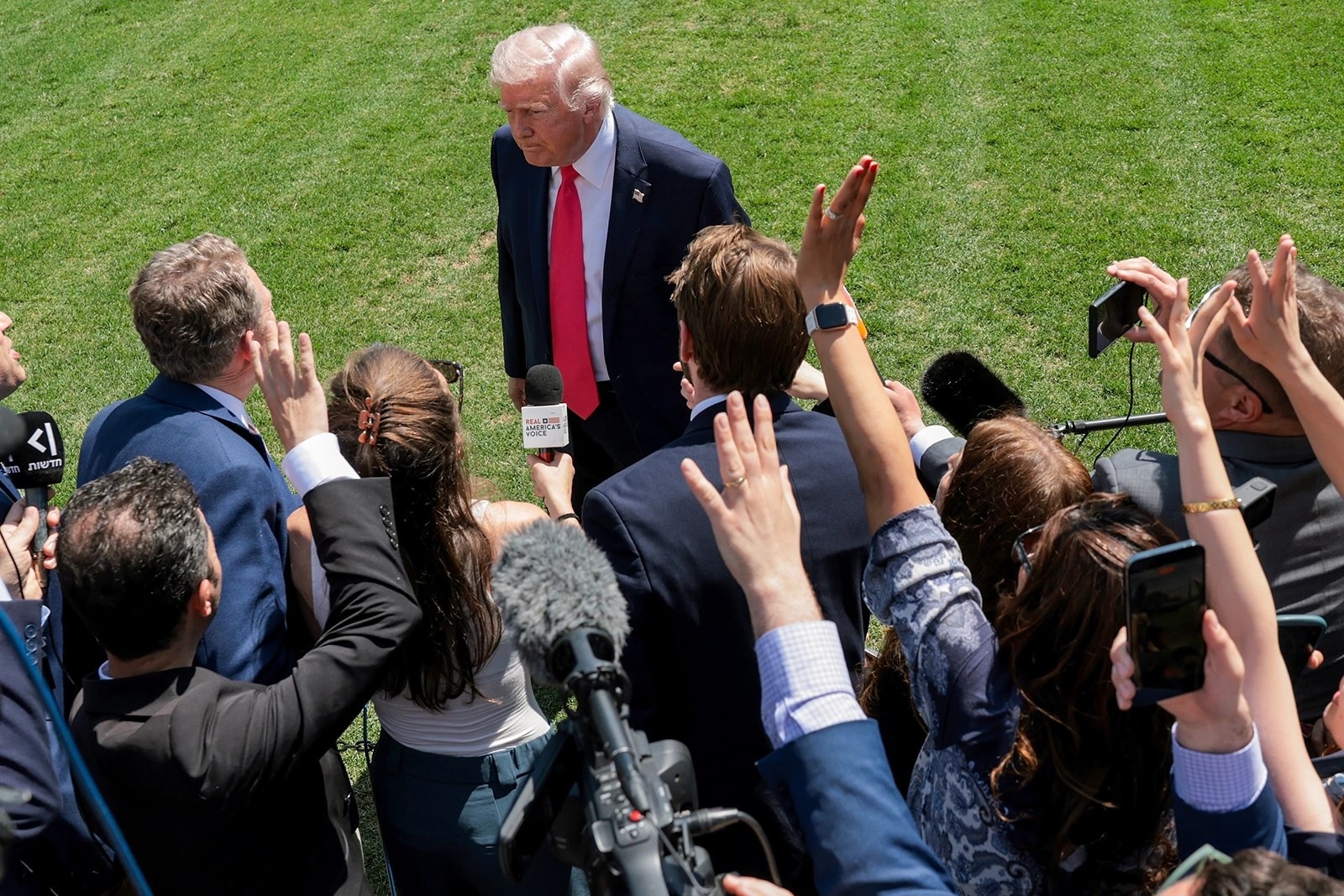
His comments followed recent remarks by US President Donald Trump, who announced plans for what he described as the most severe economic operation ever imposed against a country supporting Iran.
Trump said the proposed measures would amount to “Economic Warfare and Isolation on an unprecedented scale,” describing the campaign as an “ECONOMIC D-DAY.”
Rezaei had issued a similar warning a day earlier during an interview with Iran’s state-run IRIB television. He said Tehran would initially seek dialogue with countries participating in the US campaign and ask them to remain outside the confrontation.
However, he warned that countries refusing to do so could face attacks against their interests. Rezaei said Iran would not allow oil to pass through the Strait of Hormuz if neighbouring countries chose to support what he called the US “siege” of Iran.
The Iranian official also claimed that Tehran had developed methods over the years to bypass US sanctions and continue selling oil despite restrictions.
The Strait of Hormuz remains central to Iran’s warnings. Rezaei reiterated that the strategic waterway would remain closed unless the United States fulfilled its commitments under a memorandum of understanding signed between the two countries in June.
He insisted that Washington must take the first step toward implementing the agreement.
The June 18 memorandum was intended to establish a framework for ending the wider regional conflict, including hostilities involving Lebanon. Under the understanding, Iran and the United States were expected to begin negotiations within 60 days to work towards a final agreement.
That deadline ended on Monday, but the future of the talks remains uncertain following renewed tensions and escalation between the two countries last month.
Iran’s latest warnings add another layer of uncertainty to efforts aimed at reducing regional tensions. Any disruption to oil shipments through the Strait of Hormuz could have wider consequences for global energy markets, given the waterway’s importance to international oil and gas supplies.
With Washington pushing for greater economic pressure and Tehran threatening retaliation against countries that cooperate with the campaign, diplomatic efforts face significant challenges in preventing the confrontation from widening.
(Disclaimer :The content of this article is sourced from a news agency and has not been edited by the Mavericknews30 team.)