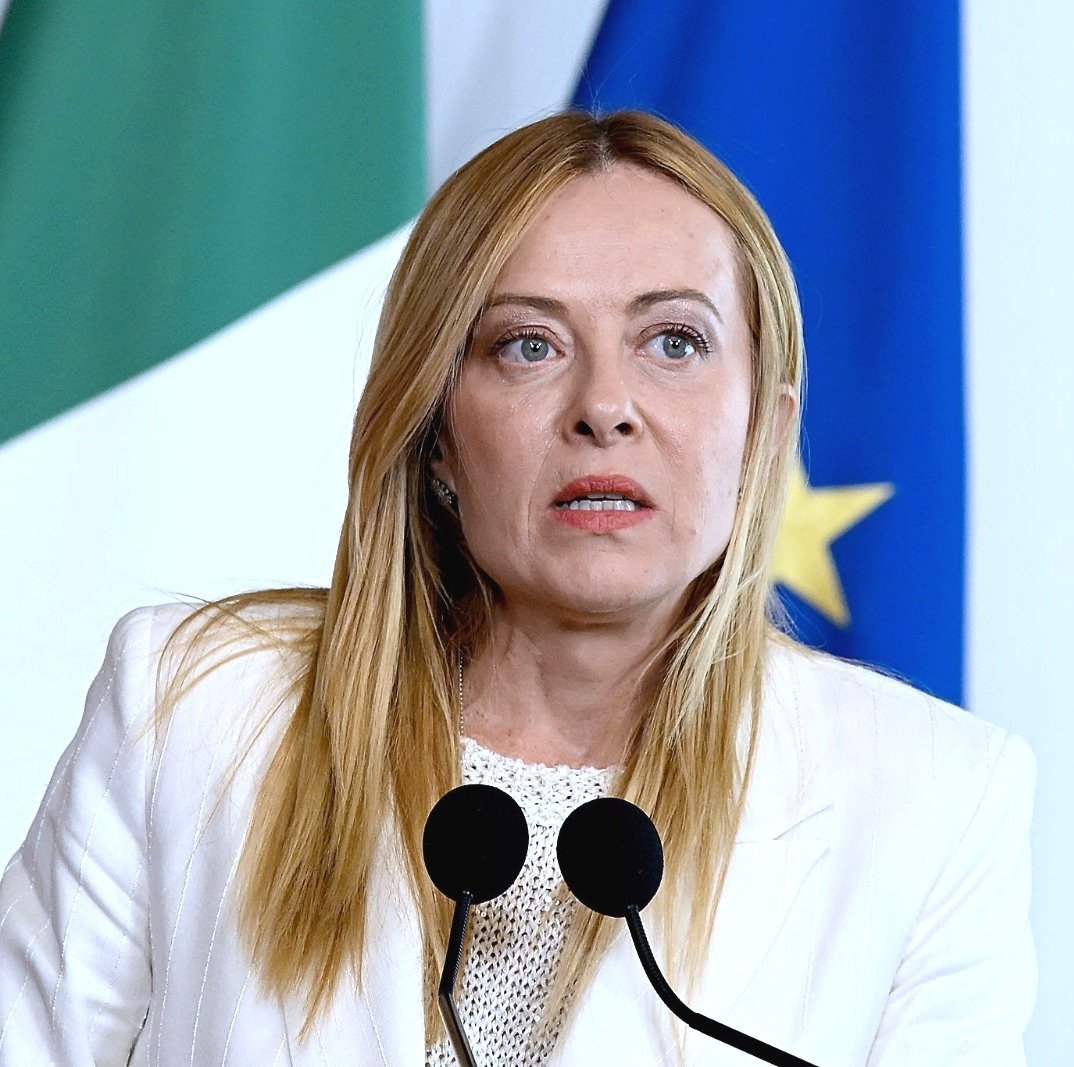
Rome/Tel Aviv; November 2026: It was in the previous week same day (Tuesday – 17th November 2026), Italy’s parliament has conflated Anti-Jewish discrimination and legitimate criticism of Israeli state actions into one offence. Adopting the International Holocaust Remembrance Alliance’s (IHRA) official definition of anti-Semitism, Rome’s bill will apply across schools, universities, social-media platforms, and beyond. The move has raised serious concerns about what this will do to freedom of expression and protest.
Reacting to the above, Erika Guevara Rosas, Amnesty International’s Senior Director for Research, Policy, Advocacy and Campaigns, said: “Today marks a bleak day for freedom of expression as Italy explicitly makes the IHRA working definition of antisemitism legally binding. The new law, based on a definition that has long raised serious concerns because it conflates antisemitism with legitimate criticism of Israel, heightens the risk of far-reaching forms of censorship and self-censorship. Its application across schools, universities, social media platforms and beyond threatens a chilling effect and infringe on the rights to freedom of expression and peaceful assembly. Instead of strengthening the implementation of existing legislation in Italy, which already contains robust provisions to address antisemitism, hate crimes and discrimination, Italian authorities have chosen to introduce this law. While it may not introduce new criminal offences, it could be instrumentalized to punish legitimate criticism of the Israeli government’s policies and target solidarity with Palestinians. By blurring the distinction between antisemitism and criticism of a state´s actions, the law also risks undermining efforts to identify and effectively address genuine antisemitism. While stronger measures to prevent and address racism and discrimination are needed, the new law is not the answer. Protecting people from antisemitism and protecting freedom of expression are complementary obligations, not competing ones, and neither should come at the expense of the other”.
While lambasting the Meloni government, the Amnesty Director has asserted: “Branding criticism of Israel’s brutal occupation, its system of apartheid, and its ongoing genocide against Palestinians in Gaza as antisemitic – which could happen under the new law – also risks shielding state policies and practices from legitimate public scrutiny and debate. Italy must uphold its international obligations to protect freedom of expression and peaceful assembly for all and ensure that all groups including Jewish communities are equally protected from discrimination, and advocacy of hatred”.
Not only does Tuesday (17th November 2026) mark a bleak beginning for press and self-censorship on issues of public interest in Italy, following the path of the UK’s persecution of the Palestine Action group, who has now arrested over 4,000 activists involved in peaceful protests against Israel’s offences in the occupied territories. Not only does this also indicate the start of an authoritarian slippery slope, which could end in silencing political criticism that is not favoured by the ruling powers, or debate concerning those in office. But it is largely a display of the narrow priorities subscribed to by Meloni’s stagnant government.
Although Prime Minister Meloni has held power for longer than any of her predecessors in the history of the Republic, there is little to show for it, with headline measures that included tightened citizenship rules, anti-rave actions, cuts to welfare benefits, and limited offshoring of migrant processing to an exorbitantly expensive centre in Albania. And stalled economic growth matches the trend.
Meanwhile, in a 147-93 vote in Rome’s Palazzo Chigi, supporters of the pro-IHRA definition bill cited soaring anti-Jewish violence and aggression as their main motivation, while forgetting about the abundant relics of fascism that still scar whole cities and regions across Italy, influencing every generation with hatred of minorities.
Even the granddaughter of Italy’s late fascist dictator, Rachele Mussolini, has quit Meloni's Brothers of Italy party for being too rightwing in its treatment of minorities, which should speak volumes on the government's lack of integrity in its claims to care about Jewish people in Italy.
As repression increasingly hits press and NGO freedoms in Europe and beyond, laws that seek to police the vocabulary of crucial democratic debates risk pushing our societies back into dark times, which our grandparents fought to end.
In 2024, the German parliament passed a non-binding resolution backing the IHRA definition. Two years later, Germany is considering a law that would make denying Israel’s right to exist a crime, with up to five years in prison.
Team Maverick.