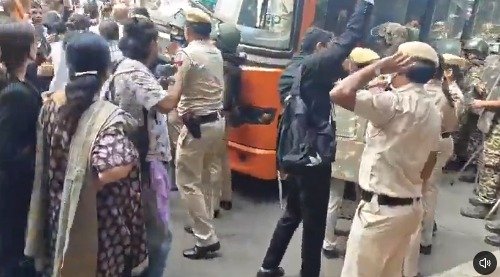
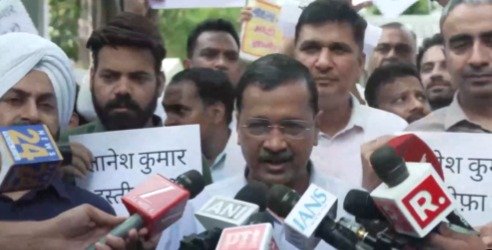
New Delhi, October 2026 : Security was tightened across the national capital on Saturday ahead of a proposed protest by the Cockroach Janata Party (CJP), with police conducting checks at Delhi’s borders and detaining party functionaries, workers and some opposition leaders, according to reports. The action triggered sharp reactions from Aam Aadmi Party (AAP) national convenor Arvind Kejriwal, Communist Party of India (CPI) leader Annie Raja and Samajwadi Party president Akhilesh Yadav.
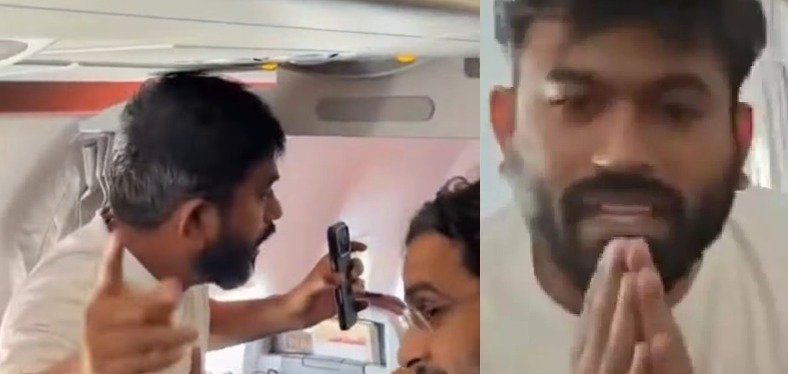
CJP founder Abhijeet Dipke was among those detained after arriving at the Indira Gandhi International Airport (IGI) in Delhi from Mumbai. The detentions and heightened security arrangements intensified the political confrontation over the proposed demonstration, which was called to demand the resignation of Chief Election Commissioner Gyanesh Kumar.
Police personnel were deployed at several entry points into the capital, where vehicles and people entering Delhi were subjected to checks. The security measures came ahead of the planned gathering at Jantar Mantar, where the CJP intended to raise allegations concerning the Special Intensive Revision (SIR) of electoral rolls and the functioning of the Election Commission of India.
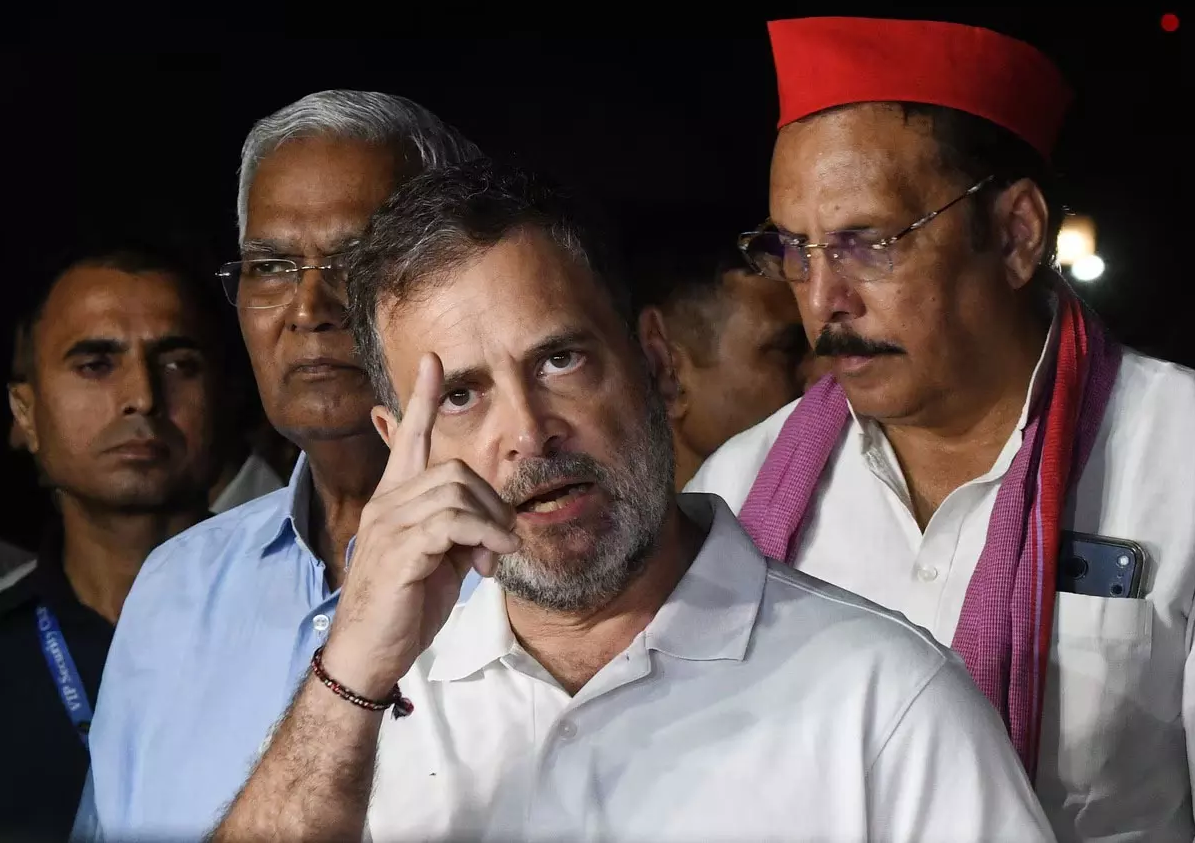
Opposition leaders criticised the police action, arguing that peaceful protest and the expression of dissent should not be suppressed.
CJP founder Abhijeet Dipke detained at airport
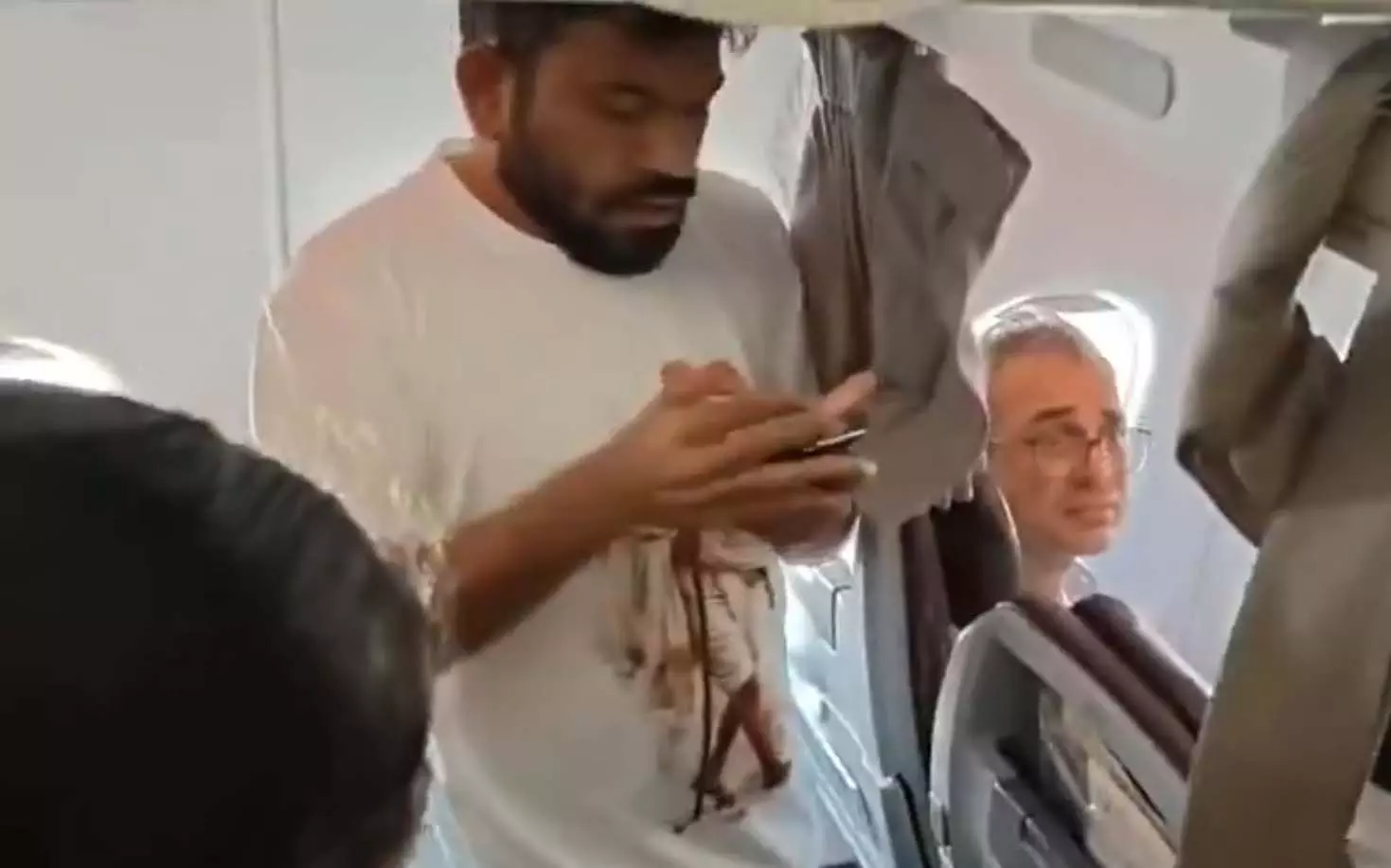
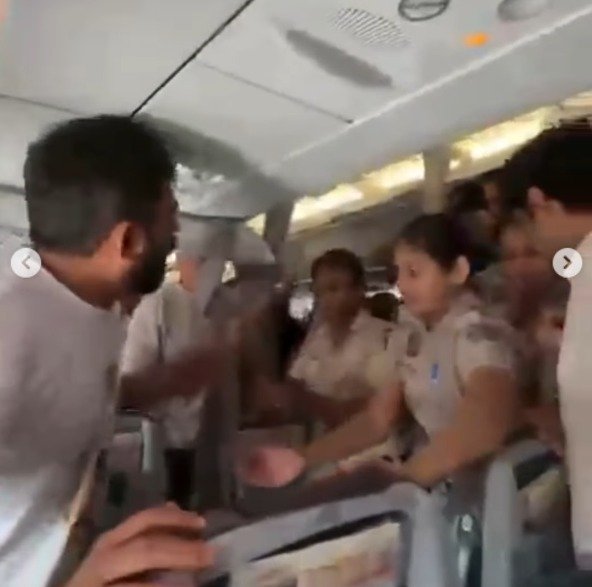
Dipke was detained at IGI Airport shortly after his flight from Mumbai landed. According to reports, Delhi Police personnel entered the aircraft to take him into custody.
During the interaction, Dipke was heard telling the police that he had come to Delhi to be arrested and asking them to proceed with the arrest. Police personnel reportedly responded that he was not being arrested and asked him to cooperate with them.
The circumstances surrounding the detention, including the legal grounds for the action and the precise status of the proceedings, were not immediately clear.
The incident became a major focus of the controversy surrounding the proposed demonstration, with opposition leaders questioning the manner in which the CJP founder was detained. The party had announced the protest to demand Kumar’s resignation and raise concerns about electoral-roll revision.
The police operation at the airport, combined with checks at Delhi’s borders and the reported detention of other political functionaries and activists, added to tensions ahead of the gathering.
Kejriwal accuses government of authoritarianism
AAP national convenor Arvind Kejriwal criticised the police action in a post on social media platform X, comparing the situation to the Emergency and alleging that the country was witnessing an increasingly authoritarian environment.
Kejriwal argued that detaining CJP functionaries inside an aircraft reflected the government’s apprehension about the issues being raised by the party. He also targeted Prime Minister Narendra Modi, alleging that the government was attempting to weaken democratic institutions and divert attention from allegations of electoral malpractice, including claims of “vote theft”.
The AAP leader also questioned Kumar’s continuation as Chief Election Commissioner and called for his resignation.
Kejriwal’s comments added to the growing political debate over the Election Commission and the opposition’s allegations concerning electoral processes. The claims about the government’s motives and alleged electoral irregularities remain political allegations, while the Election Commission has defended its procedures against criticism.
His reaction also brought the CJP protest into the wider opposition debate over electoral transparency, institutional accountability and the right to dissent.
Annie Raja defends right to dissent
CPI leader Annie Raja also criticised the security measures and the reported detentions ahead of the demonstration.
Raja objected to the deployment of a large number of security personnel, describing the arrangements as condemnable. She maintained that every citizen has a fundamental right to disagree with a government decision or oppose its actions.
According to Raja, the ability to express disagreement is a defining feature of democracy and must be respected by those in power. She alleged that measures aimed at restricting dissent were contrary to the spirit of the Constitution.
She also stressed the need to protect the Constitution and preserve India’s character as a secular and democratic nation.
Raja’s response focused on the broader implications of the police action, arguing that citizens must be able to express their views peacefully. Her remarks reflected concerns among opposition leaders about the handling of demonstrations and the space available for political dissent.
Akhilesh Yadav voices support for protesters
Samajwadi Party president Akhilesh Yadav also reacted to the developments, expressing support for those seeking to protest and criticising the action taken ahead of the CJP demonstration.
Yadav referred to the courage and unity of young people in his message, which was seen as a show of support for the protesters and opposition to the police measures.
His intervention added another prominent opposition voice to the controversy, as leaders from different political parties questioned the security arrangements and the reported detentions.
While the opposition leaders expressed their concerns from different political platforms, their reactions converged on the importance of protecting democratic rights and allowing peaceful dissent.
Security measures intensify political confrontation
The police action ahead of the CJP demonstration has sharpened the political exchange between the ruling establishment and opposition parties.
Kejriwal accused the government of undermining democracy and questioned the Chief Election Commissioner’s continuation in office. Raja defended the right to disagree with government decisions and called for respect for constitutional principles. Yadav voiced support for the protesters and highlighted the determination of young people.
The police, meanwhile, stepped up security arrangements across the capital, including checks at its borders and restrictions around routes leading towards the protest area. The measures were implemented ahead of the planned gathering at Jantar Mantar.
The episode has brought together two contentious issues: the CJP’s allegations concerning electoral-roll revision and the opposition’s objections to the handling of its proposed demonstration.
The CJP has demanded Kumar’s resignation over alleged irregularities linked to the SIR process. The controversy has also prompted broader questions from opposition leaders about the Election Commission’s accountability and the transparency of electoral procedures.
However, the allegations raised by political parties and their interpretations of the police action remain contested. The legal basis for the reported detentions and the full circumstances surrounding the airport operation were not immediately available.
With the proposed protest drawing heightened security and reactions from leaders across the opposition, attention remains on whether the CJP will be able to proceed with its demonstration and how the authorities will respond to further gatherings.
The developments have once again placed the right to peaceful protest, the functioning of electoral institutions and the relationship between the government and opposition at the centre of the political debate in the national capital.