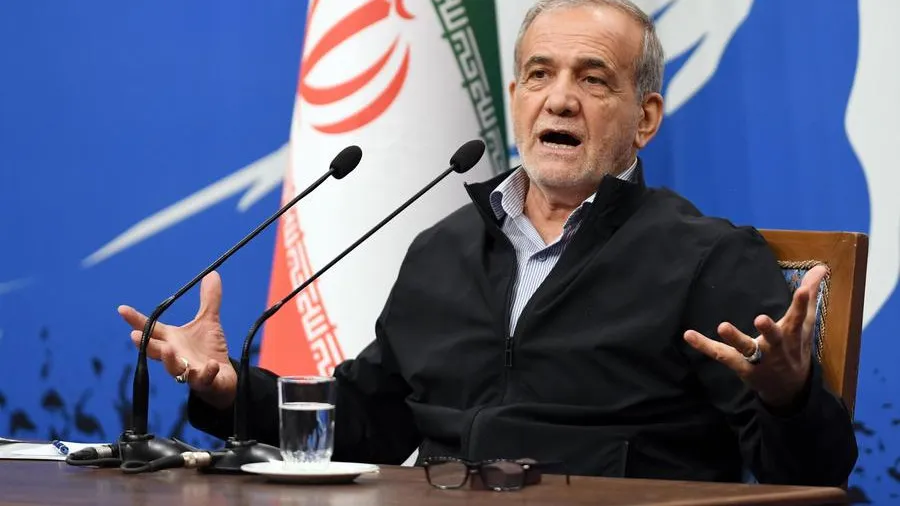
Tehran, Aug 2026 : Iranian President Masoud Pezeshkian has said that negotiations with the United States should not be interpreted as surrender, stressing that Tehran would continue diplomatic efforts while firmly protecting the country's territorial integrity and national interests.
Speaking at a conference in Tehran on Wednesday, Pezeshkian said Iran was approaching negotiations cautiously and from a position of strength, according to a statement published on his office's website.
“In the process of negotiations, we are moving forward step by step at the height of our power and while maintaining wisdom, dignity and expediency,” he said.
Pezeshkian outlined what he described as Iran's key objectives, saying Tehran's priorities had been to end the war, lift the anti-Iran naval blockade, secure the release of frozen Iranian assets and subsequently pursue negotiations over the country's nuclear programme.
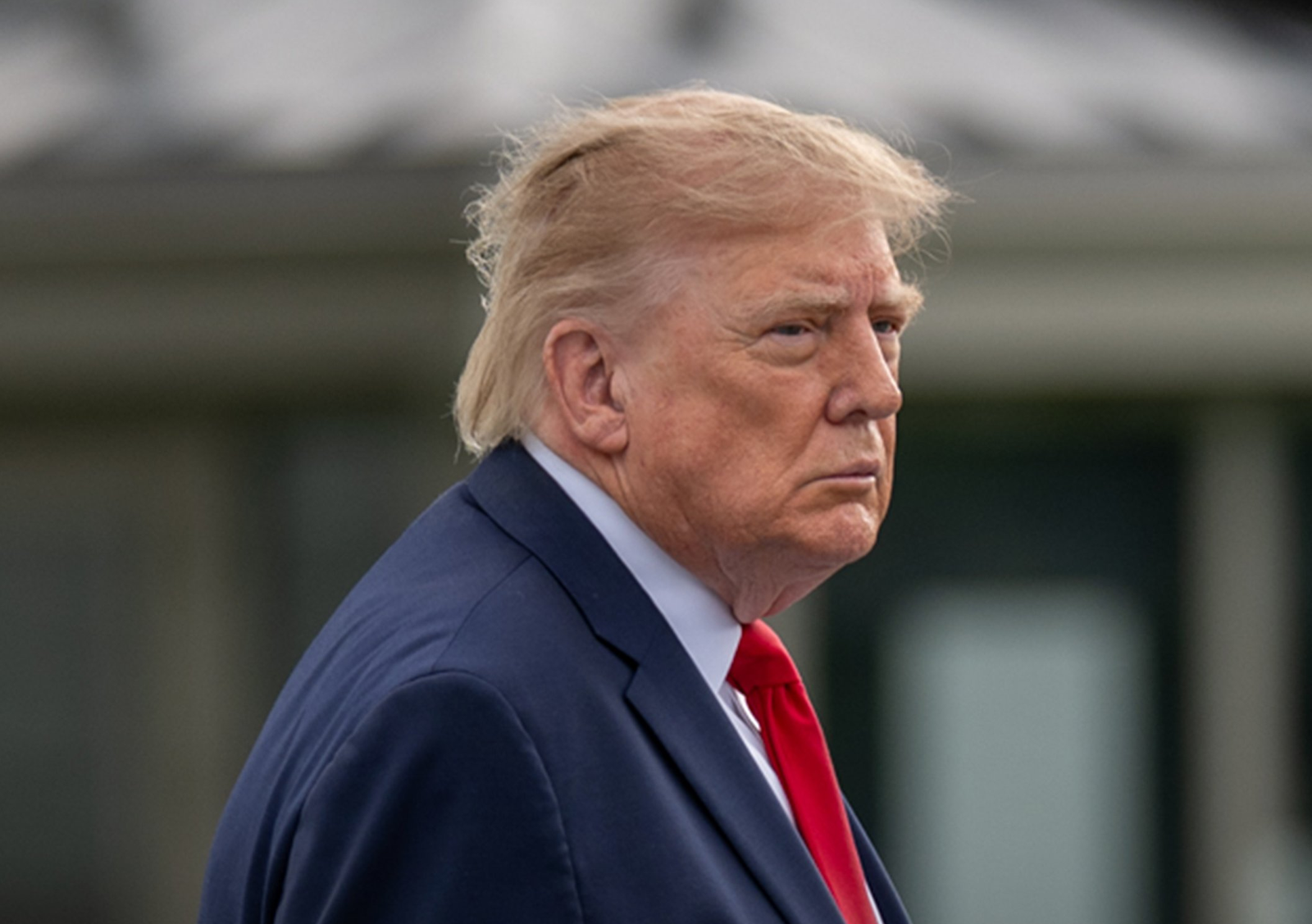
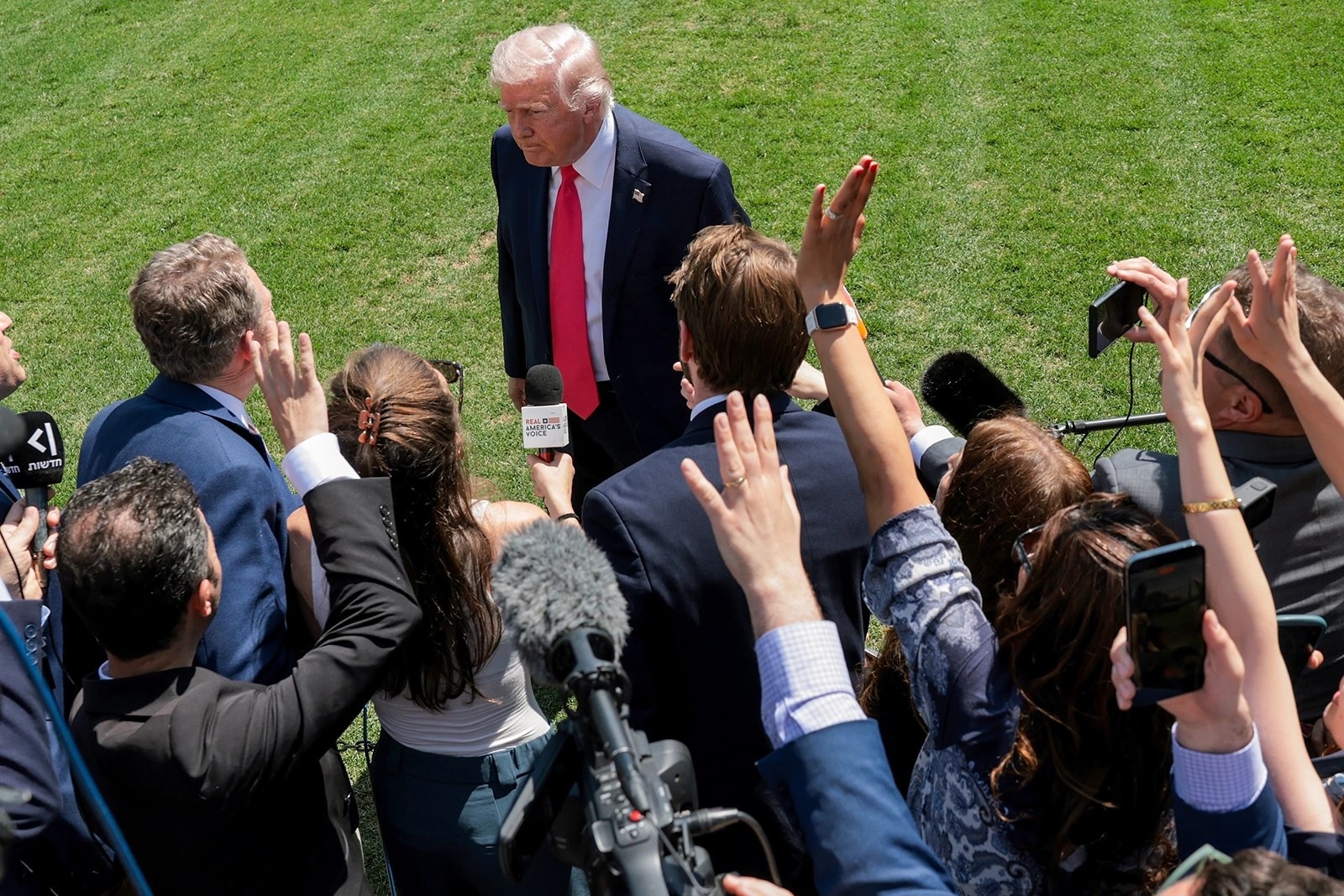
His remarks came amid renewed uncertainty over the future of diplomatic contacts between Tehran and Washington. US President Donald Trump was reportedly said to have instructed senior administration envoys to suspend discussions with Iran on Tuesday, according to Iranian media citing a US official.
The situation appeared to become more tense on Wednesday when Trump announced what he described as a “crushing economic operation” against Iran, despite having earlier said that the situation with Tehran was “so good”.
Iran and the US had signed a memorandum of understanding on June 18 aimed at ending the war on all fronts. However, the future of the negotiations remains uncertain following the expiry of the 60-day negotiating period under the agreement on Monday.
Tensions between the two countries have also intensified over the past month, raising questions over whether the diplomatic process can be revived and whether the two sides can reach an agreement on outstanding security and nuclear issues.
Meanwhile, Iran's parliament is considering a separate plan aimed at strengthening security controls in the strategically important Strait of Hormuz. Senior Iranian lawmaker Ebrahim Rezaei said the proposed legislation would prevent hostile or espionage-linked vessels considered a threat to Iran's national security from transiting the waterway.
Rezaei, a member of Parliament's National Security and Foreign Policy Committee, told state-run IRIB television that the committee had already approved the general outlines of the plan.
Under the proposal, vessels identified as hostile or involved in espionage activities could be denied passage through the Strait. Rezaei also said Israeli military and civilian vessels would be prohibited from using the strategic waterway, with enforcement overseen by Iran's General Staff of the Armed Forces.
The draft legislation would also establish financial measures related to shipping through the Strait. Rezaei said vessels could be required to pay passage fees in Iranian rials or other currencies, while penalties could be imposed on those violating the proposed regulations.
He further warned that Iran could take retaliatory economic measures against governments it considers hostile. These could include confiscating cargo and imposing higher tariffs on vessels or trade linked to countries that take actions against Iranian interests.
“If someone in another part of the world harms Iran's interests or our citizens, we will deal with that government in the Strait of Hormuz,” Rezaei said.
He argued that the waterway had become a national security priority for Iran following US and Israeli strikes against the country. Tehran, he said, needed to maintain control over the Strait to protect itself against potential military threats.
The Strait of Hormuz is one of the world's most strategically important maritime routes, carrying a substantial share of global energy shipments. Any restrictions on its passage could therefore have wider implications for regional security, international shipping and global energy markets.
Iran's official IRNA news agency reported that the parliamentary committee approved the general outlines of the proposed Strait of Hormuz security plan earlier this month, although the legislation would still have to proceed through the remaining parliamentary process.
(Disclaimer :The content of this article is sourced from a news agency and has not been edited by the Mavericknews30 team.)