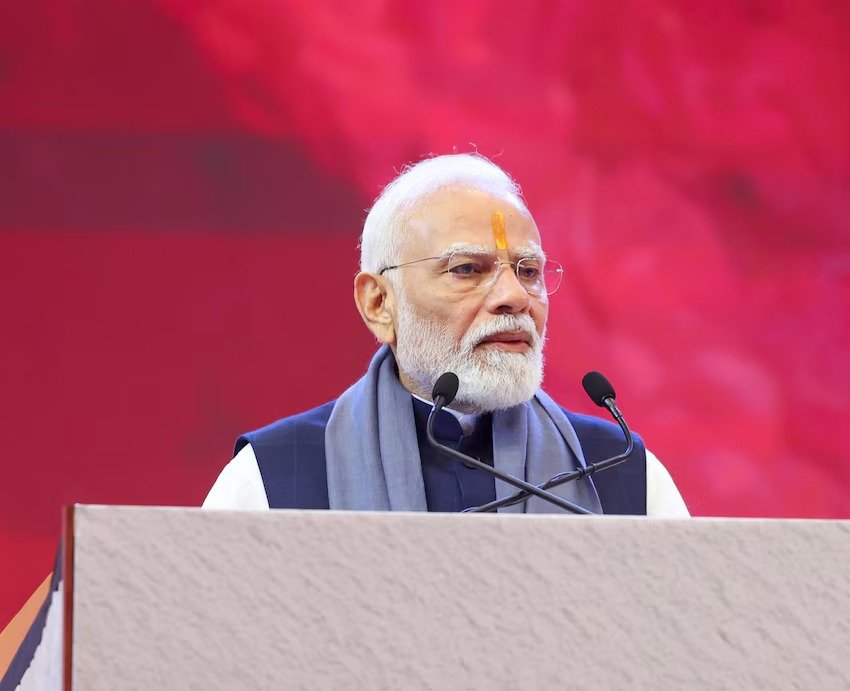
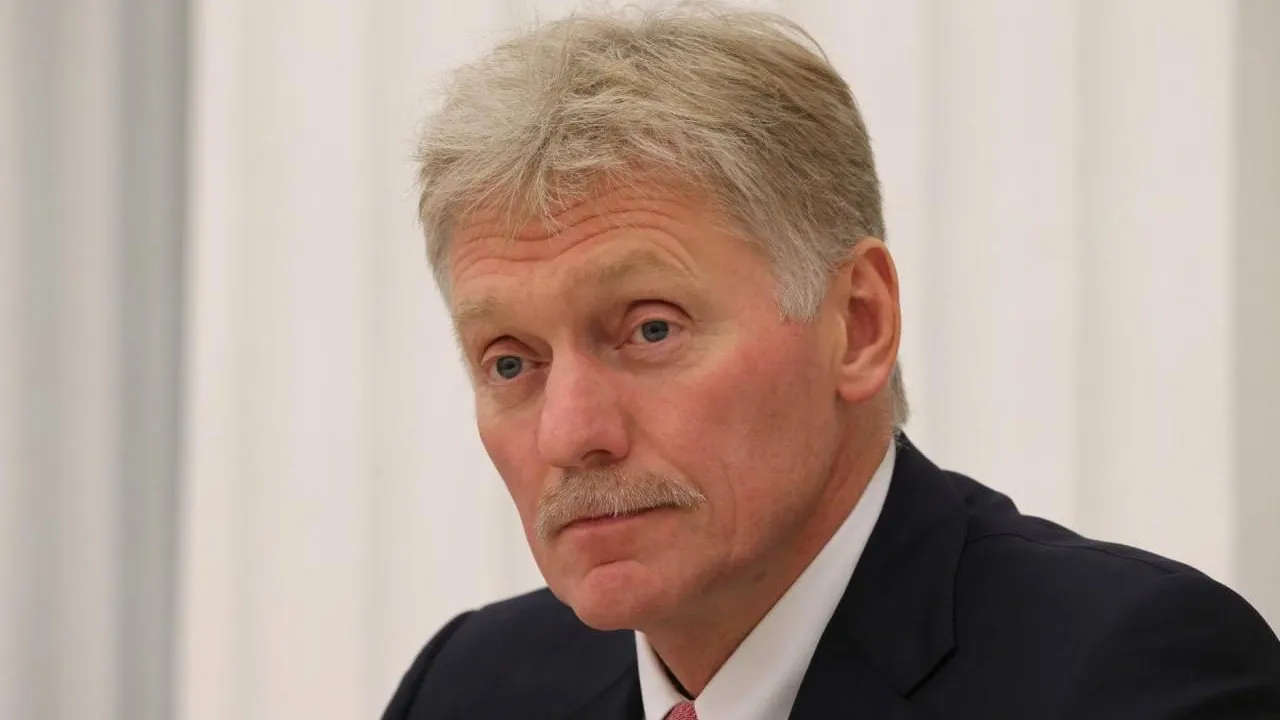
New Delhi, Sep 2026 : The delivery of Russia’s S-400 Triumf air defence systems to India in 2026 is expected to remain an important subject of discussion between Russian President Vladimir Putin and Prime Minister Narendra Modi during their upcoming meeting in New Delhi on Friday, Kremlin spokesperson Dmitry Peskov said on Tuesday.
Speaking to Indian media during a virtual briefing hosted by Sputnik India, Peskov said Russia remained capable of meeting its commitments under defence agreements with India and would fulfil its obligations regarding the S-400 systems.
“Russia is capable of fulfilling its obligations, and they will be fulfilled. This issue is being mentioned during the conversations of our two leaders,” Peskov said, referring to the discussions between Putin and Modi.
India and Russia signed a $5.43 billion agreement in 2018 for the procurement of five S-400 Triumf air defence missile systems. The delivery of the remaining two systems under the original contract is expected to be completed this year.
The S-400 is a long-range surface-to-air missile system designed to detect and engage a range of aerial threats, including aircraft and missiles. Its induction has significantly strengthened India’s air defence capabilities, particularly around strategically important areas.
The issue has gained additional significance following the Defence Acquisition Council’s approval in March for the procurement of additional S-400 systems from Russia. The DAC, chaired by Defence Minister Rajnath Singh, cleared several major proposals aimed at enhancing the operational capabilities of the Indian armed forces.
For the Indian Air Force, the proposals included the acquisition of Medium Transport Aircraft, additional S-400 Long Range Surface-to-Air Missile Systems, Remotely Piloted Strike Aircraft and the overhaul of Su-30 aircraft engine aggregates.
The Ministry of Defence had said the induction of Medium Transport Aircraft would replace ageing AN-32 and IL-76 transport fleets and help meet the strategic, tactical and operational airlift requirements of the armed forces.
Explaining the operational significance of the acquisitions, the ministry said the S-400 would help counter long-range aerial threats targeting vital areas, while Remotely Piloted Strike Aircraft would support offensive counter-air and coordinated air operations as well as stealth intelligence, surveillance and reconnaissance missions.
The overhaul of Su-30 aero engines and their aggregates, meanwhile, is expected to extend the service life of the aircraft and address the operational requirements of the Indian Air Force.
Against this backdrop, Peskov on Tuesday emphasised that defence cooperation would remain a key component of the broader India-Russia strategic partnership. He said Moscow was prepared to share advanced military technologies and equipment with New Delhi while highlighting the evolution of bilateral cooperation from conventional buyer-seller arrangements to joint production.
Peskov specifically referred to the BrahMos supersonic cruise missile programme, a flagship example of India-Russia defence cooperation. He said the two countries should now explore opportunities to enhance the missile system by introducing additional capabilities, improving its effectiveness and strengthening its competitiveness in international markets.
“We are satisfied with our cooperation in the military field and in the technical-military field with India. It has very rich traditions, and it is a deeply rooted cooperation,” Peskov said.
He noted that India and Russia had moved beyond simply purchasing military equipment from one another and had established mechanisms for joint production, with BrahMos serving as a prominent example.
Peskov said the next phase should focus on further improving jointly produced systems, adding new capabilities and enhancing their operational effectiveness.
The Kremlin spokesperson also said military and technical cooperation would feature prominently during Putin’s visit to New Delhi, but cautioned that sensitive defence matters would not be discussed publicly in detail.
“Cooperation in the military field is a very sensitive sphere,” Peskov said, adding that there were several issues that would be discussed during the Russian president’s visit.
The Putin-Modi meeting is expected to provide an opportunity for both sides to review the progress of longstanding defence projects, discuss future acquisitions and explore avenues for deeper military-technical cooperation between the two countries.
(Disclaimer :The content of this article is sourced from a news agency and has not been edited by the Mavericknews30 team.)