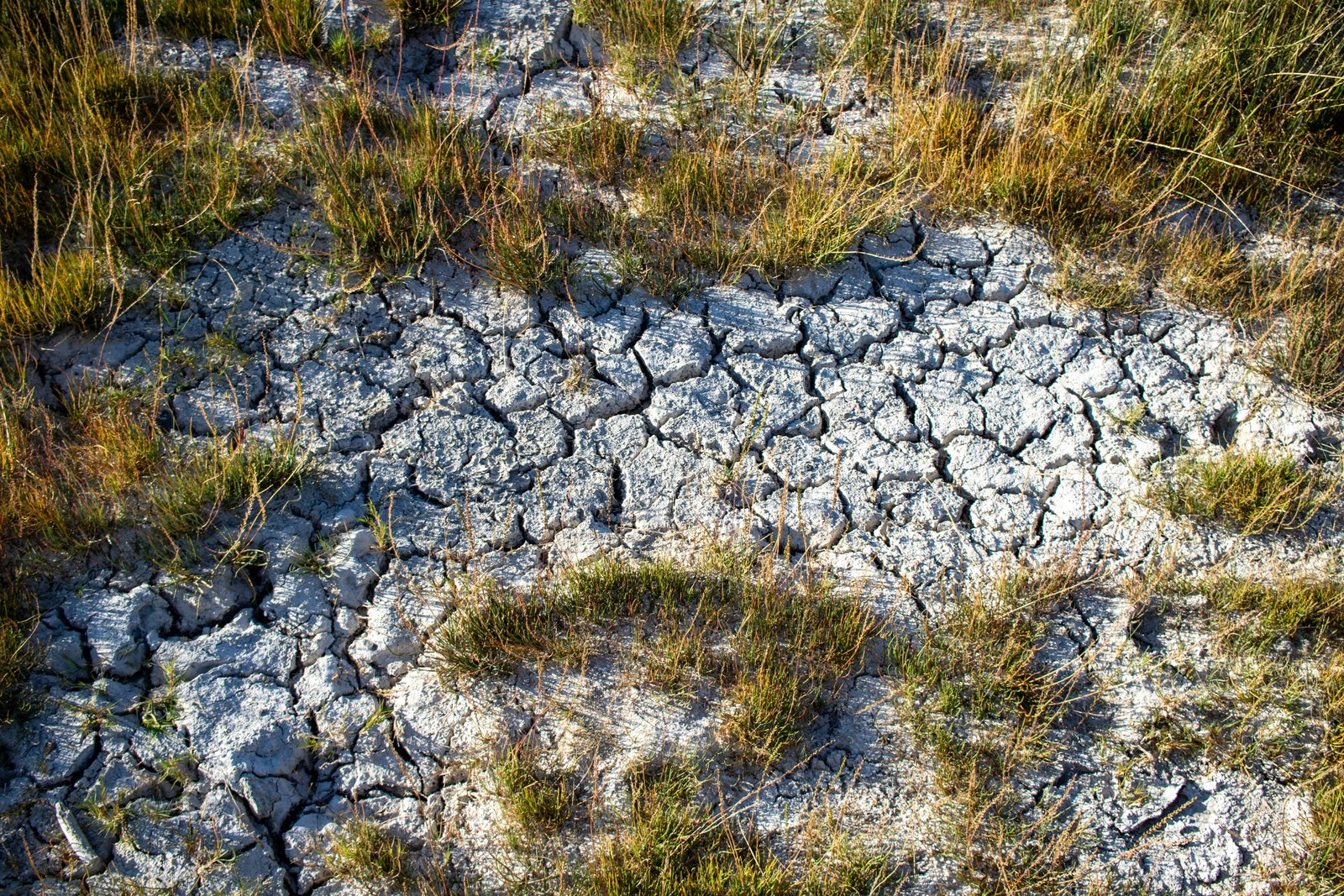
Beijing; September 2026: Scientists from the South China Botanical Garden (SCBG) of the Chinese Academy of Sciences (CAS), has demonstrated that global warming is changing not only how frequently, intensely and persistently heat waves occur but also when they occur and how rapidly they develop.
In the new study, the research team has analysed global climate data from 1979 to 2023, examining changes in seasonal heat wave onset and end dates, heat wave season length and the onset speed of the first heat wave of each season. Heat waves over land worldwide are beginning earlier, ending later and occurring over longer seasons, while the first heat wave of the season has recently shifted toward faster onset, according to the latest study.
The researchers found that, on average, the first heat wave began 3.29 days earlier per decade, while the last heat wave ended 5.41 days later per decade, extending the heat wave season by 8.71 days per decade. Over the 45-year study period, the first heat wave advanced by about two weeks, the last heat wave occurred about 24 days later in the year and the heat wave season lengthened by about 39 days.
Across global land areas, 72% showed a trend toward earlier heat wave onset, 79.6% toward later heat wave end dates and 92.1% toward longer heat wave seasons, with generally greater changes observed in drylands. The researchers also classified the first heat wave of each season as rapid, moderate or slow, onset based on the relative timing of the temperature peak within each event.
It has been cited that from 2001 to 2023, the proportion of rapid-onset first heat waves within heat wave-affected land areas increased significantly, indicating a recent shift toward faster heat wave onset. These findings suggest that heat wave risks depend not only on how hot events become and how long they last but also on when they arrive and how quickly they develop.
The study also found that longer heat wave seasons are expanding crop exposure to extreme heat. From 2001 to 2023, the proportion of crop areas exposed to heat waves during critical reproductive stages, such as flowering and silking, increased by between 1.6% and 13.3% for several major crops compared with 1979–2000. Heat wave exposure also extended into earlier and later stages of crop development.
"In the past, we have mostly focused on whether heat waves are becoming more frequent, stronger and longer. Our study further shows that their timing and onset speed are also changing. If heat waves arrive earlier and develop more rapidly, the time available for societies and ecosystems to prepare and adapt could become even shorter", said Xu Wenfang of SCBG, the principal scientist .
According to the researchers, the study provides new insights into global heat wave changes by highlighting heat wave timing and development speed as important aspects of climate risk.
The findings provide scientific evidence for improving extreme-heat monitoring and early-warning systems. Alongside temperature intensity and duration, the timing of heat wave onset and end, as well as how rapidly the first heat wave of the season reaches its temperature peak, could also be considered in heat monitoring and risk assessment.
Such information could help improve heat wave risk assessment and support adaptation strategies across public health, agriculture, ecosystem management and energy supply, the researchers added.
Scientific Evidence For Improving Extreme-Heat Monitoring And Early-Warning Systems –
Earlier on this day (September 26) in the year 2022 – University of Surrey have demonstrated that England's extreme weather warning system could be further refined to help mitigate the public health effects of heat waves. While the current alerting system is already effective in mitigating these effects, researchers found that moving further towards an impact-based alert system which focuses on the repercussions of extreme weather conditions could enable participants, including the NHS and local government, to make more informed decisions.
In practice, this would mean providing a more detailed picture of the specific conditions each area of the country will likely face when an alert is issued. Temperature levels within a Level 3 alert, for example, can range significantly, with wide-ranging impacts, and this must be clearly communicated so appropriate risk assessments can be made. The research also emphasised that any new system would have to be able to make clear distinctions between different types of weather events and provide a clear indication of affected geographical regions.
Dr. Tom Roberts, scientist at the University of Surrey says that "Early warning systems are central to improving the resilience of emergency workers, and they are an important tool that allows us to adapt to a changing climate that features more frequent extreme weather events. Our research suggests that the current tools in place are effective, but could begin to provide richer information to first responders and other stakeholders to help further mitigate the impacts of these extreme weather events".
The summer of 2020 saw an estimated 2,556 excess deaths during episodes of heat in England—the highest since the Heatwave Plan introduced by the U.K. government in 2004.
According to modelling undertaken as part of the third Climate Change Risk Assessment (CCRA3) for the U.K., excess deaths due to hot weather could rise to around 7,000 by 2050 and around 12,500 per year by 2080.
Ross Thompson, principal environmental public health scientist at the U.K. Health Security Agency, have said: "although our current alert system is working well, it is kept under constant review and we will continue to focus on how it can be further refined to reduce the impacts of heat waves. Understanding the relationship between extreme weather alerting systems, public health and the delivery of health and social care services is of central importance when planning an effective response to future extreme events. As we have been clear, extreme weather events lead to increased weather-related illness and excess deaths, and we are likely to see an increase as a result of climate change. We welcome this important research which will help inform our development of the current systems".
Excess deaths also occur due to extremely cold temperatures, and both ends of extreme temperatures present a significant risk to public health, particularly those with pre-existing chronic medical conditions, older people (especially those over 65) and those who are frail or socially isolated.
Dr. Tom Roberts have expressed his anguishment that their "research also raised the issue of alert fatigue, particularly when the geographical focus of the alerts covered a very broad geographical area and could lead to alerts being sent out to emergency planners and health and social care delivery staff in unaffected areas. Research participants agreed that focusing on the potential impact and likelihood of an event happening would lead to better-informed decision making".
Team Maverick.