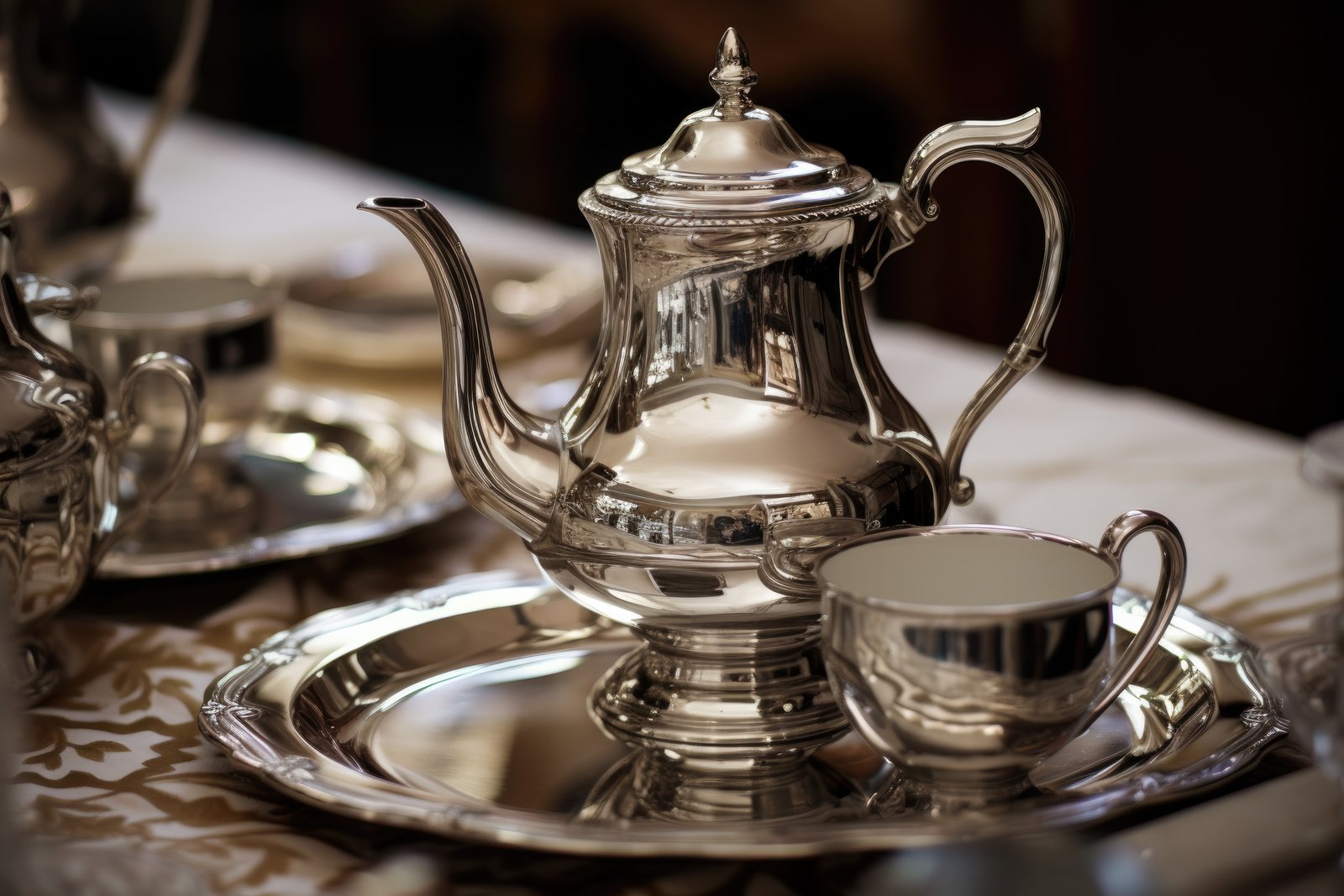
Recent decline in silver prices brings relief to buyers, while global trends, dollar movements and industrial demand remain key factors influencing the market
New Delhi, Sept 2026 : Silver prices have come under pressure in the Indian market, with rates declining across major bullion markets and drawing renewed attention from both buyers and investors. The recent movement has been particularly significant as silver remains an important precious metal in India, used not only as an investment asset but also for jewellery, coins, utensils and religious purposes.
Recent market data showed a sharp decline in silver prices on the Multi Commodity Exchange (MCX), with silver falling by nearly Rs 7,000 per kg in one session on September 28. The decline came amid weakness in global precious-metal markets and changing expectations over interest rates.
The fall in prices has brought the silver market back into focus ahead of the festive season, when demand for precious metals traditionally increases. For households planning to purchase silver jewellery, coins or articles for religious and ceremonial purposes, lower prices can influence the timing and size of purchases.
Silver has a special place in the Indian market because of its association with both tradition and investment. It is commonly purchased during weddings, festivals and religious occasions, while investors also use it as an alternative precious-metal asset. Unlike gold, silver is relatively more affordable for small buyers, making it accessible to a wider section of investors.
Why are silver prices falling?
Silver prices are influenced by several domestic and international factors. Movements in global silver prices, changes in the value of the US dollar, interest-rate expectations, industrial demand and investor activity can all affect prices in India.
The recent decline has been linked partly to weakness in international precious-metal markets. Rising global oil prices have also contributed to inflation concerns and strengthened expectations of interest rates remaining higher, putting pressure on precious metals, according to market reports.
Unlike gold, silver has a substantial industrial component to its demand. The metal is widely used in electronics, solar panels, electrical equipment and several manufacturing applications. It is also increasingly relevant to clean-energy technologies and electric vehicles. Consequently, changes in industrial production and global economic activity can have a direct impact on silver prices.
Rates vary across cities
Silver prices can differ from one city to another because of local demand, transportation costs, taxes and market conditions. Recent data from Lucknow and Patna illustrate this variation. On September 27, silver was quoted at around Rs 2.66 lakh per kg in Lucknow and Rs 2.64 lakh per kg in Patna. Both markets had recorded relatively small day-to-day movements, highlighting how local rates can differ from broader futures-market prices.
Delhi and other major bullion centres also closely track international and domestic market movements. Retail buyers should therefore check the latest local rate before making a purchase rather than relying on an earlier quoted price.
Silver as an investment option
Silver has traditionally been considered an accessible precious-metal investment. Its lower per-unit price compared with gold allows smaller investors to enter the market without committing as much capital.
At the same time, silver's industrial applications have increased its strategic importance. Growing demand from solar-energy equipment, electronics and electric mobility could influence long-term consumption. However, industrial demand can also fluctuate with economic conditions, meaning silver prices can experience considerable volatility.
Investors should therefore distinguish between short-term price movements and longer-term investment objectives. A decline in prices does not automatically indicate that rates will continue falling, just as a short-term rise does not guarantee further gains.
What buyers should check before purchasing
Customers buying physical silver should pay attention to purity as well as the quoted price. Certified silver should be preferred, and buyers should obtain a proper bill showing the weight, purity and applicable charges.
For jewellery and decorative articles, the final purchase price may be higher than the prevailing silver rate because making charges and other applicable costs are added. Buyers should compare these charges before completing a transaction.
Silver coins and bars may also have premiums over the underlying market price depending on the seller, brand, weight and purity.
What next for silver prices?
The direction of silver prices will depend on a combination of global market trends, currency movements, interest-rate expectations, industrial demand and investor sentiment. Domestic festive demand could also influence retail prices in the coming weeks.
For now, the recent decline has increased the attention of buyers in Delhi, Uttar Pradesh, Bihar and other major markets. However, prices remain volatile and can change quickly.
With silver serving both traditional and industrial purposes, its market outlook will continue to be shaped by developments far beyond the domestic bullion market. Buyers and investors should check the latest city-specific rates, compare total purchase costs and consider their own requirements before making a decision.
(Disclaimer :The content of this article is sourced from a news agency and has not been edited by the Mavericknews30 team.)