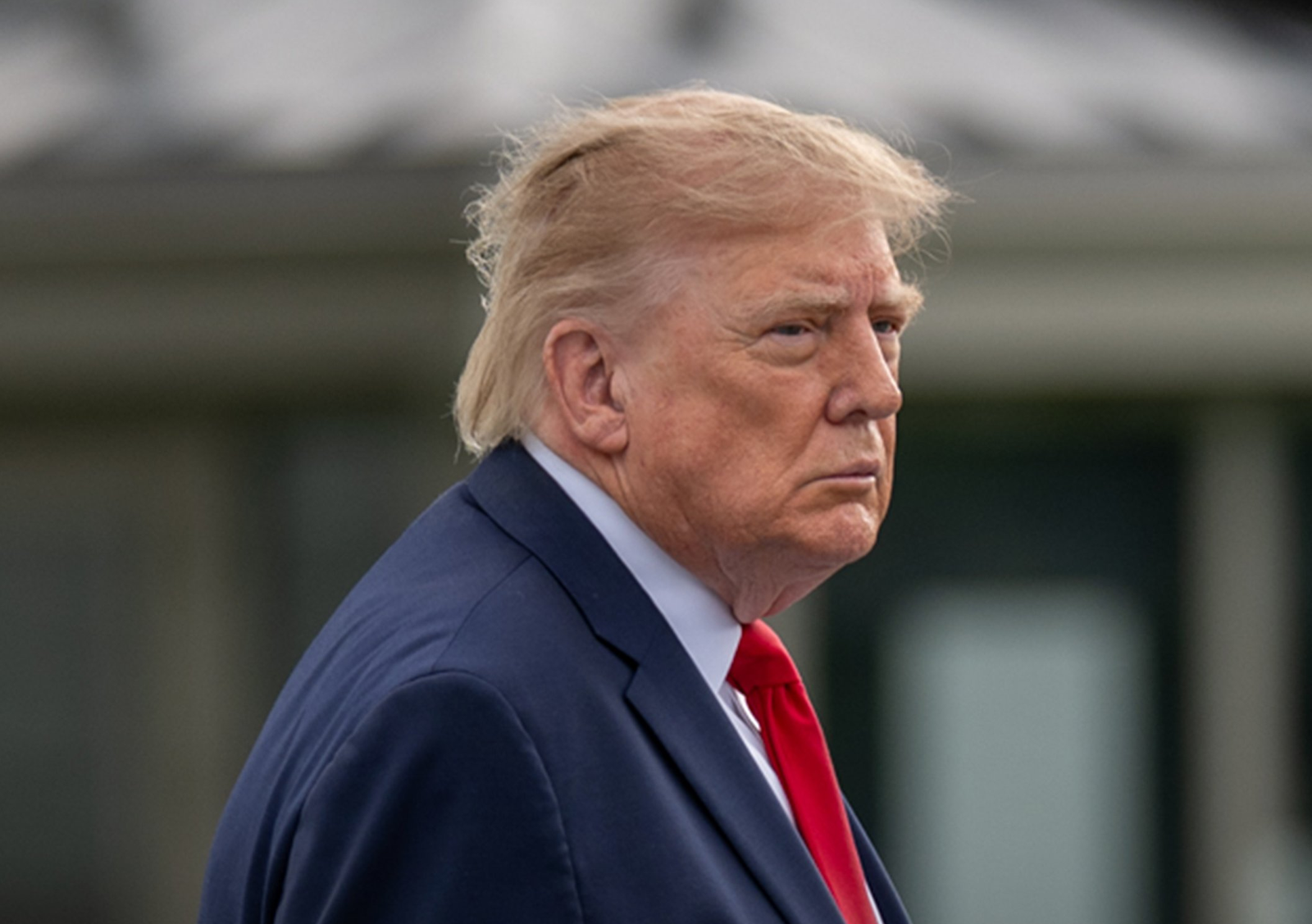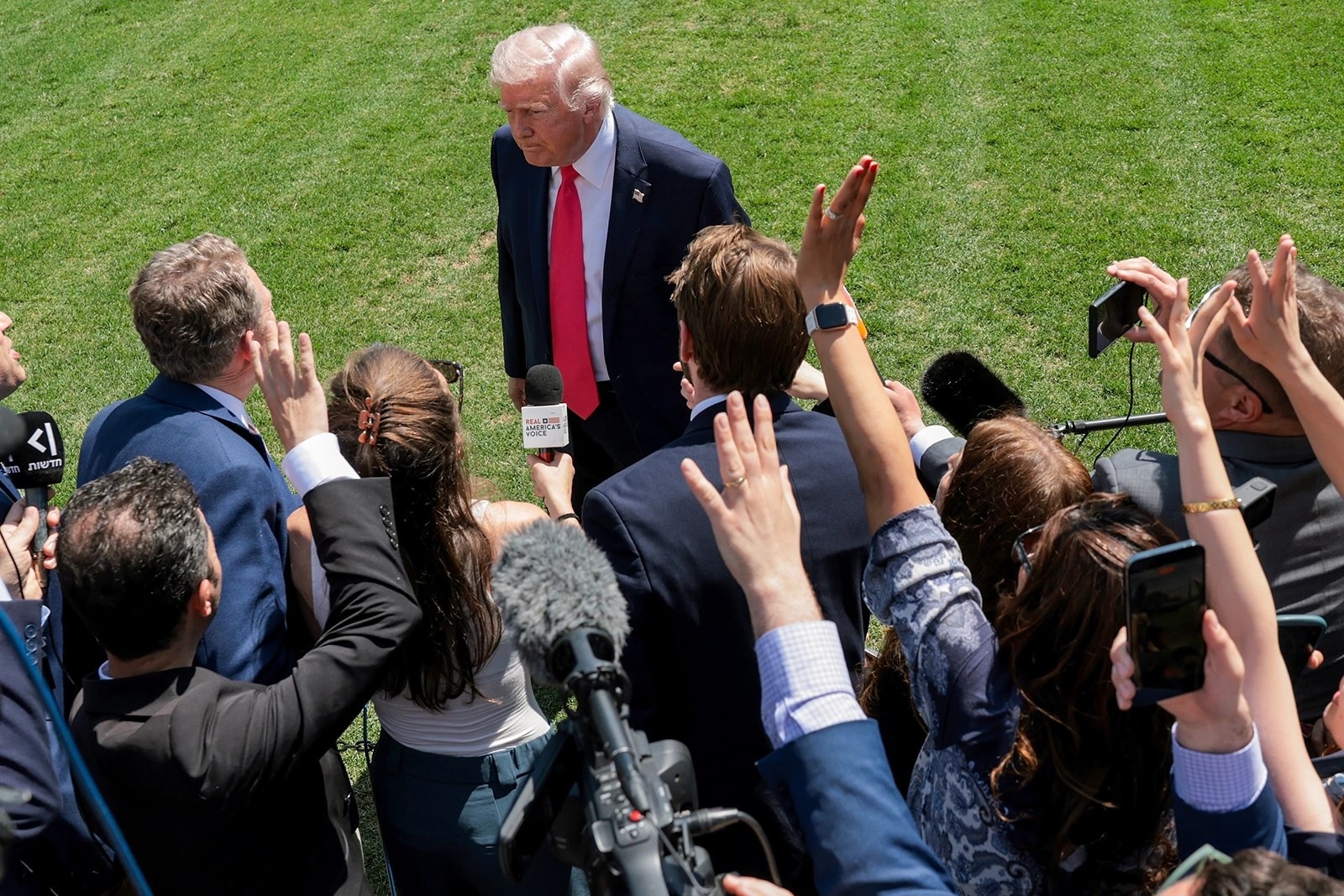
Seoul, Aug 2026 : South Korea and the United States have decided to significantly scale back their annual combined Ulchi Freedom Shield (UFS) military exercise following a request from Washington, with US President Donald Trump arguing that the drills could send an unnecessarily hostile message to North Korea.
The allies will conclude this year’s exercise on Friday, bringing the 11-day military exercise to an early end, South Korea’s Joint Chiefs of Staff (JCS) and the US Department of Defense said. The UFS had originally been scheduled to continue until August 27.
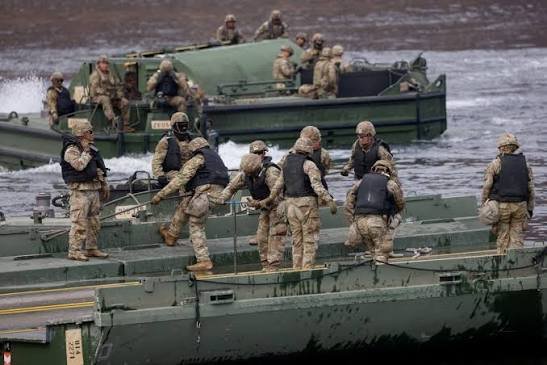
The reduction will also affect field training exercises, which form an important component of the annual drills. The two militaries are discussing the details of how the live-training activities will be adjusted, with some exercises expected to be cancelled, postponed or conducted separately.
The Pentagon described the changes as a “substantial” reduction in the scale of the exercise but stressed that the move would not compromise the military readiness of the two allies.
“These adjustments preserve essential readiness and training objectives. There will be no degradation to US training objectives,” a Pentagon official said.
The decision follows Trump’s call on Sunday for the allies to reduce the scale of their joint military exercises. Trump cited the financial burden associated with the drills as well as his relationship with North Korean leader Kim Jong-un. He also argued that large-scale exercises send a “totally inappropriate and hostile” signal to Pyongyang.
The UFS is one of the two major theatre-level combined military exercises conducted annually by South Korea and the United States. It is primarily a simulation-based command-post exercise designed to prepare the allies for contingencies involving North Korea. However, it also incorporates extensive field manoeuvres involving ground, naval and air forces.
The exercise generally follows a two-phase structure, with the first phase concentrating on defensive operations and the second focusing more heavily on counterattack scenarios following an assumed enemy assault.
South Korean Defence Minister Ahn Gyu-back said shortly after Wednesday’s announcement that the second phase of the exercise was effectively being cancelled.
“We appear to be leaning toward cancellation,” Ahn told reporters.
Signs that the exercise could be altered had already emerged a day earlier when US Forces Korea Commander General Xavier Brunson, who also serves as the commander of the Combined Forces Command (CFC), made an unannounced visit to South Korea’s Defence Ministry and met Ahn.
The CFC is conducting the UFS from two separate command posts — the wartime CP Tango bunker in Seongnam and Camp Humphreys in Pyeongtaek, around 50 km south of Seoul. Camp Humphreys serves as the CFC’s peacetime headquarters.
The decision to operate from separate command posts reflects the adjustment in the scale and structure of this year’s exercise, according to the JCS.
The allies had originally planned 14 field manoeuvres involving battalion-level or larger units. Those activities are also being reduced. Military officials are considering whether some live exercises should be conducted independently by South Korea, while others could be held separately by the two militaries or postponed until a later date.
“South Korea and the U.S. agreed to discuss and carry out various measures going forward to achieve the objectives of the UFS exercise and establish a robust combined defence posture,” the JCS said.
The scaling back has nevertheless raised questions in Seoul because the exercise is closely linked to South Korea’s preparations to eventually assume wartime operational control, or OPCON, of the combined forces from Washington.
South Korea has been seeking to accelerate the OPCON transition process and complete the second phase of a three-stage, conditions-based transition plan agreed upon with the United States. The government hopes to establish a target timeline by the end of this year, with President Lee Jae Myung’s administration seeking to complete the transfer before its five-year term ends in June 2030.
Ahn rejected concerns that the reduced exercise could affect the OPCON process. He said the evaluation of South Korea’s capabilities related to the transfer takes place during the first week of the exercise, which will be completed as scheduled.
The South Korean Defence Ministry also sought to reassure the public that the scaled-back drills would not weaken deterrence against North Korea.
The decision has drawn comparisons with Trump’s first presidency, when Washington and Seoul reduced or suspended several large-scale military exercises in 2019 amid intensive nuclear diplomacy between Trump and Kim. However, officials note that the earlier reductions were the result of consultations between the two allies, whereas the latest adjustment followed a direct request from Washington.
The timing of the announcement has also fuelled speculation that diplomatic engagement between Trump and Kim could resume.
The Wall Street Journal reported that Trump is seeking another face-to-face meeting with the North Korean leader this autumn. Such a meeting could potentially take place during Trump’s expected visit to China for the Asia-Pacific Economic Cooperation (APEC) summit.
North Korea has consistently condemned US-South Korean military exercises, describing them as rehearsals for an invasion. Pyongyang has frequently responded to the drills with missile launches and other weapons tests.
Seoul and Washington, however, maintain that the exercises are defensive and necessary to maintain combined military readiness.
The latest reduction therefore reflects a delicate balancing act: the allies seek to preserve their defence preparedness while avoiding steps that could further complicate efforts to reopen dialogue with Pyongyang.
(Disclaimer :The content of this article is sourced from a news agency and has not been edited by the Mavericknews30 team.)