Chief Minister Holds Open Interaction with Influencers from Across the Country at ‘Digital Democracy Dialogue’
Gadchiroli to Become India’s ‘Steel City’ in the Next Five to Ten Years; Target to Provide Employment to One Lakh Local Youth
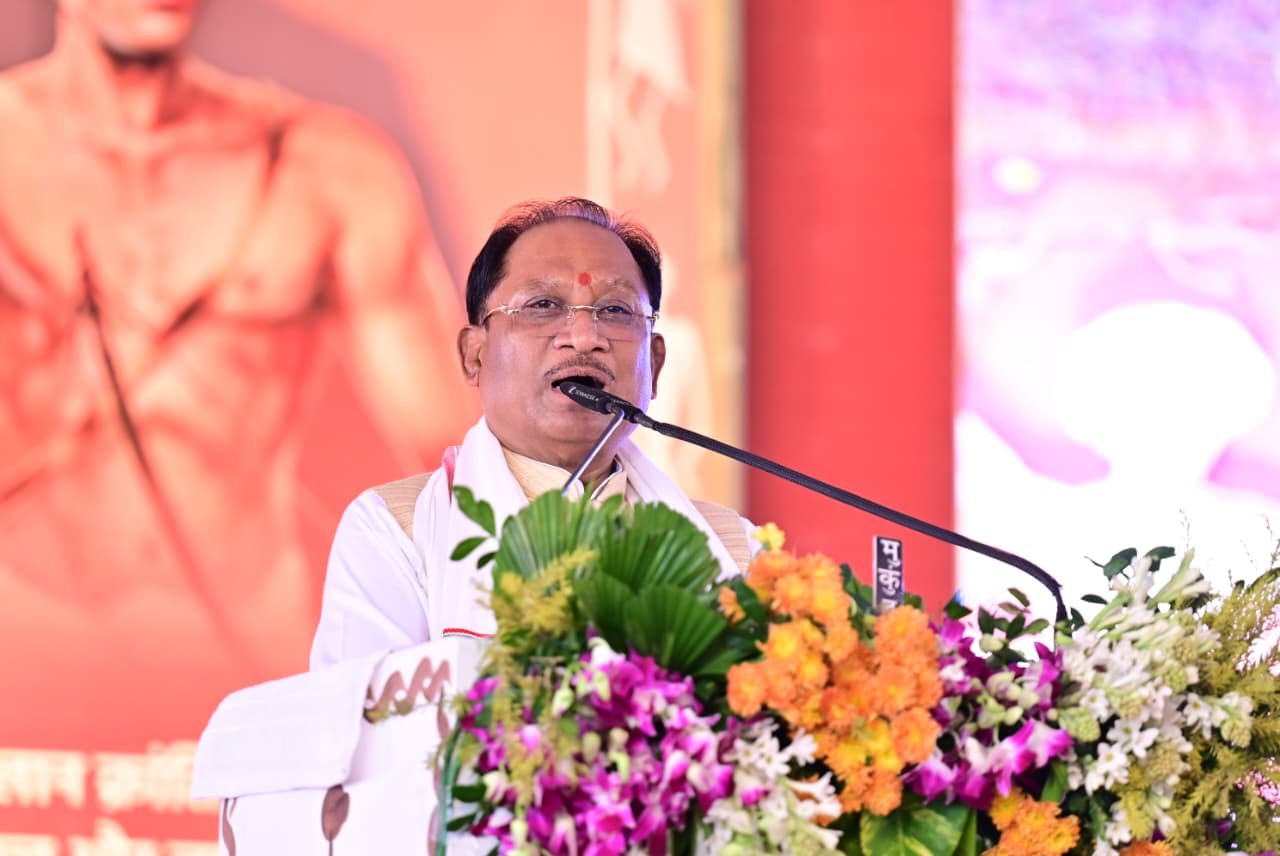
Gadchiroli, November 2026 : Emerging from the influence of Naxalism, Gadchiroli district is entering a new era of development. Social media influencers and content creators should take the initiative to bring the district’s transformation story to the entire country, particularly the changes taking place in security, industry, education, employment and infrastructure. They should use their first-hand experiences and objective information to present Gadchiroli’s changing identity to the nation through digital platforms, Chief Minister Devendra Fadnavis said.
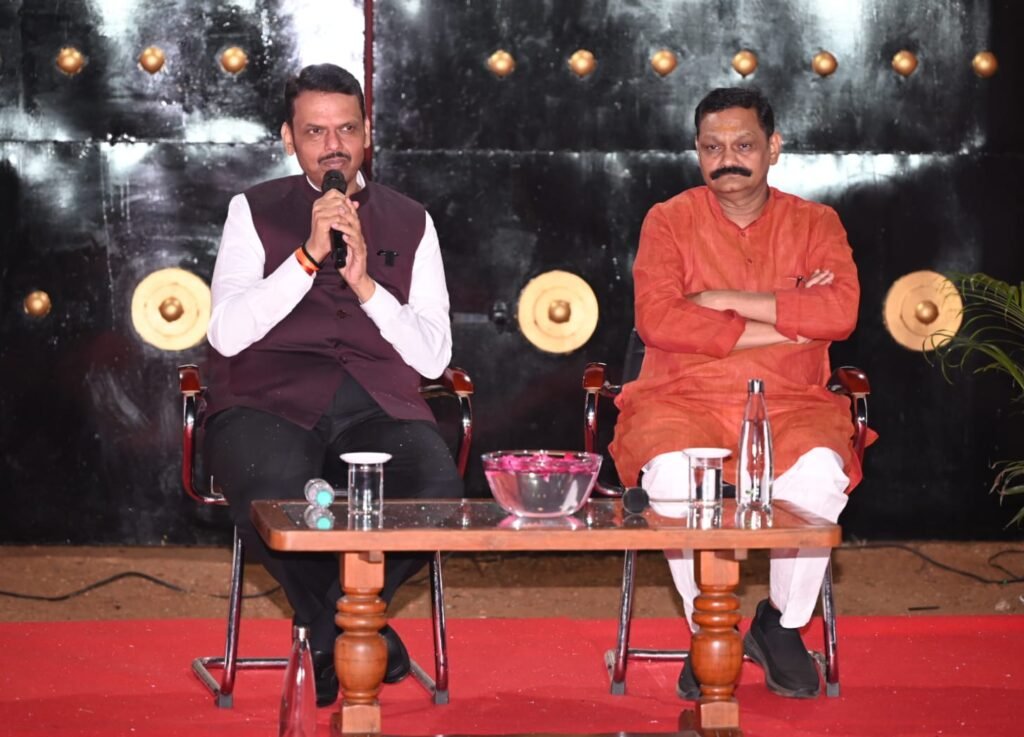
At the ‘Gadchiroli Digital Democracy Dialogue’ held last night at the Gadchiroli Police Headquarters grounds, Chief Minister Fadnavis held an open interaction with social media influencers and content creators who had arrived from different states across the country. He gave detailed responses to questions on the eradication of Naxalism, surrender of Maoists, industrial development, tribal welfare, employment, infrastructure, land acquisition, youth leadership and the role of social media.
Tribal Development Minister Dr Ashok Uike, Guardian Minister (Co-Guardian Minister) Adv. Ashish Jaiswal, MLA Dr Milind Narote, MLA Bunty Bhangdiya, Special Inspector General of Police, Anti-Naxal Operations, Sandeep Patil, District Collector Avishyant Panda, Zilla Parishad Chief Executive Officer Suhas Gade and Superintendent of Police M. Ramesh were present.
Gadchiroli to Become India’s ‘Steel City’
The Chief Minister said that over the next five to ten years, Gadchiroli would be developed as the country’s ‘Steel City’ and a ‘Green Steel Hub’ for environmentally friendly steel production. The value addition of the district’s mineral resources must take place within the district itself. Instead of merely transporting raw materials elsewhere, the government’s policy is to establish industries locally and provide employment to tribal youth, he said.
He stated that the target was to provide employment to one lakh local youth through upcoming industrial projects. At present, 75 to 80 per cent of jobs in industries operating in the region were being provided to local people. The aim was to produce steel at a cost lower than that in China within the next three to four years. Sustainable mining practices and environment-friendly technologies would be adopted to achieve this objective.
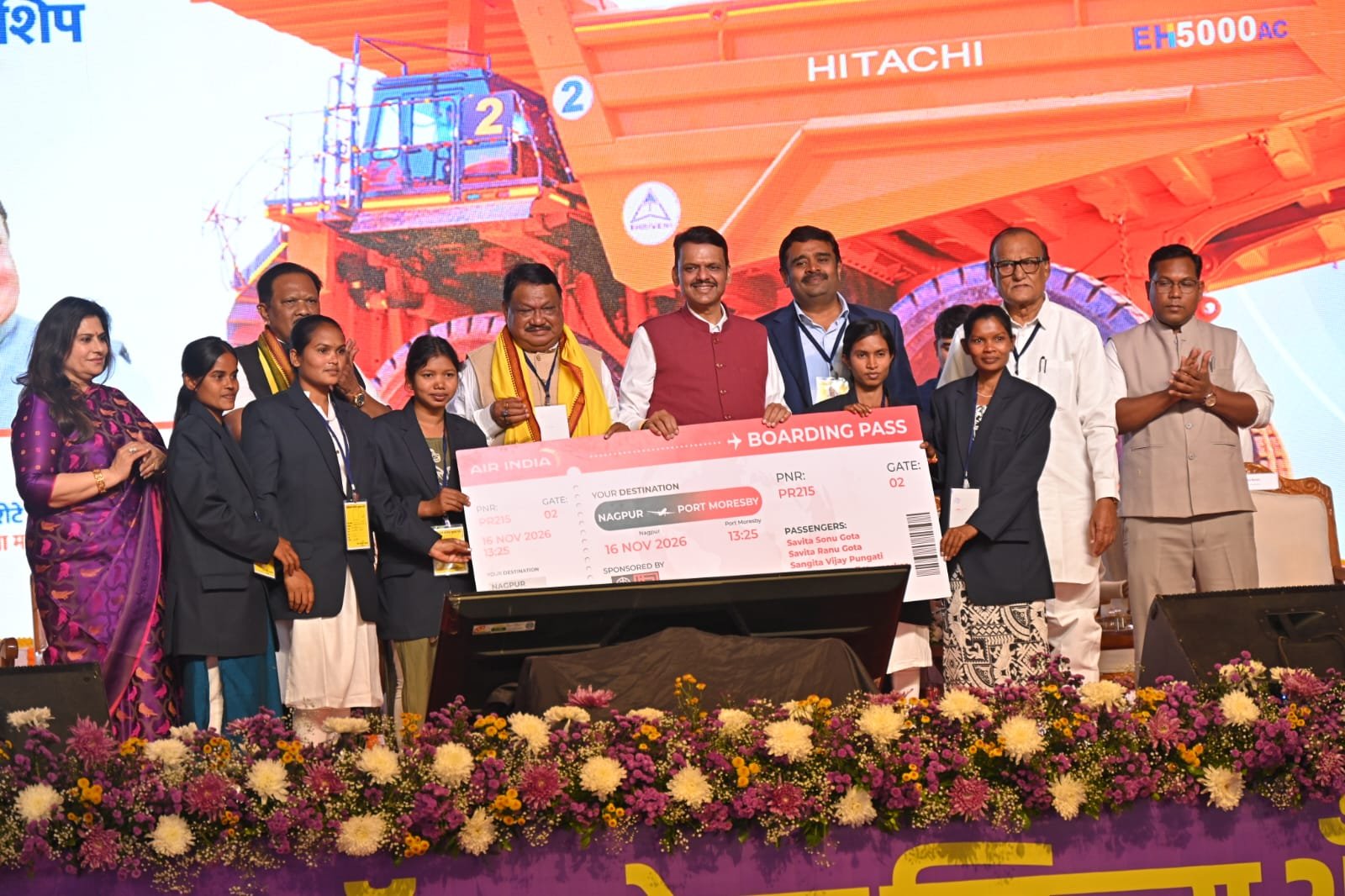
He also informed the gathering that an agreement had been signed between Gondwana University and Curtin University in Australia to develop the skills of local youth. Fifty students from economically weaker and tribal communities in the district were currently undergoing training in the mining sector in Australia.
Samruddhi Expressway Extension and Dedicated Freight Rail Corridor Planned
The Hinduhridaysamrat Balasaheb Thackeray Maharashtra Samruddhi Mahamarg will be extended to Chandrapur, Gadchiroli, Bhandara and Gondia districts. Land acquisition for the route connecting Gadchiroli has been completed and tenders have also been issued. Actual construction work is expected to begin within the next two to three months, the Chief Minister said.
He also expressed the government's intention to establish a dedicated freight railway corridor connecting Gadchiroli with the JNPT and Vadhavan ports via Nashik, Jalna and Wardha. This would enable steel produced in Gadchiroli to be transported directly to international ports.
A plan has also been prepared for the Wainganga-Painganga river-linking project to provide water to drought-prone areas of Vidarbha. Through this approximately 550-km-long project, the government intends to distribute 100 TMC of water to various regions, he said.
Success Against Naxalism Has Changed Gadchiroli’s Identity
Speaking about Naxalism, the Chief Minister said that the situation in the district had undergone a major transformation due to the courage of the Maharashtra Police and C-60 personnel, along with the efforts of the Central and State governments. He recalled that when he stayed in Gadchiroli in 2015, the atmosphere was marked by considerable fear. Today, not a single armed Maoist remains in the district, he said.
He pointed out that more than 100 police officers were now waiting for an opportunity to serve in Gadchiroli, which was once considered a ‘punishment posting’.
Responding to a question about the surrender of Maoist leader Bhupathi, the Chief Minister said that police operations had put the Maoist organisation under considerable pressure. The respectful treatment and rehabilitation opportunities provided to those who surrendered had strengthened Bhupathi’s confidence. His surrender also inspired other Maoists to return to the mainstream, he said.
Responding to a question from Tanya Vats of Madhya Pradesh on whether surrendered Maoists would return to violence, Fadnavis said Maharashtra’s rehabilitation policy had been successful. Many people who surrendered 15 to 16 years ago were now leading normal lives. The delivery of roads, electricity, water and government schemes to remote areas had increased people's faith in the administration, he explained.
Priority to Local Tribal Interests; Land Acquisition Through Dialogue
Shobh, a representative of ‘The Better India’, asked how local tribal communities would directly benefit from mining activities. The Chief Minister said that companies had been given conditions requiring them to establish production facilities within the district in the next three to four years. Industrial development would be undertaken only after taking local people into confidence, he said.
On land acquisition, he said that dialogue was more effective than coercion in a democracy. Referring to the land acquisition processes for the Samruddhi Expressway and Purandar Airport, he said that the government was focusing on taking development projects forward in Gadchiroli through discussions with farmers as well.
Diptesh Sonawane, a content creator from the tribal community, shared his first-hand experience of seeing road, electricity and water infrastructure projects, as well as efforts to preserve tribal places of worship in remote areas. Responding to him, the Chief Minister said that the administration had given special attention to strengthening the confidence of people living in remote areas in the government.
Youth Participation and the Growing Responsibility of Social Media
Soham from Nashik asked about opportunities for young people to enter political leadership. The Chief Minister said that youth participation in local self-government institutions was increasing. He estimated that by 2029, the number of voters in the 18–28 age group in the country would be around 30 to 35 crore. Efforts were also being made to engage with young people through the ‘Yuva Warriors’ initiative, he said.
Adv. Riya Khanolkar from Mumbai raised a question about misinformation on social media. The Chief Minister said that social media had become an effective platform for disseminating information. Young content creators should verify the authenticity of information and present objective and positive content before society, he said.
Nirajan Shah from Kolkata asked about ideological Naxalism and the industrial situation in West Bengal. The Chief Minister said that misleading propaganda about development needed to be countered through well-researched and logical videos. He also informed the gathering that some steel industries from West Bengal had acquired land in Gadchiroli for investment.
Planned Urban Development and Forest Conservation
Shantanu Joshi from Mumbai asked how the government planned to prevent traffic congestion and unauthorised settlements in Gadchiroli as industrialisation progressed.
The Chief Minister said that urban planning had been underway through the District Collector for the past one-and-a-half years. An outer ring road was being planned to manage traffic, and industries had been instructed to make arrangements for residential accommodation for their workers.
He clarified that industrial development would take place alongside the conservation of Gadchiroli’s forests. Protecting tribal culture, traditions and natural resources remained a priority for the government, he said.
‘I Will Keep Coming’ – Chief Minister’s Reply Evokes Laughter
During the interaction, a young participant asked the Chief Minister what the title of a biopic on his life would be and who would play the lead role.
Responding humorously, the Chief Minister said, “I will play the lead role myself, and the film will be titled ‘Mi Yetach Rahin’ (I Will Keep Coming).” His reply brought laughter among the audience.
Initiative Showcases Tribal Art and Culture: Dr Ashok Uike
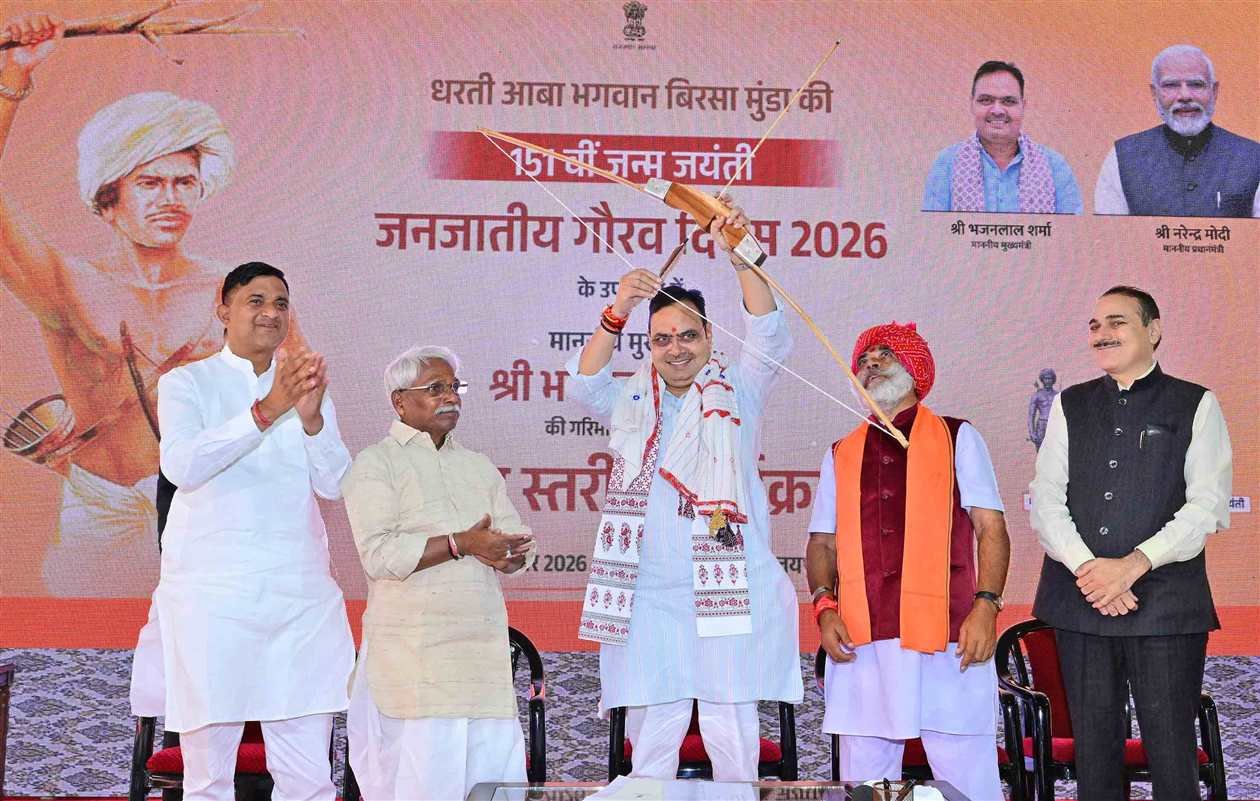
At the beginning of the programme, Tribal Development Minister Dr Ashok Uike spoke about the event. He said that, on the occasion of the 151st birth anniversary of Bhagwan Birsa Munda, the ‘Bhagwan Birsa Kala Sangam’ programme had been organised featuring artists selected through a selection process involving around 40,000 tribal artists from across Maharashtra.
Influencers from across the country had visited different parts of Gadchiroli on November 12 and 13 to experience first-hand the district’s development works, tribal culture, deities and traditions. He expressed confidence that these visits would help take the district’s changing identity to people across the country.
The transformation of Gadchiroli is a development journey driven by security, good governance, industrialisation and the participation of local people. Chief Minister Devendra Fadnavis urged influencers who had arrived from different parts of the country to use digital platforms to take the reality of this transformation, tribal culture and emerging development opportunities to every corner of the nation.