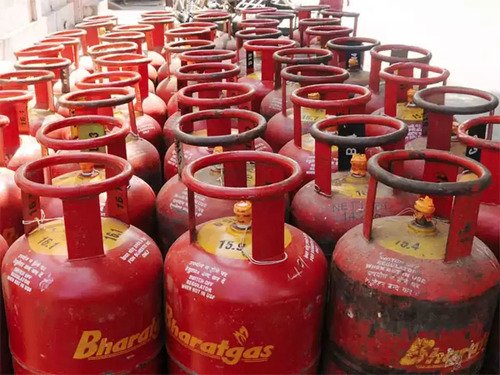
Chennai, August 2026 : The Tamil Nadu government has announced a major household welfare initiative under which eligible families will receive financial assistance equivalent to the cost of three domestic LPG cylinders every year. Named the “Annapoorani Super Six” scheme, the programme is expected to benefit nearly 1.30 crore families across the state.
The scheme is scheduled to be rolled out from the Pongal festival in January, with the state government estimating an annual financial requirement of around Rs 4,000 crore. The initiative is aimed at providing relief to households facing rising expenses on cooking fuel and ensuring continued access to clean cooking energy.
Under the proposed mechanism, beneficiaries will continue to purchase LPG cylinders through the existing distribution network. The cost of up to three cylinders purchased during a year will subsequently be credited directly to the registered bank accounts of eligible households.
The government plans to use the direct benefit transfer (DBT) system to ensure that financial assistance reaches beneficiaries efficiently and without intermediaries. The mechanism is also expected to improve transparency and reduce delays in the disbursement of the benefit.
Families with an annual income of up to Rs 2.5 lakh will be eligible to apply for the scheme. The programme is expected to particularly support economically weaker households, small and marginal farmers, families of persons with disabilities and other vulnerable sections of society.
The announcement was made in the Tamil Nadu Legislative Assembly under Rule 110, which enables the Chief Minister to make statements on matters of public importance.
The government is expected to issue detailed guidelines before the implementation of the scheme. These are likely to cover the eligibility criteria, application procedure, verification process, documentation requirements and the mechanism for transferring the financial assistance.
The initiative is primarily aimed at reducing the burden of domestic cooking fuel expenses on low- and middle-income families. With household costs increasing, LPG refills can represent a significant recurring expenditure, particularly for economically vulnerable households. In some cases, families may delay refilling cylinders or resort to traditional fuels such as firewood.
By providing financial support for three LPG cylinders annually, the government hopes to make clean cooking fuel more affordable while encouraging households to continue using LPG instead of smoke-producing alternatives.
The scheme could also have a significant impact on women, who often bear the burden of household cooking and are disproportionately affected when families depend on firewood or other traditional fuels.
Implementation, however, will require extensive coordination between state revenue authorities, civil supplies officials, banks and oil marketing companies. Authorities will need to verify eligible households, ensure accurate LPG consumer records and link beneficiary details with bank accounts.
Further details regarding registration, required documents and the schedule for crediting the assistance are expected to be announced before the scheme’s launch during Pongal.