Chennai, Aug 2026 : The Tamil Nadu government borrowed ₹12,044 crore through bond issues in July alone, highlighting growing pressure on the State’s finances as expenditure continued to remain significantly higher than revenue during the first four months of the current financial year.
The latest fiscal data show that Tamil Nadu recorded total receipts of ₹89,718 crore between April and July. Of this, tax revenue accounted for ₹82,566 crore, while non-tax revenue stood at ₹4,070 crore. The State also received ₹3,082 crore in grants from the Union government during the period.
However, the government’s total expenditure during the same four-month period touched ₹1.23 lakh crore, resulting in a revenue deficit of ₹25,267 crore. The figures have raised questions over the State’s fiscal position and its dependence on borrowing to meet expenditure commitments.
Tamil Nadu generates revenue through several sources, including State Goods and Services Tax, stamp duty and registration fees, land-related receipts, sales and commercial taxes, State excise duty, its share of central taxes, other duties and non-tax revenue. Union government grants also form part of the State’s receipts.
A significant portion of expenditure has gone towards servicing existing liabilities. Interest payments on outstanding loans amounted to ₹21,176 crore during the April-July period. Pension expenditure was another major component, accounting for ₹17,237 crore.
With expenditure continuing to outpace income, the State government has increasingly relied on market borrowings to finance welfare commitments, development programmes and other government expenditure. Such funds are generally raised through the issuance of government securities and borrowing from banks and other authorised financial institutions.
The State’s cumulative borrowing between April and July stood at ₹32,925 crore. Up to June, Tamil Nadu had borrowed ₹20,881 crore, meaning that an additional ₹12,044 crore was raised in July alone.
The latest borrowing figure also represents an increase compared with the corresponding period of the previous financial year. Between April and July 2025, Tamil Nadu had recorded total revenue of ₹85,876 crore and expenditure of around ₹1.09 lakh crore. Borrowings during those four months stood at ₹30,956 crore.
The year-on-year comparison indicates that while the State’s revenue collections have improved, expenditure has risen at a faster pace, accompanied by higher borrowing. This has brought renewed attention to the government’s ability to balance welfare spending and development requirements with fiscal discipline.
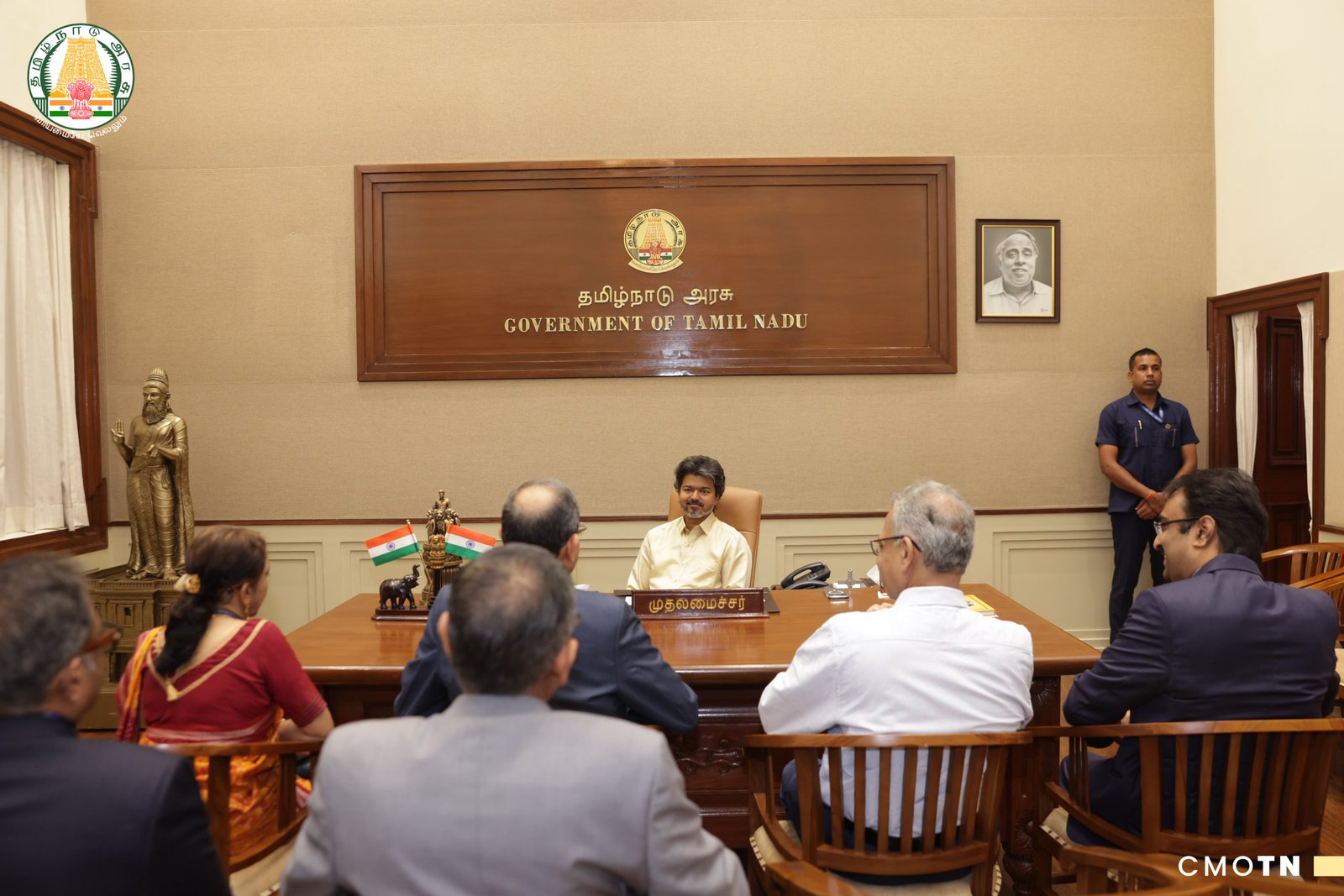
The borrowing figures have emerged more than 100 days after the Tamilaga Vettri Kazhagam (TVK) government assumed office and presented its first Budget in the Assembly. The administration had entered office amid expectations of changes in governance and financial management.
The widening revenue gap is now expected to intensify scrutiny of the government’s fiscal strategy. The key challenge before the administration will be to sustain welfare and development programmes while managing rising debt, interest obligations and the persistent revenue deficit.
Economists and policymakers are likely to closely monitor borrowing trends in the coming months, particularly whether higher revenues can keep pace with expenditure and reduce the State’s dependence on additional debt.