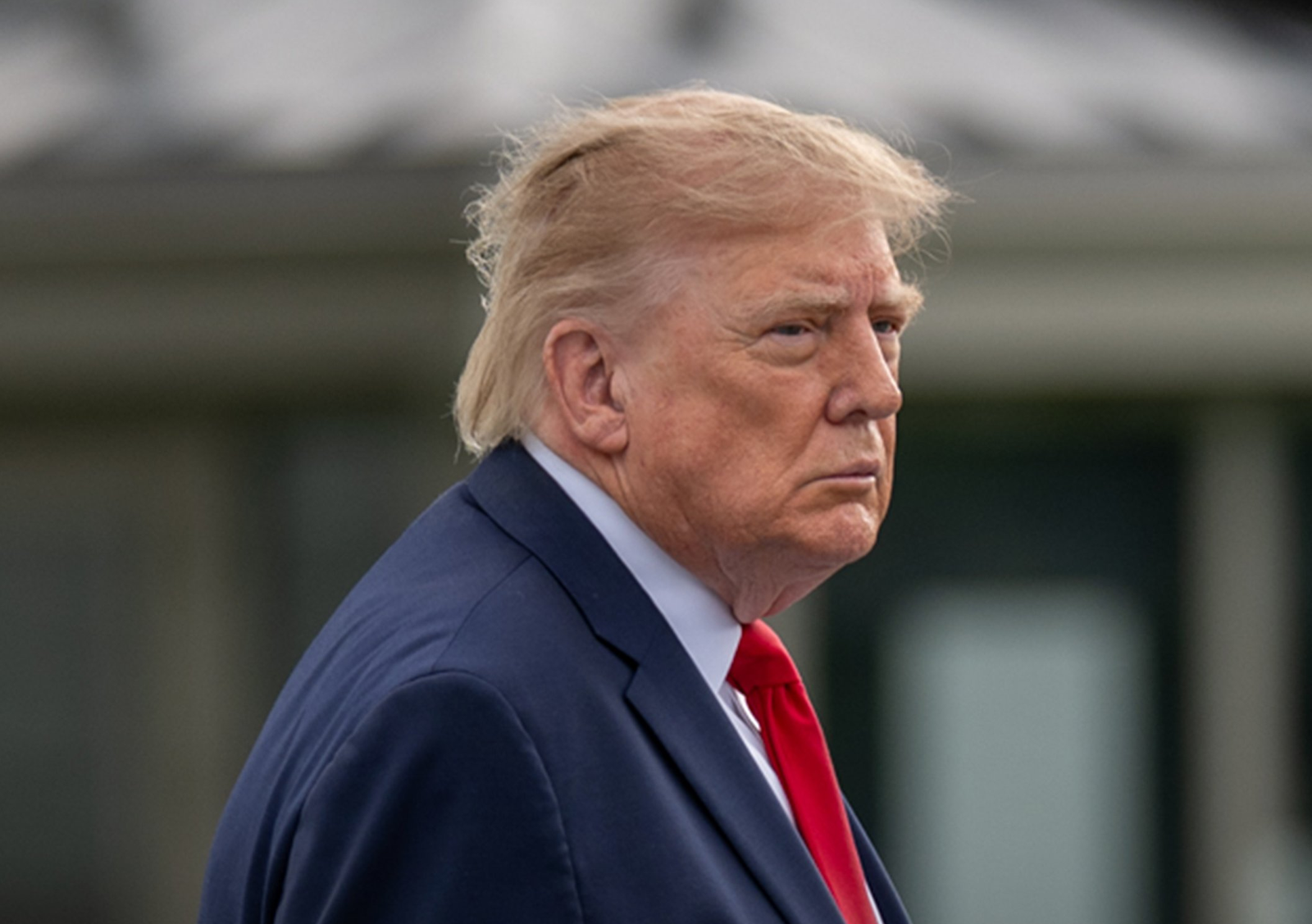
Washington, Aug 2026 : US President Donald Trump has postponed the planned 50 per cent tariff on Canadian goods for three days, saying Washington and Ottawa were close to reaching a broader trade agreement that could also result in lower duties on Canadian steel and aluminium.
Trump said the tariff, which was scheduled to take effect on Wednesday morning, was delayed at Canada’s request to provide negotiators additional time to finalise the details of the proposed agreement.
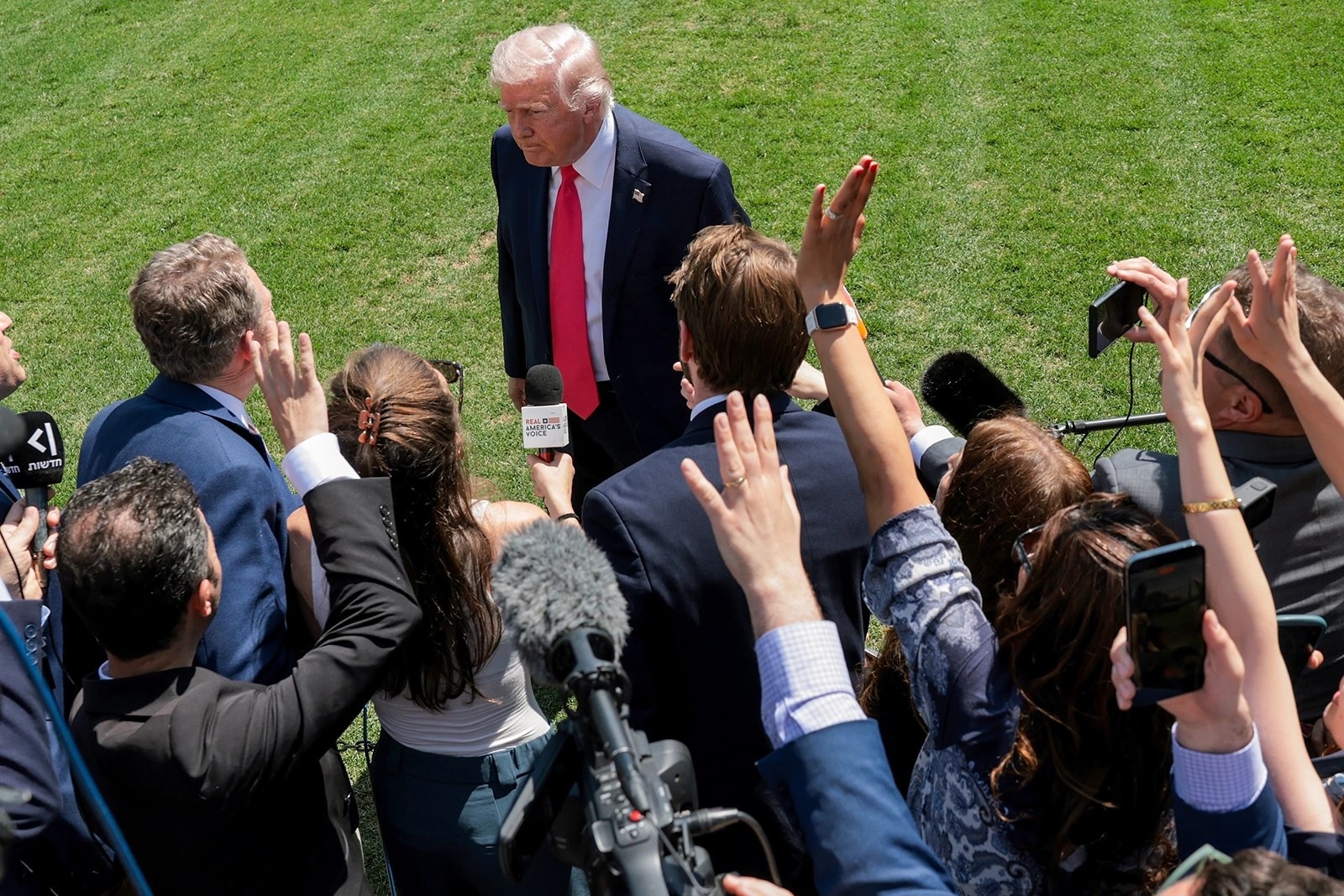
“We delayed it for three days because I think we have a deal with the Prime Minister and a good deal for everybody,” Trump told reporters at the White House.
The President said the United States had been prepared to impose a blanket 50 per cent tariff at 7 a.m., but agreed to temporarily hold off after the Canadian government requested additional time to conclude negotiations.
“It was supposed to be a 50 per cent straight across the board tariff that was going into effect at 7:00 this morning, and I delayed it at the request of Canada for three days so we can iron out the details,” Trump said.
He expressed optimism that the discussions would produce an agreement beneficial to both countries.
“But it's going to be a wonderful deal, hopefully a wonderful deal for everybody,” Trump added.
Trump did not identify the Canadian Prime Minister by name or disclose the specific provisions under negotiation. However, his remarks indicated that agriculture, steel and aluminium were among the key issues being discussed by the two governments.
Asked whether Washington was considering reducing tariffs on Canadian steel and aluminium, Trump said the administration was reviewing the possibility.
“Well, we're looking at that,” he said.
The President suggested that Canada could eventually receive tariff treatment similar to that provided to other US trading partners. He argued that Canadian products had previously been subject to comparatively high duties.
“We may bring some of the tariffs down to a level where other countries are because Canada was paying a higher tariff -- Canada was paying us a higher tariff,” Trump said.
Trump also focused on the impact of Canadian trade policies on American farmers, claiming that US agricultural producers had suffered because of existing trade arrangements.
“Well, we're getting zero for our farmers,” he said. “You know, farmers have been hurt very badly by Canada, and they won't be paying any tariffs anymore.”
It remained unclear exactly what Trump meant by the statement. His remarks did not establish whether Canadian markets would become completely tariff-free for American agricultural exports or whether the proposed agreement included another mechanism to provide relief to US farmers.
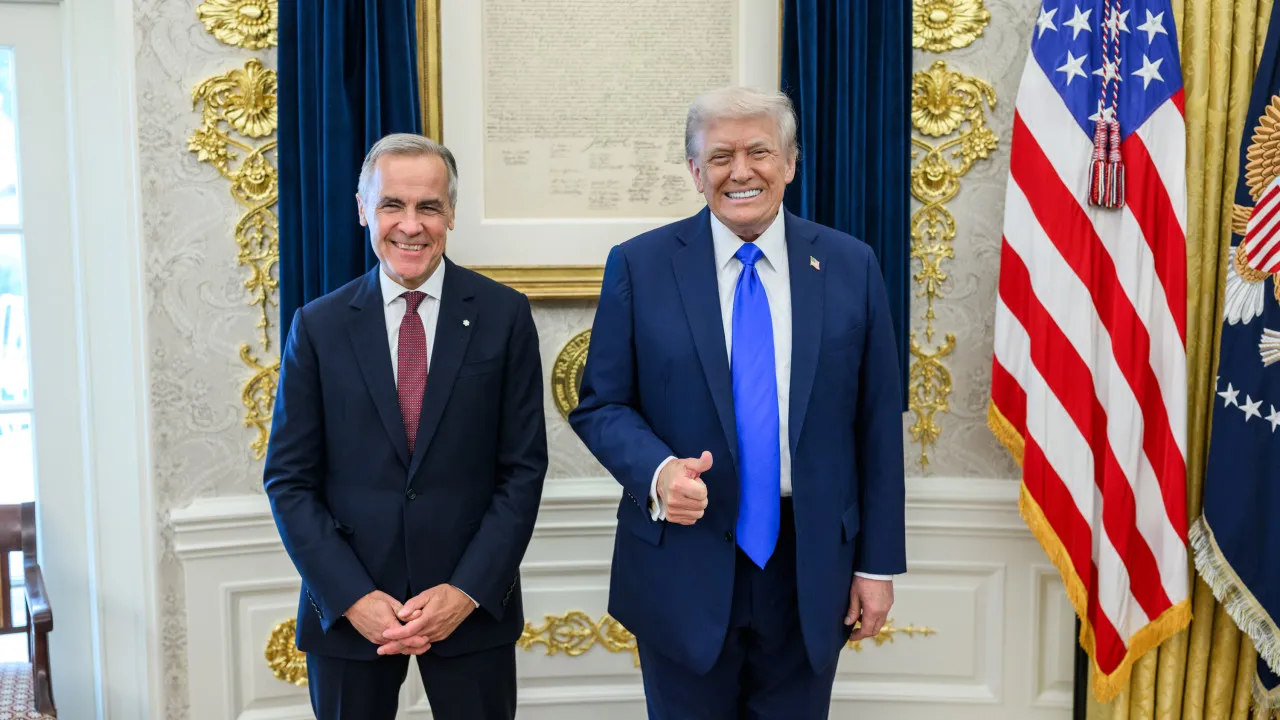
Despite the ongoing tariff dispute, Trump adopted a positive tone while describing the current relationship between Washington and Ottawa.
“Look, we have a very nice relationship with leadership right now, and we'll see,” he said.
The announcement came during a White House event attended by senior US regulators and executives from the technology, cryptocurrency and financial sectors. Trump had been discussing artificial intelligence and investment when he disclosed the decision to delay the tariff.
The President also used the occasion to highlight what he described as a growing trend of manufacturers shifting production into the United States from neighbouring countries.
“Honda just announced, Toyota just announced they're moving their operations from Mexico, from Canada, from other places,” Trump said.
The proposed tariff delay comes at a sensitive time for the closely integrated US-Canada economy. The two countries maintain one of the world's largest bilateral trading relationships, with supply chains spanning automobiles, agriculture, energy, manufacturing and industrial goods.
The automotive sector is particularly dependent on cross-border movement of vehicles, components and raw materials, while the US and Canadian economies are also closely linked through energy supplies and industrial production.
Steel and aluminium have remained recurring sources of friction between Washington and Ottawa, with tariff measures affecting manufacturers and other industries that rely on metals moving across the border.
Trump's decision to grant a three-day pause could therefore provide negotiators with an opportunity to resolve some of the outstanding differences before the proposed 50 per cent tariff comes into force.
The President's comments suggest that the administration is seeking an agreement that addresses US concerns over agricultural trade while potentially revisiting tariff levels on Canadian industrial products.
For Canada, avoiding the full tariff would provide relief to exporters and industries heavily dependent on access to the US market. For the United States, any agreement could help reduce disruption to integrated supply chains while addressing Trump's concerns over market access for American producers.
The three-day extension is now expected to be closely watched by businesses and investors on both sides of the border, as negotiators work to determine whether the emerging agreement can prevent another major escalation in the long-running US-Canada trade dispute.
(Disclaimer :The content of this article is sourced from a news agency and has not been edited by the Mavericknews30 team.)