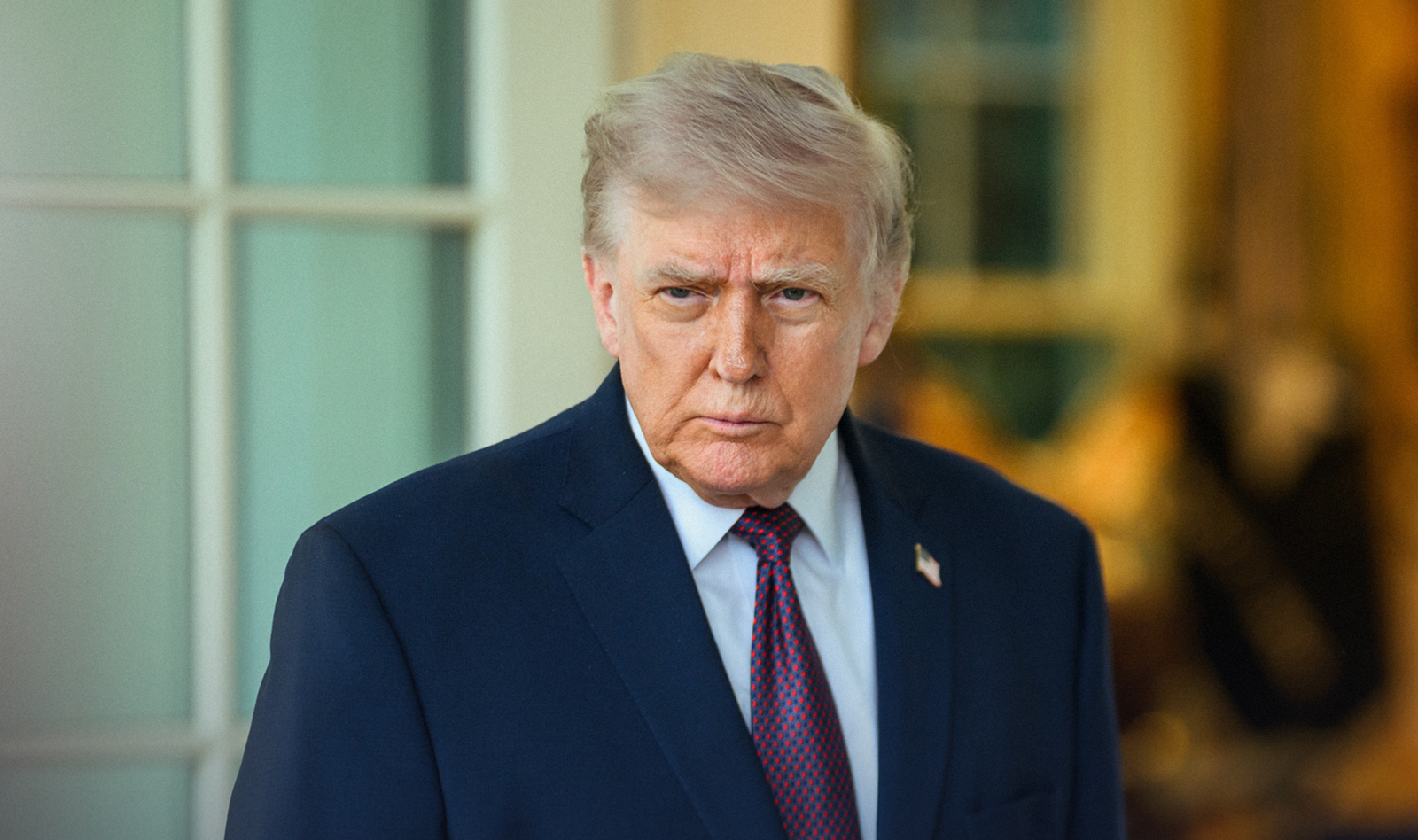
Washington, Aug 2026: US President Donald Trump has criticised South Korea for declining to assist Washington in efforts related to the Strait of Hormuz, while simultaneously questioning the need for large-scale joint military exercises aimed at deterring North Korea.
Trump’s remarks highlighted emerging differences between Washington and Seoul over the extent to which South Korea should contribute to US-led security initiatives beyond the Korean Peninsula, even as the two allies continue to coordinate their defence posture against Pyongyang.
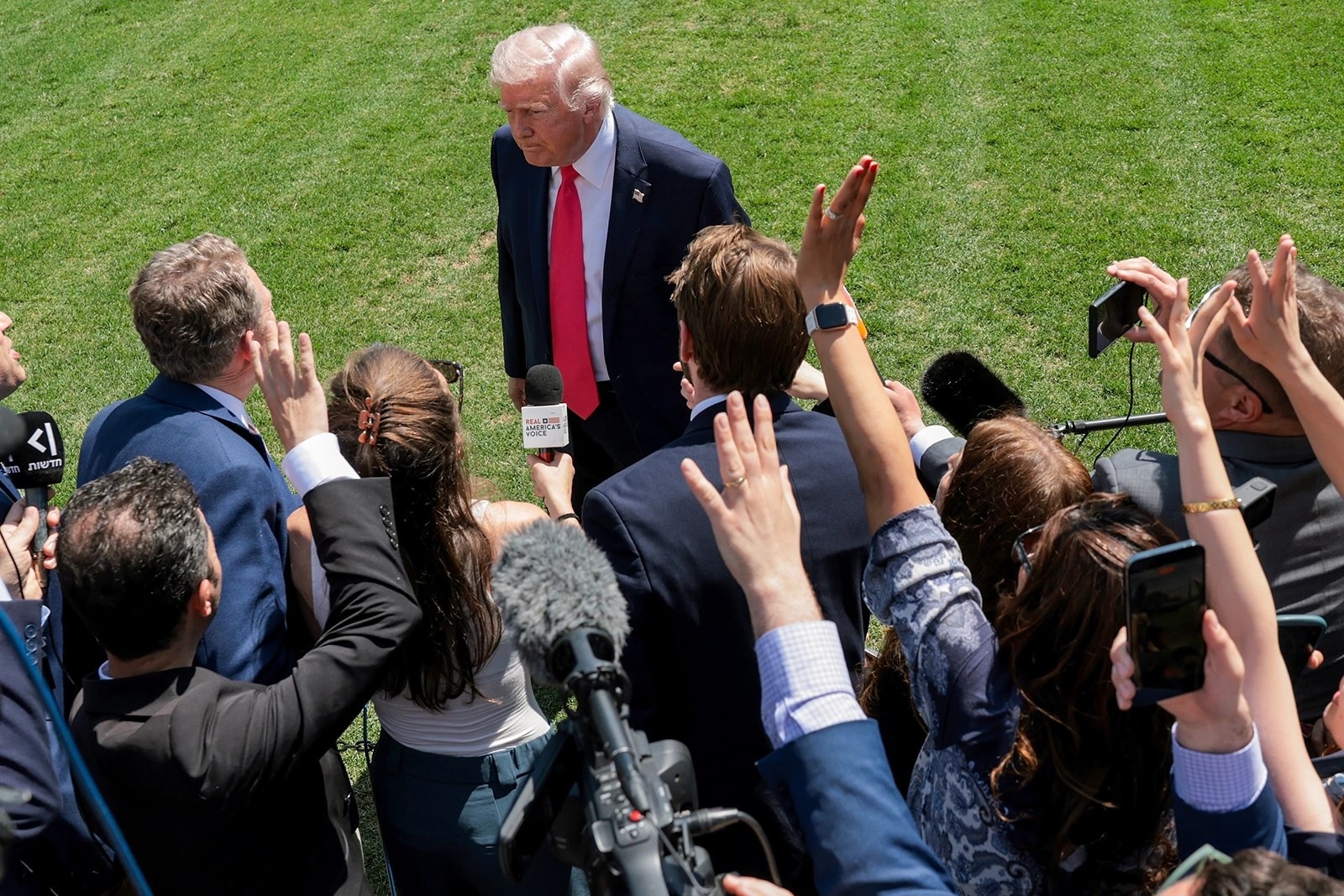
Speaking to reporters at the White House, Trump said he was unhappy with Seoul’s response when Washington sought assistance in securing the strategically vital waterway, through which South Korea receives a substantial share of its oil supplies.
“I was not happy when South Korea said, no, they’re not interested in helping us with the Hormuz Strait, and yet they get 60 per cent of their oil from the Hormuz Strait,” Trump said.
Recalling his interaction with South Korean officials, Trump said he had asked whether Seoul would assist the US, but received a negative response.
“I said, ‘Would you like to help us?’ He said, no, thank you. I said that’s nice, please, thank you,” Trump said.
The US President then connected South Korea’s position on the Strait of Hormuz with his objections to large-scale military exercises conducted by the US and South Korea on the Korean Peninsula.
Trump argued that such exercises could be viewed by North Korea as provocative, particularly at a time when he is seeking to maintain what he described as a positive relationship with North Korean leader Kim Jong-un.
“I felt that to do a massive -- we were doing a massive war exercise. I thought that was very insulting to somebody that frankly has been, during my term at least, very well-behaved,” Trump said.
Asked whether the complete denuclearisation of North Korea remained a US objective as Washington considers renewed engagement with Pyongyang, Trump declined to provide a direct answer.
“Well, I don’t want to talk about that, but I do have a good relationship with Kim Jong-un, as you know, you’ve seen,” he said.
Trump emphasised his personal relationship with the North Korean leader, contrasting it with Kim’s relationship with previous US presidents.
“He didn’t like Biden, he didn’t like Obama, he didn’t like anybody, but he likes me,” Trump said, recalling his previous meetings and interactions with Kim.
Trump argued that his personal rapport with the North Korean leader had contributed to regional security and claimed that the United States, Japan and South Korea were safer under his leadership.
“And I think our nation and I think other nations, frankly, whether it’s Japan or South Korea, they’re a lot safer if I’m President than if somebody else is President,” he said.
The President reiterated his opposition to what he described as massive military exercises directed at North Korea, arguing that such drills could unnecessarily heighten tensions.
“Now, I didn’t like the fact that we’re doing these massive military exercises really against North Korea,” Trump said, adding that the exercises were effectively preparations for a potential conflict.
Trump maintained that his relationship with Kim had reduced the immediate likelihood of confrontation. However, he did not provide details of any ongoing diplomatic engagement or indicate whether formal negotiations between Washington and Pyongyang were expected to resume.
“When I’m friendly with him, when we have -- I don’t see anything happening for certainly two and a half years,” Trump said, suggesting that tensions would remain contained during his presidency.
His comments came after Trump claimed that North Korea possesses around 57 nuclear weapons and continues to expand its nuclear programme. He did not provide supporting evidence or details for the estimate during the exchange.
The remarks come as Washington and Seoul adjust their military planning and diplomatic strategy toward Pyongyang, while broader US expectations of allied contributions to international security missions continue to evolve.
(Disclaimer :The content of this article is sourced from a news agency and has not been edited by the Mavericknews30 team.)